
Propagation
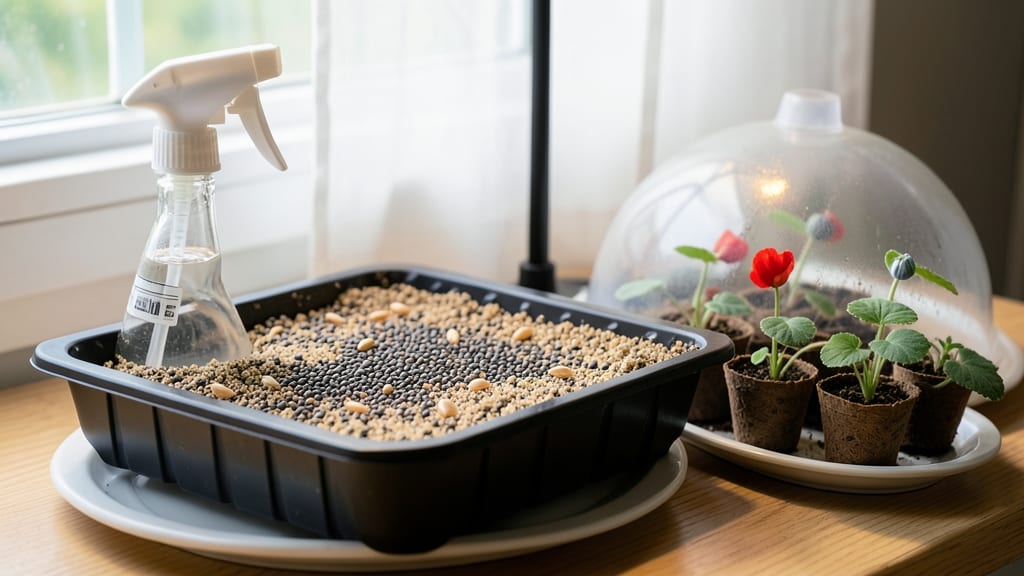
Growing poppies from seed indoors feels like cheating the system—those delicate blooms in just 8-10 weeks instead of months. 🌸 The trick isn’t complicated: it’s about warmth, light, and patience. I’ve grown poppies for years, and I’ll show you how to skip the slow germination struggles most beginners face.
You’ll need a seed-starting tray, 70-75°F soil, and a bright windowsill or grow light—no fancy equipment. Poppy seeds are tiny but tough; they just need consistent moisture and warmth to break dormancy. The first true leaves appear in 5-7 days, and that’s when the real magic starts.
Once seedlings have 2-3 sets of leaves, they’re ready to harden off before transplanting. The blooms? They’ll reward you with shockingly vibrant colors that last weeks longer than store-bought flowers. No flimsy stems here—these poppies stand tall.
Works for all poppy varieties, from Iceland poppies to opium poppies (non-narcotic types). Let’s get those seeds sprouting!
📚 In This Guide
- What you need
- Instructions
- Tips and common mistakes
- Wrapping up and next steps
What you need
- ● Poppy seeds: Choose high-quality, fresh seeds (e.g., Papaver somniferum or Papaver rhoeas). A small packet (0.1–0.5 oz) is plenty for indoor starts.
- ● Seed-starting trays or pots: 2–4" deep containers with drainage holes (biodegradable pots or cell trays work great). Aim for 1–2 seeds per cell or pot.
- ● Seed-starting mix: A lightweight, sterile mix (e.g., 50% peat moss + 50% perlite or coconut coir). Avoid garden soil—it’s too dense!
- ● Grow lights or sunny windowsill: Poppies need 12–16 hours of light daily. A full-spectrum LED grow light (e.g., 15–20W) is ideal if natural light is limited.
- ○ Heat mat (optional but helpful): A seedling heat mat (70–75°F) speeds up germination—critical for poppies, which thrive in warmth!
- ● Misting bottle or spray nozzle: Keeps seeds moist without drowning them. A fine-mist setting is key.
- ● Plastic wrap or humidity dome: Creates a mini greenhouse effect to retain moisture while seeds germinate.
- ● Fertilizer (after germination): A balanced, water-soluble fertilizer (e.g., 10-10-10) diluted to half-strength once true leaves appear.
- ● Humidity tray (a shallow tray with pebbles + water to boost moisture around seedlings).
- ● Tweezers (for delicate seed placement).
- ● Fungicide (e.g., neem oil or hydrogen peroxide spray) to prevent damping-off if humidity is high.
- ● Grow tent (if using artificial lights to contain warmth and light).
Step-by-step instructions for growing poppies from seed indoors
Here's the method I rely on to coax poppy seeds into strong seedlings—no patience required.
🌱 Step 1: Prepare Containers and Seed Starting Mix
Poppy seeds need loose, well-draining soil to prevent damping-off. Fill small pots or seed trays with a sterile seed-starting mix—never garden soil, which compacts and suffocates delicate roots. I press the mix lightly into the container so it's firm but not packed, then moisten it until it feels like a damp sponge. The key is even moisture without puddles.
Poppy seeds are tiny, so I use biodegradable peat pots (about 2 inches deep) to avoid disturbing roots later. Place a single pot on your work surface—you'll see why spacing matters next. Real talk: if you plant too many seeds per pot, you'll end up thinning seedlings, which poppies hate.
🌱 Step 2: Sow Seeds Shallowly and Cover Lightly
Poppy seeds need light to germinate, so don't bury them. Scatter seeds on the soil surface, spacing them about ½ inch apart—they're so small you'll need good eyes or a seed tray grid. Once scattered, press them very lightly into the soil with your fingertip or a popsicle stick. Just enough to make contact; any deeper and they'll rot.
Here's the trick: cover with a fine layer of vermiculite (about ⅛ inch thick) instead of soil. This keeps seeds in place while allowing light to penetrate. Mist the surface gently with water until the vermiculite looks uniformly damp but not soggy. You'll see tiny seeds peek through in 7-14 days—patience pays off here.
☀️ Step 3: Provide Warmth and Indirect Light Immediately
Poppy seeds germinate fastest at 70-75°F, so place your containers on a seedling heat mat or in a warm spot like on top of the fridge. Without warmth, germination can take 3-4 weeks instead of the usual 10-14 days. Check moisture daily—poppy seeds dry out fast, and you'll know it's time to water when the soil surface feels slightly dry to the touch.
Once sprouts appear, move them to bright, indirect light (south-facing window or grow light 4-6 inches away). Poppy seedlings are light-sensitive—direct sun now will scorch their tender leaves. You'll see the first true leaves (not the initial seed leaves) emerge in 2-3 weeks. This is your signal to start hardening off.
⏰ Step 4: Harden Off and Transplant Outdoors
Two weeks before your last frost date, begin hardening off seedlings. Place them outside in a sheltered spot for 1-2 hours the first day, gradually increasing time over 10-14 days. Poppies are frost-tolerant but prefer to acclimate slowly to prevent shock. Watch for wilting or yellowing—if you see it, bring them back inside for another day.
Transplant outdoors after all danger of frost has passed, choosing a sunny, well-drained spot. Poppies dislike root disturbance, so handle seedlings by their leaves (never the stems) and plant them at the same depth they were in pots. Space them 6-12 inches apart—closer for dwarf varieties, farther for tall ones. Water deeply at the base to encourage root growth.
🌿 Step 5: Maintain Through First Season
Poppies need minimal care once established. Water deeply but infrequently—aim for 1 inch of water per week—letting the soil dry between waterings. Overwatering causes rot, and poppies are tough enough to handle dry spells. You'll see blooms in 8-12 weeks from sowing, depending on variety.
Deadhead spent blooms to encourage more flowers, but leave some seed pods if you want next year's crop. Poppies self-seed readily, so you'll likely find volunteers popping up in unexpected spots. The reason this method works? Poppies thrive on neglect—give them light, warmth, and space, and they'll reward you with bold, cheerful blooms.
Tips & tricks for perfect indoor poppy germination
These little tricks will help you bypass the common pitfalls that turn impatient gardeners away from growing poppies indoors.
Heat Mat Hack: If you don't have a seedling heat mat, create your own by placing your pots on top of your refrigerator. The heat from the motor will maintain that critical 70-75°F range without extra equipment. Just be sure to check moisture daily—poppy seeds dry out faster in warmer environments. The key is keeping that soil consistently damp like a wrung-out sponge, not soggy.
Lighting Strategy: For those without south-facing windows, a simple LED grow light on a timer works wonders. Set it for 12-14 hours daily, positioned 4-6 inches above the seedlings. I've found that using a timer prevents over-lighting, which can stress delicate poppy seedlings. The goal is bright but indirect light—think dappled sunlight through tree leaves, not harsh midday sun.
Seed Spacing Secret: When sowing those tiny poppy seeds, use a toothpick to create small divots in the soil surface. Place just one seed in each divot and cover lightly with vermiculite. This ensures proper spacing without the guesswork of scattering seeds. Remember, poppies hate being crowded—they'll grow leggy and weak if you don't give them room to breathe right from the start.
Germination Timeline: Mark your calendar 7-14 days from sowing—this is when you'll see those first tiny sprouts emerge. If you don't see any by day 14, don't panic! Poppy seeds sometimes take their sweet time. The trick is patience—keep the soil warm and moist, and those seeds will eventually wake up. I've had batches germinate on day 21 that looked abandoned by day 10.
Pro Tips for Grow Poppies From Seed Indoors
- These little tricks will help you bypass the common pitfalls that turn impatient gardeners away from growing poppies ...
- Heat Mat Hack: If you don't have a seedling heat mat, create your own by placing your pots on top of your refrigerato...
- Lighting Strategy: For those without south-facing windows, a simple LED grow light on a timer works wonders. Set it f...
Frequently asked questions
Got questions about growing poppies from seed indoors? You’re not alone! Here are some of the most common concerns—and their easy solutions—to help you succeed with your poppy-growing journey.
How long does it take for poppy seeds to germinate indoors?
Poppy seeds are fast germinators! With the right warmth (70–75°F) and moisture, you’ll see sprouts in just 3–7 days. Keep the soil consistently damp (not soggy) and place trays under a grow light or in a sunny window. Patience pays off—tiny green shoots will surprise you!
Do poppy seeds need light to germinate, or can I keep them in the dark?
Poppy seeds don’t need light to germinate, but they do need warmth and moisture. You can start them in the dark for the first 5–7 days, then move them to bright light (12+ hours daily) once sprouts emerge. A seedling heat mat or warm spot (like on top of the fridge) speeds up germination without light.
Why aren’t my poppy seeds sprouting? Troubleshooting tips!
If your seeds aren’t sprouting, check these common culprits:
- Cold soil: Poppies love warmth—keep soil above 65°F (use a heat mat if needed).
- Too wet/dry: Soil should stay moist (like a damp sponge), not waterlogged or bone-dry.
- Old seeds: Poppy seeds lose viability after 1–2 years. Buy fresh seeds for best results.
- Depth issues: Plant seeds ¼ inch deep—burying them too deep can suffocate sprouts.
Can I grow poppies indoors year-round, or do they need a dormancy period?
Poppies thrive indoors year-round if you mimic their natural conditions! They don’t require dormancy, but providing 12+ hours of light daily (grow lights work great) and cooler temps (50–60°F at night) encourages strong growth. If grown indoors without dormancy, they’ll focus on flowering instead of bolting (shooting up too fast).
What’s the best indoor setup for poppies—regular pots or hydroponics?
Poppies are low-maintenance and adapt well to both:
- Soil-based: Use well-draining potting mix in 4–6 inch pots with drainage holes. Keep soil slightly moist but not soggy.
- Hydroponics: Possible, but poppies prefer soil. If using hydroponics, opt for a deep water culture (DWC) system with a neutral pH (6.0–7.0). Monitor nutrient levels closely—they’re light feeders!
Wrapping up and next steps
Growing poppies from seed indoors is a rewarding journey that combines a little patience with the right conditions—warmth, light, and consistent care. With the warmth-and-light trick, you’ll unlock faster germination and vibrant blooms in no time.
Now that you’re armed with the knowledge, why not plant those seeds today and watch your indoor garden transform?
Once your seedlings sprout, consider transplanting them outdoors (if your climate allows) or nurturing them indoors for a stunning display. Happy growing—your poppies are waiting to bloom! 🌸