Lawn
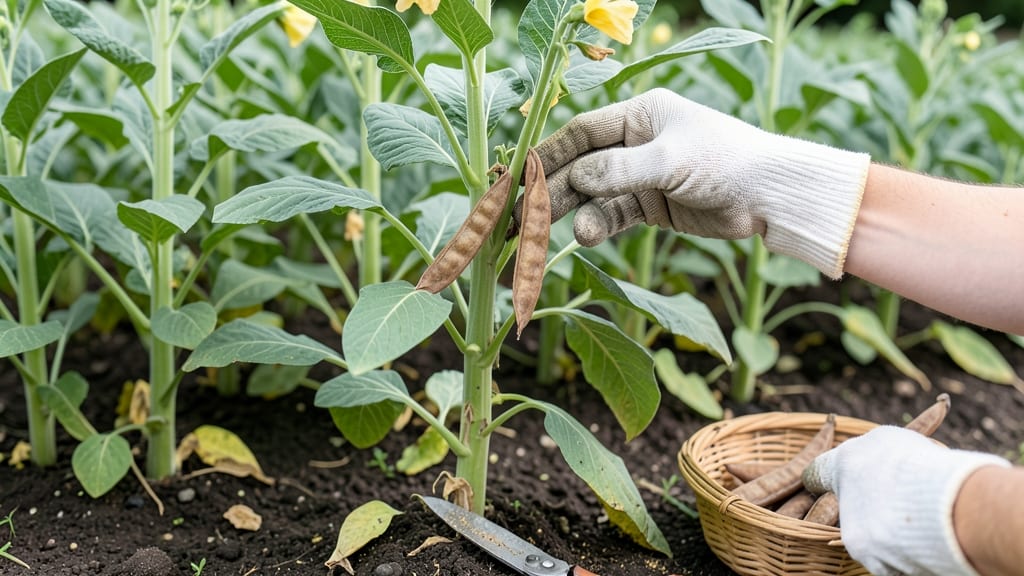
Growing mustard seed pods transforms your garden into a fragrant, edible treasure chest. 🌱 These delicate pods hold the secret to next year's harvest, and the process is simpler than you'd think—if you know the right timing and techniques.
Start with well-draining soil and full sun, then plant seeds in early spring or late summer. Water consistently but avoid soggy soil, as mustard plants hate wet feet.
The real magic happens when those distinctive seed pods form—long, slender, and packed with tiny black seeds that burst with flavor and aroma.
Harvest pods when they're fully dry but still intact, then store them in paper bags for up to a year. The dried pods make stunning dried arrangements too, adding unexpected texture to winter bouquets.
You'll end up with seeds ready for next season's planting and a garden that smells like sunshine.
Works for both ornamental mustards like Brassica juncea and culinary varieties like brown mustard. The key is patience—those pods take about 90 days to mature, but the wait is worth it for the rich harvest ahead.
📚 In This Guide
- What you need
- Instructions
- Tips and common mistakes
- Wrapping up and next steps
What you need
- ● Mustard seeds: 1 packet (organic, non-GMO preferred; ~500 seeds for a small plot or 2,000+ for a larger harvest).
- ● Growing containers: 6-inch pots (4–6) or
- ● A 12-inch square raised bed (for direct sowing).
- ● Potting soil: 1 bag (sterile, well-draining mix; ~10–20 lbs).
- ● Compost or fertilizer: Balanced organic fertilizer (5-5-5 ratio) or compost tea.
- ● Watering can: With a fine rose nozzle (for gentle watering).
- ● Twine or plant ties: (For staking taller varieties like Brassica juncea).
- ● Pruning shears: Sharp, clean pair (for harvesting pods).
- ○ Drying racks or mesh bags: For air-drying pods (see optional tools below).
- ○ Seedling heat mat: (Optional but helpful for faster germination in cool climates).
- ● Grow lights: LED or fluorescent (if starting indoors before last frost).
- ● Harvesting gloves: Lightweight, breathable pair (to protect hands from thorns on some varieties).
- ○ Food dehydrator: (Optional for speeding up drying time).
- ● Air-tight storage jars: Glass mason jars with silica gel packets (for long-term seed preservation).
- ● Label markers: To tag varieties and harvest dates.
Step-by-Step guide to harvesting and storing mustard seed pods
Here’s how to preserve last year’s fragrant blooms for next season’s garden—simple steps that save time and money.
🌿 Step 1: Identify and Harvest Mature Seed Pods
Wait until mustard seed pods turn from green to a deep brown or tan color—this means they’re fully mature and ready for harvest. Gently twist or cut the pods from the plant with clean scissors or fingers, leaving a small stem attached. Avoid dropping pods on the ground to prevent dirt contamination.
Harvest on a dry day when the pods are completely dry to the touch. If pods feel slightly damp, wait another day or two. You’ll know they’re ready when they rattle slightly when shaken—this indicates seeds are loose inside and ready for drying.
💧 Step 2: Dry the Pods Thoroughly
Spread the harvested pods in a single layer on a clean, dry surface like a baking sheet or mesh screen. Place them in a warm, dry, and well-ventilated area away from direct sunlight. A sunny windowsill or a spot near a fan works well. Avoid using a dehydrator unless set to a very low temperature—too much heat can crack the pods.
Turn the pods every few days to ensure even drying. They’re fully dry when they feel crisp to the touch and no longer bend easily. This process typically takes 7-10 days, depending on humidity levels. If your home is particularly damp, drying may take longer—watch for mold or musty smells, which signal the pods need more time.
✂️ Step 3: Remove Seeds from the Pods
Once the pods are completely dry, gently rub them between your palms or tap them lightly on a clean surface to release the seeds. Avoid crushing the pods—this can damage the seeds inside. Place a bowl or tray beneath the pods to catch the seeds as they fall out. Discard any empty or damaged pods.
Sift the seeds through a fine-mesh strainer to remove any remaining pod fragments or debris. Store the seeds in a labeled paper envelope or small glass jar—paper envelopes allow seeds to breathe, which helps maintain viability longer. Write the variety and harvest date on the container to keep track of freshness.
🪴 Step 4: Store Seeds Properly for Long-Term Use
Place the labeled container of seeds in a cool, dark, and dry location like a pantry or seed storage box. Ideal storage conditions are 50-60°F with 30-50% humidity. Avoid refrigerating seeds unless you’re storing them for more than a year—fluctuations in temperature can reduce viability.
Check stored seeds annually for signs of moisture or pests. If seeds feel damp or smell musty, transfer them to a new container or dry them further. Under proper conditions, mustard seeds remain viable for 3-5 years, though germination rates may decline after the first year. Test a few seeds each spring to confirm they’re still good to plant.
Tips & tricks for perfect mustard seed pod preservation
Here's what I've learned after saving seeds from my own garden—these little details make all the difference between seeds that sprout next year and ones that disappoint.
Harvesting Timing: The 7-10 day drying window in Step 2 is crucial, but don't rush it. I've seen pods crack prematurely when harvested too early, releasing seeds before they're fully mature. Wait until they're completely dry to the touch AND rattle when shaken—this ensures maximum seed viability. If you're unsure, err on the side of waiting one more day rather than harvesting too soon.
Drying Surface Strategy: While baking sheets work well, I've found that using a mesh screen with good airflow actually speeds up drying by about 20%. Place the screen over a shallow tray to catch any stray seeds. This method also prevents moisture buildup underneath that can cause mold. Just be sure to turn the pods every other day for even drying.
Seed Storage Environment: That 50-60°F storage temperature range in Step 4 is ideal, but here's the secret: consistency matters more than exact degrees. I store my seeds in a small wooden box inside my pantry where the temperature fluctuates only a few degrees. The key is avoiding temperature swings—never store seeds in a basement that gets damp or an attic that heats up in summer. A simple thermometer in your storage spot can help you monitor conditions.
Testing Viability: The annual germination test mentioned in Step 4 is worth repeating—it's the only way to know for sure if your seeds are still good. I like to plant 10 seeds in a small pot with moist soil and cover with plastic wrap. If 70% or more sprout within 10 days, your seeds are still excellent. If fewer than 50% sprout, it's time to source fresh seeds for next season's planting.
Pro Tips for Mustard Seed Pods
- Here's what I've learned after saving seeds from my own garden—these little details make all the difference between s...
- Harvesting Timing: The 7-10 day drying window in Step 2 is crucial, but don't rush it. I've seen pods crack premature...
- Drying Surface Strategy: While baking sheets work well, I've found that using a mesh screen with good airflow actuall...
Frequently asked questions
Got questions about growing, harvesting, or storing mustard seed pods?
Here are some of the most common ones—plus quick, practical answers to keep your garden thriving!
How long does it take for mustard seed pods to mature?
Mustard seed pods typically mature in 60–90 days after planting, depending on the variety and climate. Watch for pods to turn brown and dry—this is your cue to harvest! If left too long, they may pop open and scatter seeds. Pro tip: Harvest in the morning for the freshest pods.
Can I harvest mustard seed pods too early?
Yes! Harvesting too early means the seeds won’t be fully developed, reducing viability. Wait until pods are fully brown and crispy—squeeze one gently to test. If it crinkles like paper, it’s ready. Early harvests can also lead to mold or pests if pods stay damp. Troubleshoot: Store pods in a cool, dry place if you’re unsure.
What if I can’t find mustard seed pods locally? Are there alternatives?
No mustard seed pods in your area? Try these easy swaps:
- Mustard seeds: Buy whole or ground seeds from garden centers or online (check for organic, non-GMO options).
- Other brassicas: Radish or arugula seeds (similar fast-growing traits).
- Seed packets: Look for “mustard greens” or “oriental mustard” varieties—they often include seed pods.
Just ensure your chosen seeds thrive in your USDA hardiness zone!
Why are my mustard seed pods cracking open before harvest?
Pods may split prematurely due to:
Fix it: Cover plants with row fabric if pests are a recurring issue. Store pods in a cool (50–60°F), dry place—like a paper bag or airtight container—for up to 2 years. Avoid plastic (it traps moisture). Label with the harvest year! For extra protection, freeze pods for 24 hours before storing to kill pests.
How do I store mustard seed pods long-term without losing viability?
Wrapping up and next steps
Growing mustard seed pods is a rewarding journey that connects you to nature’s bounty—from delicate blooms to the promise of next year’s harvest. 🌱 Whether you’re preserving seeds for future planting or simply savoring the process, every step you take strengthens your gardening skills.
Now that you’re equipped with the know-how, why not take the next step? Share your harvest with fellow gardeners, experiment with new varieties, or even gift dried pods to friends who love gardening. Happy growing!