
Lawn
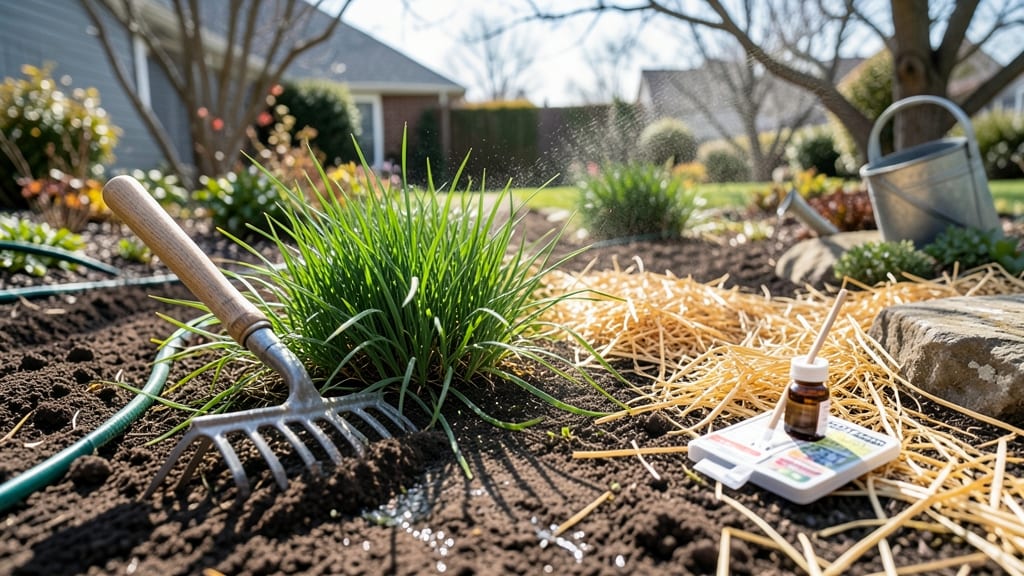
Will grass seed grow in the fall? Yes—it can thrive when planted right, as cooler temperatures actually help germination. 🌱 I’ve seen bare patches transform into lush lawns when sown in September or October, thanks to fewer weeds and ideal moisture. The key is timing: too early and weeds take over; too late and frost stops growth. Your soil should be at least 50°F and free of debris, with seeds just ¼-inch deep. Mulch lightly to protect seedlings while keeping them warm enough to sprout. Most cool-season grasses (like fescue and rye) germinate in 10-21 days under these conditions. The payoff? A stronger root system before winter, meaning spring greening happens faster than spring planting. Plus, fewer weeds compete for space, so your new grass gets the head start it needs. Works best in USDA Zones 5-8, but even Zone 3 gardeners can try it if they cover seeds early. Just watch the forecast—if frost is predicted within two weeks, wait until spring instead.
📚 In This Guide
- What you need
- Instructions
- Tips and common mistakes
- Wrapping up and next steps
What you need
- ● Grass seed: Choose a cool-season variety (e.g., Kentucky bluegrass, fescue, or ryegrass). Aim for 5–10 lbs per 500 sq ft, depending on your lawn’s condition.
- ● Lawn fertilizer: Select a slow-release, fall-specific blend (e.g., 30-0-4 or 24-0-12) with high phosphorus (P) to encourage root growth. Use ½–1 lb of nitrogen per 1,000 sq ft.
- ● Topsoil or compost: ¼–½ inch layer to improve seed-to-soil contact and nutrient availability.
- ○ Starter fertilizer (optional but helpful): A high-phosphorus, low-nitrogen blend (e.g., 10-20-10) to kickstart germination.
- ● Broadcast or drop spreader: For even seed distribution (calibrate for your seed type!).
- ● Rake (bow or stiff-bristle): To loosen soil and create a fine, firm seedbed (avoid over-tilling!).
- ○ Lawn roller (optional): Lightweight (50–100 lbs) to press seed into soil for better contact.
- ● Hose with gentle spray nozzle: For light, frequent watering (avoid heavy streams!).
- ● Garden gloves & knee pads: For comfort during prep work!
- ● Weather: Plant when daytime temps are 60–75°F and nighttime temps stay above 40°F (avoid frost!).
- ● Soil test: Check pH (6.0–7.0 ideal for most grasses). Adjust with lime or sulfur if needed.
- ● Lawn prep: Mow existing grass short (1–1.5 inches), remove debris, and repair bare spots.
- ● Water access: Ensure consistent moisture for 10–14 days post-planting.
Step-by-step instructions for fall grass seed germination
Fall planting works—here’s how to get grass seeds sprouting strong before winter.
🌱 Step 1: Choose the Right Grass Seed Variety
Cool-season grasses like tall fescue, Kentucky bluegrass, or ryegrass thrive when planted in fall. These varieties germinate best in 50-65°F soil temperatures, which occur naturally in late summer to early fall. Check the seed packet for "fall planting" recommendations—some blends are specifically formulated for cooler weather.
If your region has early frosts, opt for perennial ryegrass, which germinates fastest and holds soil until spring. I always double-check the first frost date in my area to time planting just 6-8 weeks before ground freezes. This gives seeds enough time to establish roots before winter slows growth.
☀️ Step 2: Prepare the Soil Before Planting
Test your soil’s pH—ideal for grass is 6.0-7.0. If it’s too acidic, add lime 4-6 weeks before planting. Rake the area to remove debris and loosen the top 2-3 inches of soil. Compacted soil prevents roots from penetrating deeply, which is critical for fall survival.
Lightly level the area with a rake, then drag a stiff broom across the soil to create a fine, crumbly texture. This mimics the natural seedbed conditions that help seeds make contact with moist soil. If your soil feels dry, water it 1-2 days before planting so moisture is ready for germination.
💧 Step 3: Plant Seeds at the Correct Depth and Water
Sprinkle seeds evenly over the prepared area—aim for 5-10 seeds per square inch, depending on the seed blend. Cover lightly with ¼ inch of soil using a rake or your hands. Pressing seeds too deep delays germination because they need light and warmth to sprout.
Water immediately after planting with a gentle spray or fine mist until the soil is evenly moist to a depth of 1 inch. Use a sprinkler with a low flow rate to avoid washing seeds away. Keep the soil consistently moist (not soggy) for the first 2-3 weeks—this is when most germination happens. You’ll see tiny green sprouts in 7-21 days, depending on temperature.
⏰ Step 4: Maintain Moisture and Protect New Growth
Fall’s unpredictable weather means you’ll need to monitor soil moisture closely. Water 2-3 times per week if rainfall is light, or daily if dry. The key is keeping the top ½ inch of soil damp—not drenched. Overwatering can rot seeds before they sprout, while underwatering stresses young roots.
Once seedlings reach 2-3 inches tall, gradually reduce watering to encourage deep root growth. If a hard frost is forecast, cover the area with straw or a light frost blanket to protect tender shoots. Remove the cover during the day if temperatures rise above 40°F to prevent mold.
🌿 Step 5: Mow and Fertilize for Spring Readiness
When grass reaches 3-4 inches tall, mow it to 2-3 inches to strengthen roots. Avoid removing more than ⅓ of the blade height at once—this prevents stress. In late fall, apply a slow-release fertilizer with a higher nitrogen content (like 24-0-4) to fuel root development over winter.
Leave grass clippings on the lawn—they decompose quickly and return nutrients to the soil. By spring, your fall-planted grass will be thicker and more drought-resistant than spring-planted grass because it established roots in cooler, moist conditions. The secret? Timing and consistency—don’t skip the moisture checks in those early weeks.
Tips & tricks for perfect fall grass germination
These practical strategies will help you maximize your fall grass planting success and avoid common pitfalls that can derail your lawn's growth.
Seed Selection Wisdom: When choosing your grass seed variety, pay close attention to the germination rate listed on the package. Perennial ryegrass typically germinates in 7-14 days, while tall fescue and Kentucky bluegrass may take up to 21 days. I always opt for blends that include perennial ryegrass when I have early frost concerns—it's the fast-track option for establishing a green lawn before winter sets in.
Soil Preparation Secret: The 4-6 week lime application window before planting is crucial for acidic soils. If you're short on time, consider using a quick-acting pelletized lime that dissolves faster than powdered lime. For the soil texture step, I've found that dragging a stiff broom across the soil creates the perfect seedbed—it mimics natural conditions where seeds make ideal contact with moist soil without being buried too deeply.
Watering Technique: That gentle spray or fine mist after planting isn't just about moisture—it's about protecting your seeds. I use a sprinkler with a low flow rate set on its lowest setting to create a light rain effect. This prevents seeds from being washed away while ensuring even moisture distribution. The key is maintaining that ½ inch of damp soil without creating puddles that could cause rot.
Frost Protection Strategy: When covering seedlings with straw or frost blankets, remember that ventilation is just as important as protection. If temperatures rise above 40°F during the day, remove the cover for a few hours to prevent mold growth. I keep a small thermometer handy to monitor daily temperature swings—this helps me decide when to cover and uncover without guessing.
Pro Tips for Will Grass Seed Grow In The Fall
- These practical strategies will help you maximize your fall grass planting success and avoid common pitfalls that can...
- Seed Selection Wisdom: When choosing your grass seed variety, pay close attention to the germination rate listed on t...
- Soil Preparation Secret: The 4-6 week lime application window before planting is crucial for acidic soils. If you're ...
Frequently asked questions
about fall grass seed germination—your quick answers!Can grass seed sprout in cold weather?
Yes! Many cool-season grasses (like fescue, ryegrass, and bluegrass) thrive in fall’s mild temps (50–65°F). They germinate slower in cold but still sprout—just give them time. Avoid planting when frost or hard freezes are forecasted.
How long does it take for fall grass seed to grow?
Germination typically takes 7–21 days in ideal fall conditions. Cool-season grasses may take longer (up to 30 days) if temperatures dip. Patience pays off—consistent moisture and proper prep speed up the process!
What’s the best grass seed for fall planting?
Opt for cool-season varieties like tall fescue, Kentucky bluegrass, or perennial ryegrass. They handle fall’s chill and establish strong roots before winter. Warm-season grasses (e.g., Bermuda, Zoysia) struggle in cooler temps—save them for spring/summer.
Do I need to water grass seed in the fall?
Keep soil consistently moist (not soggy) until germination. Water lightly daily (or every other day) for 10–15 minutes. Fall rains help, but droughts or dry spells may require extra care. Early morning watering works best.
Will grass seed survive winter after fall planting?
If planted 4–6 weeks before first frost, most cool-season grasses establish enough roots to survive winter. Mulch lightly (straw, not leaves) to protect seeds from harsh winds. Avoid planting too late—you want growth, not dormancy!
What if my grass seed doesn’t grow in the fall?
Don’t panic! Check soil moisture, sunlight (6+ hours/day), and seed depth (¼ inch max). If temps drop too fast, try a winter ryegrass cover crop for temporary protection. Spring replanting is always an option—but fall is prime time!
Wrapping up and next steps
Fall is absolutely the perfect time to sow grass seed—cool temperatures and shorter days create ideal conditions for strong germination and root growth. 🌱 With the right preparation, patience, and a few cold-hardy tips, you’ll be rewarded with a lush, resilient lawn come spring. Ready to take the next step?
🚀 Your Next Move
Start by testing your soil and gathering supplies, then mark your calendar for the optimal fall planting window in your region. Whether you’re a first-timer or a seasoned gardener, every healthy lawn begins with a single seed—so get out there and grow something amazing!