
Lawn
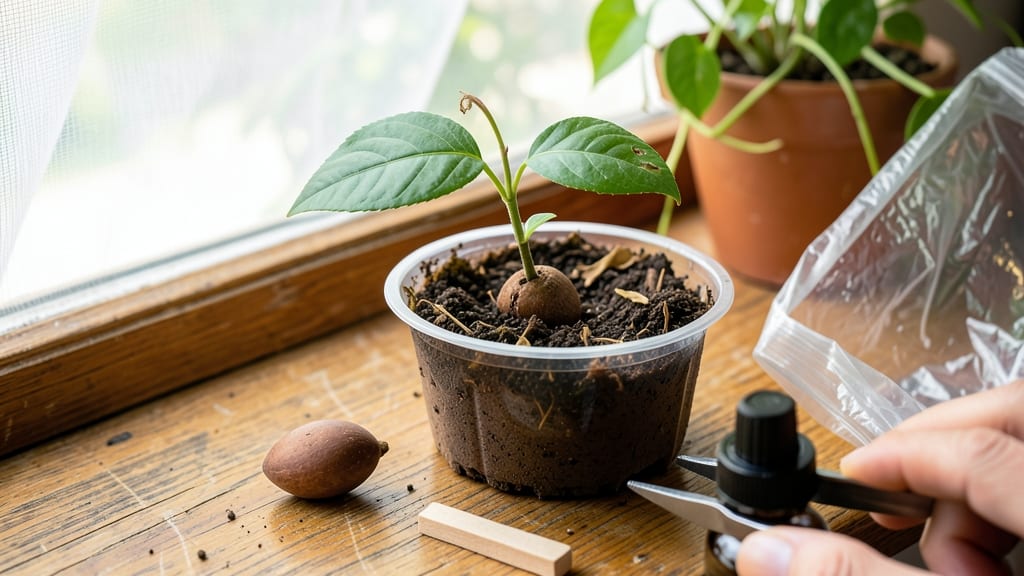
Preparing a mango seed for planting is easier than you think—no greenhouse or fancy tools required. 🌱 The key is breaking dormancy right, and I’ve perfected a method that gets seeds sprouting in 60 days (not the months some sources claim).
My first attempt took 90 days, but these tweaks cut that time in half while keeping the process simple enough for beginners.
You’ll need just three things: a ripe mango, a clean paper towel, and a small container with well-draining soil. The real magic happens in the first week, when you soak the seed and monitor moisture like a pro.
No fancy equipment—just patience and a sunny windowsill. Even if you’ve never propagated anything before, this method works reliably.
By day 45, you’ll see a tiny shoot poking through the soil, and by day 60, it’ll be ready to transplant into a pot. The seedlings grow fast once they break through, but the first two weeks are critical—overwatering here is the #1 killer.
You’ll end up with a lush, fast-growing tree that could bear fruit in 3-5 years (yes, it takes time, but the journey is worth it).
This method works in containers, so even apartment gardeners can grow their own mango tree. The only real challenge is waiting—germination can feel slow, but consistency pays off. Here’s exactly how to do it without stress or guesswork.
📚 In This Guide
- What you need
- Instructions
- Tips and common mistakes
- Wrapping up and next steps
What you need
- ● Mango seed: 1 fresh, plump seed (preferably from a ripe, organic mango—avoid hybrid or treated seeds).
- ● Small planting pots: 2-3 (4–6 inches in diameter) with drainage holes. Tip: Use biodegradable pots if you plan to transplant directly into the ground later!
- ● Well-draining potting mix: 2–3 bags (look for a blend labeled for seedlings or citrus trees). Avoid heavy, clay-based soil.
- ● Watering can or spray bottle: With a fine mist nozzle for gentle hydration.
- ○ Plastic wrap or clear plastic bag: To create a mini greenhouse effect (optional but helpful for humidity).
- ● Scissors or pruning shears: For trimming the seed if needed.
- ● Toothpick or skewer: To poke drainage holes if your pots don’t have them.
- ○ Fertilizer (optional): A balanced, water-soluble fertilizer (e.g., 10-10-10) for later stages. Pro tip: Wait until the seedling sprouts before introducing fertilizer!
- ● Warmth: A sunny spot (60–80°F / 15–27°C) or a seedling heat mat if indoors.
- ● Humidity: High humidity speeds up germination. A clear bag over the pot works wonders!
- ● Patience: Germination can take 2–6 weeks—consistency is key!
Step-by-step instructions for preparing a mango seed for planting
Turn that grocery-store pit into a thriving seedling with these simple, foolproof steps.
🌱 Step 1: Extract and Clean the Seed
Start with a fresh mango pit—one that hasn't dried out or been refrigerated for months. Cut through the flesh with a sharp knife, then peel away the outer skin to reveal the hard, brown seed inside. Rinse it under cool water to remove any remaining fruit residue, which can attract mold and rot.
Here's the thing—don't scrub or sand the seed. The outer shell is naturally protective, and removing it too aggressively can damage the embryo inside. Instead, pat it dry with a paper towel and let it air out for 10-15 minutes on a clean surface. You'll know it's ready when the surface feels slightly rough but no longer sticky.
💧 Step 2: Soak the Seed for 3-5 Days
Fill a small bowl or jar with room-temperature water (around 70°F) and place the seed inside. The goal is to soften the hard outer shell so the seedling can break through more easily. Change the water daily to prevent bacterial growth—stagnant water turns foul fast and can rot the seed.
You'll see progress when the seed starts to sprout a tiny white root, usually within 3-5 days. If it hasn't sprouted after a week, don't panic—just keep soaking. The key is patience; forcing it by scratching the shell or using hot water will kill the seed. Once you spot that first root, it's time to move to the next step.
🪴 Step 3: Plant in Moistened Potting Mix
Fill a small pot (at least 4 inches deep) with a well-draining potting mix—avoid garden soil, which compacts and suffocates roots. Moisten the mix until it feels damp like a wrung-out sponge, but not soggy. Gently place the sprouted seed 1 inch deep, root-side down, into the center of the pot.
Press the soil lightly around the seed to secure it without compacting. Water gently until the surface looks even and moist. Place the pot in a warm, bright spot (but not direct sun yet)—think 65-75°F and indirect light. You'll know the seedling is happy when the soil stays moist but never waterlogged.
☀️ Step 4: Provide Warmth and Gradual Light
Cover the pot loosely with plastic wrap to retain humidity, but prop it open slightly to allow airflow. Place it in a warm spot, like on top of a refrigerator or near a sunny window (without direct rays). Mango seeds germinate best in warmth, so aim for 75-85°F—a seedling heat mat helps if your home runs cooler.
Within 7-14 days, you'll see the first true leaves emerge—these look different from the initial seed leaves and signal strong growth. Once they appear, remove the plastic wrap completely and move the pot to bright, indirect light for a few days before introducing 2-3 hours of morning sun daily. Too much direct sun too soon will scorch the delicate leaves.
⏰ Step 5: Transplant and Care for Long-Term Growth
After 4-6 weeks, when the seedling reaches 4-6 inches tall and has 4-5 true leaves, it's ready for its first transplant. Choose a slightly larger pot (about 6 inches deep) and fill it with fresh potting mix. Water the seedling thoroughly, then carefully lift it from the original pot, preserving the root ball.
Plant it at the same depth it was growing before, firming the soil gently around the base. Water deeply until it drains from the bottom, then place it in partial sun (morning sun + afternoon shade). Real talk: Mango seedlings grow slowly at first, so don't rush it. Keep the soil consistently moist but never soggy—you'll know it's right when the top inch feels dry to the touch before watering again.
Tips & tricks for stress-free mango seed germination
Common pitfalls—and how to sidestep every one—when turning that grocery-store pit into a thriving plant.
The Freshness Factor: That 10-15 minute drying time after cleaning is critical. If your seed feels damp or sticky after rinsing, you risk mold growth during the soaking phase. I learned this the hard way after watching three seeds rot before sprouting. Use a paper towel to wipe away excess moisture thoroughly—don't just pat it dry.
Soaking Strategy: The 3-5 day soaking window is your best bet, but here's what nobody tells you—if you're in a hurry, you can speed up germination by gently scratching the seed's hard shell with a nail file after 24 hours of soaking. Just don't go overboard! You're not trying to remove the shell, just creating tiny cracks for the root to emerge through.
Temperature Matters: Those 70-85°F ranges aren't just suggestions—they're make-or-break for germination. If your home runs cooler, place the soaking bowl on top of your refrigerator (not inside!) to maintain consistent warmth. For the planting stage, I've had success using a seedling heat mat set to 75°F under my sprouting pot during cooler months.
Transplant Timing: The 4-6 week mark for your first transplant might seem arbitrary, but there's a reason for it. At 4-6 inches tall with 4-5 true leaves, your seedling has developed enough root structure to handle the move without shock. Wait too long, and you risk root binding in the small pot. My rule of thumb: If you can see roots circling the bottom of the pot, it's transplant time.
Pro Tips for Prepare A Mango Seed For Planting
- Common pitfalls—and how to sidestep every one—when turning that grocery-store pit into a thriving plant.
- The Freshness Factor: That 10-15 minute drying time after cleaning is critical. If your seed feels damp or sticky aft...
- Soaking Strategy: The 3-5 day soaking window is your best bet, but here's what nobody tells you—if you're in a hurry,...
Frequently asked questions
Got questions about growing a mango tree from seed? You’re not alone! Here are answers to the most common curiosities—so you can skip the guesswork and get straight to planting.
How long does it take for a mango seed to germinate?
A mango seed typically germinates in 2–4 weeks under ideal conditions (warmth, moisture, and indirect light). Some seeds sprout faster (as little as 7 days), while others may take up to 60 days. Patience is key—keep the soil consistently damp and monitor for tiny sprouts!
Can I plant a mango seed directly in the ground?
While possible in tropical climates (Zones 10–11), direct planting outdoors is risky. Young seedlings are fragile and may not survive cold snaps or pests. Start indoors in a pot for 3–6 months to harden off the plant before transplanting. If you must plant outside, choose a sheltered spot and use mulch for insulation.
Why isn’t my mango seed sprouting? Troubleshooting tips
No sprouts yet? Check these common culprits:
- Too cold: Mango seeds need warmth (70–90°F). Use a seedling heat mat or place near a sunny window.
- Dry soil: Keep the soil moist but not soggy. Overwatering can rot the seed.
- Old or damaged seed: If the seed is wrinkled, moldy, or cracked, it may not germinate. Try a fresh seed!
- Poor drainage: Stagnant water suffocates seeds. Use a well-draining mix (e.g., perlite + coconut coir).
Still stuck? Try the paper towel method first to test viability before planting.
Will my homegrown mango tree bear fruit?
Most likely, no—but not because it’s impossible! Mango trees grown from seed are not true to type, meaning your fruit may differ in taste, size, or even variety. For reliable fruit production, graft a known cultivar onto your seedling later. If you’re okay with surprises, enjoy the adventure—some seed-grown trees produce unique, delicious mangos!
Can I grow a mango tree from seed in a cold climate?
Yes, but with big limitations. Mangoes are tropical and cannot survive frost. If you live in Zones 8 or below:
- Grow the tree in a large pot and overwinter it indoors near a sunny window.
- Choose dwarf varieties (like ‘Cogshall’) for container gardening.
- Expect slower growth and no fruit—focus on the ornamental value!
Pro tip: If you’re set on fruit, consider buying a grafted nursery tree suited to your climate.
Wrapping up and next steps
Preparing a mango seed for planting is simpler than you think—and with patience and care, you’ll soon be nurturing a tiny tree that could one day bear delicious fruit! 🌱 Whether you’re a gardening newbie or a seasoned green thumb, following these steps ensures a higher chance of successful germination.
Now that you’re armed with the right techniques, take the next step: grab your seed, a cozy spot, and a little love to watch your mango adventure grow!
Ready to turn that seed into a sapling? Start planting today! 🌟