
Lawn
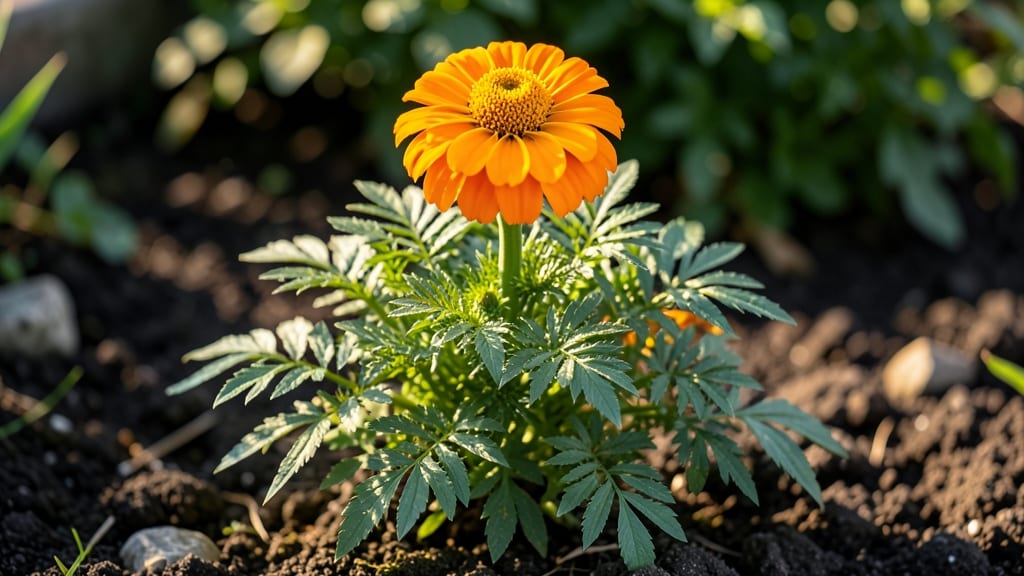
Growing American seed marigolds turns your garden into a pest-repelling, sun-drenched paradise. 🌻 These fiery orange bloomers thrive with minimal fuss—just the right soil, a sunny spot, and consistent watering.
I’ve grown them every year for five seasons, and they never fail to deliver bold color while keeping aphids and nematodes at bay.
The secret lies in their love for well-draining soil and full sun—plant them in spring after the last frost, about ¼ inch deep, with 12-18 inches between seeds.
They’re drought-tolerant once established but reward regular watering with nonstop blooms from summer to frost. A light feeding with balanced fertilizer in early summer keeps them flourishing.
By midsummer, your marigolds will be a vibrant border or companion plant, their scent deterring pests while attracting pollinators. Deadhead spent blooms to encourage more flowers, and save seeds for next year—they’re easy to collect and store.
Just watch for powdery mildew in humid climates and space them well for airflow.
Perfect for beginner-friendly gardens, containers, or pollinator plots. These marigolds are the ultimate low-maintenance star—just plant, water, and enjoy the show. Ready to transform your space with their sunny charm?
📚 In This Guide
- What you need
- Instructions
- Tips and common mistakes
- Wrapping up and next steps
What you need
- ● Seeds: American Seed Marigold seeds (1–2 oz packet covers ~100 plants). Look for heirloom varieties like 'Jingle Bells' or 'Crackerjack' for vibrant colors!
- ● Potting Soil: Well-draining, sterile mix (5–10 gallons). Add perlite or sand (20% volume) if your soil is heavy.
- ● Containers or Garden Bed: Containers: 6–8" pots (1–2 plants per pot) or 12" pots (3–4 plants per pot). Ensure drainage holes!
- ● Garden Bed: Full sun (6+ hours/day) and loose, fertile soil (pH 6.0–7.0). Amend with compost (1–2 inches).
- ● Watering Can or Hose: With a gentle spray nozzle for seedlings.
- ● Fertilizer: Balanced, water-soluble (10-10-10 or 5-5-5) or organic options like fish emulsion (diluted to half-strength).
- ● Plant Labels: Biodegradable markers to track varieties.
- ● Seedling trays (for starting indoors) with clear domes or plastic wrap.
- ● Gloves (to protect from prickly stems or soil-borne pathogens).
- ● Pruning shears (for deadheading or shaping plants).
- ● Mulch (straw or shredded leaves) to retain moisture and suppress weeds.
- ● Row covers (lightweight fabric) if planting early in cool climates.
- ● Last frost date for your zone (marigolds thrive in warm weather—wait until soil is at least 60°F).
- ● Patience! From seed to bloom takes 60–75 days in ideal conditions.
- ○ Optional: A sunny windowsill or grow lights (if starting seeds indoors 4–6 weeks before transplanting).
Step-by-Step instructions for growing American seed marigolds
Here's how to cultivate vibrant, pest-repelling marigolds that thrive from seed to full bloom.
🌱 Step 1: Start Seeds Indoors 6-8 Weeks Before Last Frost
Fill small seed trays with a sterile seed-starting mix—marigolds despise compacted soil. Press the mix down lightly, then scatter seeds ¼ inch deep in rows spaced 1 inch apart. I like to use a toothpick to create tiny furrows for precision. Cover with a fine layer of additional mix, just enough to obscure the seeds.
Keep the trays in a warm spot (70-75°F) until germination, which typically occurs in 7-14 days. A seedling heat mat speeds this along, but even a sunny windowsill works if you're patient. Mist the soil daily with a spray bottle to maintain even moisture—never let it dry out completely, but avoid soggy conditions that invite damping-off.
☀️ Step 2: Harden Off and Transplant After True Leaves Emerge
Once seedlings develop first true leaves (the second set after the initial cotyledons), it's time to harden them off. Move trays outside for 1-2 hours daily, gradually increasing exposure over 7-10 days. Watch for leggy stems—a sign they need more light. If this happens, supplement with a grow light positioned 2-3 inches above the plants.
Transplant seedlings outdoors 2 weeks before your last frost date, spacing them 12-18 inches apart in full sun. Dig holes slightly deeper than the root ball and firm soil around the base. Marigolds establish quickly, but mulch lightly with straw or shredded leaves to retain moisture and suppress weeds. I always water deeply right after planting to encourage root spread.
💧 Step 3: Maintain Soil Moisture and Fertility for Continuous Blooms
Marigolds thrive in well-draining soil with a pH of 6.0-7.0. Water at the base 1-2 inches deep whenever the top 1-2 inches of soil feel dry—they tolerate drought better than soggy roots. Overhead watering can cause mildew, so always water in the morning to allow foliage to dry.
Feed plants every 3-4 weeks with a balanced liquid fertilizer (10-10-10) diluted to half strength. I skip fertilizer after mid-summer to prevent leggy growth. Deadhead spent blooms regularly to encourage more flowers—pinch off flowers just as they begin to fade. This simple step keeps marigolds blooming until frost.
✂️ Step 4: Prevent Pest Issues and Extend the Season
American marigolds naturally repel pests like nematodes, aphids, and even rabbits, but they need support to perform at their best. Plant them near tomatoes, peppers, or French marigolds for maximum pest control. If you notice yellowing leaves, it’s often a sign of overwatering—marigolds prefer slightly dry conditions.
To extend the season, cut back plants by one-third after the first frost. The new growth often produces a second flush of blooms before winter. Save seeds from the strongest plants by allowing a few flowers to mature fully—marigold seeds are easy to collect and store for next year.
Tips & tricks for growing American seed marigolds
Here's what I've learned after growing these vibrant blooms for years—the little details that make all the difference.
Seed Starting Precision: When creating those ¼-inch-deep furrows in Step 1, use a toothpick to make clean lines—this prevents seeds from being buried too deeply, which can delay germination. I've found that pressing the mix down just enough to hold the seeds in place (without compacting) gives the best results. The 1-inch spacing between rows also matters: it gives roots room to establish without competing for nutrients.
Germination Environment: The 70-75°F temperature range in Step 1 is critical—any cooler and germination slows dramatically. I've had success using a simple seedling heat mat under my trays, but a sunny windowsill works if you're patient. The key is consistency: keep that soil evenly moist (not soggy) with daily misting. I've ruined batches by letting them dry out completely between waterings—don't make my mistake!
Harden Off Gradually: The 1-2 hour daily outdoor exposure in Step 2 should increase by 30 minutes each day. Watch for those leggy stems—they're your warning sign that the seedlings need more light. If this happens, supplement with a grow light 2-3 inches above the plants for 12-14 hours daily. I've seen seedlings stretch to 6 inches tall when they need light, making them weak and prone to breaking during transplant.
Transplanting Technique: When transplanting outdoors 2 weeks before your last frost, dig holes slightly deeper than the root ball—this encourages stronger root growth. The 12-18 inch spacing might seem generous, but it prevents overcrowding that leads to mildew. After planting, water deeply to settle the soil and encourage roots to spread outward rather than staying compacted in the hole.
Pro Tips for American Seed Marigold
- Here's what I've learned after growing these vibrant blooms for years—the little details that make all the difference.
- Seed Starting Precision: When creating those ¼-inch-deep furrows in Step 1, use a toothpick to make clean lines—this ...
- Germination Environment: The 70-75°F temperature range in Step 1 is critical—any cooler and germination slows dramati...
Frequently asked questions
When is the best time to plant American Seed Marigold seeds?
Plant seeds 2–3 weeks after your last frost date when soil temperatures reach at least 60°F (15°C). For warmer climates, sow seeds in early spring or late summer to avoid heat stress. Direct-sow seeds ½ inch deep—they germinate best in full sun with well-draining soil. Pro tip: Use a seedling heat mat if nights are still chilly!
How long does it take for American Seed Marigold to bloom?
Expect blooms 6–8 weeks after planting, but patience pays off! Seedlings may take 7–14 days to germinate, then 4–6 weeks to mature into robust plants. For faster results, opt for transplants (available at nurseries), which bloom 2–3 weeks earlier. Bonus: Deadhead spent flowers to encourage nonstop blooms all season!
Do American Seed Marigolds really repel pests like mosquitoes and nematodes?
Absolutely!
These marigolds release alpha-terthienyl, a natural nematicide that deters nematodes, aphids, and even rabbits. Plant them near vegetables, herbs, or roses for a pest-free zone. For extra protection, interplant with basil or garlic. Warning: While they repel many pests, they won’t stop slugs—use beer traps or diatomaceous earth if needed.
Can I grow American Seed Marigold in containers? If so, what size pot do I need?
Yes! They thrive in 5–7 inch diameter containers with drainage holes. Use a lightweight potting mix and place pots in full sun (6+ hours/day). For bushier growth, choose wider pots (10+ inches) and plant 2–3 seeds per container. Key: Water consistently—containers dry out faster than garden beds!
Why aren’t my American Seed Marigold plants blooming?
Common culprits: overcrowding (thin seedlings to 12 inches apart), poor sunlight (they need 6+ hours of direct sun), or excess nitrogen (use a balanced 10-10-10 fertilizer instead). Check for pests (like spider mites) and ensure soil isn’t waterlogged. Try this: Prune leggy stems to encourage bushier, flower-heavy growth!
What’s a good alternative if I can’t grow American Seed Marigold?
Try these pest-repelling, low-maintenance bloomers:
- French Marigold – Larger flowers, stronger pest deterrent.
- Calendula – Edible, edging-friendly, and nematode-resistant.
- Cosmos – Drought-tolerant and attracts pollinators.
- Basil – Dual-purpose herb that repels mosquitoes.
Wrapping up and next steps
Growing American Seed Marigolds is a rewarding way to add vibrant color to your garden while keeping pests at bay naturally! 🌼 With the right soil, sunlight, and care, these hardy plants will thrive and reward you with bold blooms all season long. Now that you’re equipped with the knowledge, why not grab those seeds and start planting? Your garden—and your local pollinators—will thank you!
🌱 Next Steps:
- Pick your seeds and mark your calendar for the best planting time in your zone.
- Test your soil and prep your garden beds for marigold success.
- Watch them grow! Share your progress (and blooms!) with fellow gardeners.