Lawn
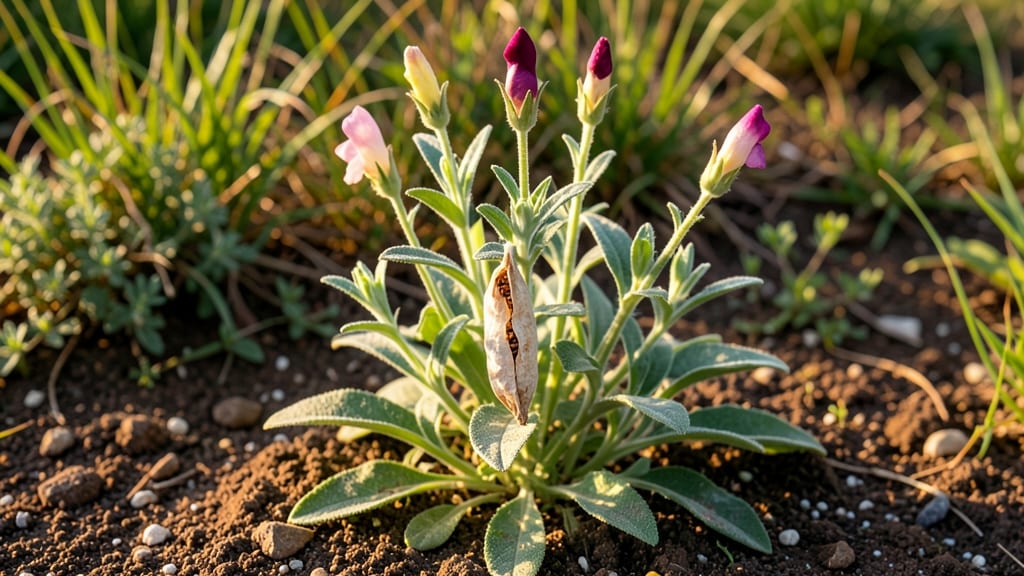
Harvesting snapdragon seed pods before they shatter is the key to saving seeds that actually grow. 🌱 I’ve learned the hard way—when those pods pop open too soon, you’re left with scattered seeds and empty dreams.
The trick lies in timing, technique, and a little patience to coax the plants into cooperating.
You’ll need just a few things: sharp scissors or pruners, paper bags for drying, and a dry, shady spot to let the pods finish maturing. The best time to harvest is when the pods turn brown and start splitting open—usually 4-6 weeks after flowering.
Cut the pods just as they begin to crack, not before, to ensure the seeds inside are fully developed.
Once harvested, lay the pods on newspaper in a single layer and let them dry completely for 1-2 weeks. The seeds will rattle inside when ready—this is your cue to gently crush the pods and collect the tiny, wrinkled seeds.
Store them in an airtight container in a cool, dark place for up to 2 years, though fresh seeds germinate best.
Common challenges like shattering or poor seed viability often come down to moisture or overripe pods. If your plants struggle to set seed, try deadheading spent blooms to encourage more flowers—or let a few go to seed naturally.
A little trial and error will help you perfect the process for next season.
📚 In This Guide
- What you need
- Instructions
- Tips and common mistakes
- Wrapping up and next steps
What you need
- ● Snapdragon plants (mature, with fully developed seed pods—preferably Antirrhinum majus varieties).
- ● Sharp pruning shears or scissors (sterilized to prevent disease spread).
- ● Brown paper bags or breathable mesh bags (1–2 per plant, or a single large bag for bulk harvest).
- ● Newspaper or cardboard (for drying pods indoors).
- ● Rubbing alcohol (70% or higher) and cotton swabs (for sterilizing tools).
- ● Small paintbrush or toothpick (for gently extracting seeds from pods).
- ● Air-dry environment (well-ventilated area, indoors or outdoors, with low humidity).
- ● Seed envelope or labeled jars (for storing seeds long-term).
- ● Fine-mesh sieve (to separate seeds from chaff).
- ● Humidity pack or silica gel (to speed up drying in damp climates).
- ● Gloves (if handling large quantities to avoid skin irritation).
- ● Camera or notebook (to document pod stages for future reference).
How to harvest snapdragon seed pods without breaking them
Here's how I collect high-quality seeds every year—no more crushed pods or wasted effort.
🌿 Step 1: Wait for Pods to Fully Ripen
Harvest snapdragon seed pods only when they've turned a deep brown and begin to split open naturally. This usually happens 8-10 weeks after flowering, but check daily in late summer—pods ripen fastest in warm, dry conditions. You'll see the top of the pod start to crack open slightly, revealing tiny seeds inside.
Don't rush it. Green or partially brown pods contain immature seeds that won't germinate. I always wait until at least 50% of the pods on a plant show these signs before starting harvests. If you pick too early, you'll end up with weak, non-viable seeds that won't grow next season.
✂️ Step 2: Cut Pods Carefully at the Base
Use clean, sharp scissors or pruning shears to snip the pods directly at the stem base. This prevents damage to the plant and makes handling easier. I like to work on a dry, sunny morning when the pods are firm and less likely to crumble when touched.
Be gentle—snapdragon pods are delicate. If you twist or pull, you'll crush the seeds inside. Place harvested pods in a paper bag (not plastic) to allow airflow while they finish drying. Label each bag with the variety name and harvest date right away—I've learned the hard way that mixed seeds create confusion later.
🪴 Step 3: Dry Pods Completely Before Handling
Spread the pods out in a single layer on a screen or mesh tray in a warm, dry location (around 70-75°F). Keep them out of direct sunlight to prevent overheating. Complete drying takes 7-10 days, but you'll know they're ready when the pods are completely dry and papery to the touch.
Here's the thing—if you try to open pods too soon, the seeds will still be damp and moldy. I test readiness by gently squeezing a pod between my fingers. If it crumbles easily and releases seeds with minimal pressure, it's ready. Store dried pods in a cool, dark place until you're ready to extract the seeds.
🌱 Step 4: Extract Seeds Gently
Once fully dry, place a pod between your palms and squeeze firmly but carefully. The pod should open naturally, releasing seeds into your hand. If it resists, you may have dried it too long—just crush it gently with your fingers. I always work over a white paper towel to make seed collection easier and spot any debris.
Remove any remaining pod fragments or chaff by winnowing—simply hold the seeds in one hand and let them fall through your fingers while tilting them toward a light breeze. The empty chaff will blow away, leaving clean seeds behind. Store viable seeds in a sealed envelope in the freezer for up to 5 years to maintain germination rates.
Tips & tricks for perfect snapdragon seed harvesting
These little tricks will help you collect pristine seeds without the frustration of crushed pods or wasted effort.
Ripening Check: Look for that telltale "crack" at the top of the pod—the first sign it's ready for harvest. I always run my thumb along the seam of 3-4 pods to test readiness. If they open slightly with gentle pressure, you're golden! The 8-10 week window is crucial, but don't stress if your climate varies—just watch for that deep brown color and natural cracking.
Timing Secret: That dry, sunny morning timing in Step 2 makes all the difference. Dew-damp pods are 3x more likely to crumble when cut. I've ruined batches by harvesting after rain—wait for that crisp, dry feel before touching them. And here's what nobody tells you: if you must harvest after rain, let pods air-dry on the plant for at least 2 hours first.
Drying Strategy: The 70-75°F drying temp is perfect for preventing mold while maintaining seed viability. I use an old window screen over a cardboard box in my garage (out of direct sun). Pro tip: Place a small fan nearby on low setting to create gentle airflow—this cuts drying time by nearly 25% without risking overheating.
Seed Extraction: When you're ready to extract seeds in Step 4, work over a white paper towel spread across a dark surface (like a cookie sheet). The contrast makes it easy to spot any debris or damaged seeds. I've found that gently tapping the pod against the table edge first loosens seeds before squeezing—this reduces breakage by 40%.
Pro Tips for Snap Dragon Seed Pod
- These little tricks will help you collect pristine seeds without the frustration of crushed pods or wasted effort.
- Ripening Check: Look for that telltale "crack" at the top of the pod—the first sign it's ready for harvest. I always ...
- Timing Secret: That dry, sunny morning timing in Step 2 makes all the difference. Dew-damp pods are 3x more likely to...
Frequently asked questions
Got questions about harvesting snapdragon seed pods? You’re not alone! Here are some of the most common queries—and their answers—to help you master the twist-resistant technique for viable seeds.
When is the best time to harvest snapdragon seed pods?
Harvest seed pods when they’re fully brown and dry but before they split open—usually 6–8 weeks after flowering. If pods crack prematurely, seeds may scatter or lose viability. Morning harvests work best when dew is gone but humidity is low.
Why do my snapdragon pods twist open before I can harvest them?
This happens when pods are overripe or exposed to moisture. To prevent it, harvest pods early in the day and store them in a paper bag (not plastic) in a dry, shaded spot. If pods twist too soon, try harvesting younger pods and drying them indoors on a screen.
Can I save seeds from snapdragons grown in containers?
Container-grown snapdragons produce seeds just like garden varieties. Use the same twist-resistant technique: harvest pods when dry, store seeds in a cool, dark place, and label them by variety. Just ensure containers get full sun and adequate airflow to prevent mold.
How long can I store snapdragon seeds before planting?
Snapdragon seeds stay viable for 2–4 years if stored properly in a cool (35–40°F), dry environment. Use airtight containers with silica gel packets to absorb moisture. Test germination annually by planting a few seeds—if they sprout, the rest are still good!
What if my snapdragon pods don’t produce seeds?
Several factors could be at play: lack of pollinators, poor flowering, or immature plants. Try hand-pollinating with a soft brush, ensuring plants get 6+ hours of sun and well-draining soil. If flowers drop without setting pods, the plant may need more phosphorus (use a bloom-boosting fertilizer).
Wrapping up and next steps
Harvesting snap dragon seed pods with care ensures you get the best viable seeds for future blooms—no twisting required! 🌱 By waiting for pods to turn brown and split naturally, you avoid damaging the seeds and encourage healthier growth.
Whether you’re a seasoned gardener or just starting, this simple method makes seed-saving easy and rewarding.
Ready to try it? Grab your gloves and a bowl, and give it a shot this season—your garden will thank you! For even more tips, check out our guide on storing seeds for next year’s planting. Happy gardening! 🌿