
Propagation
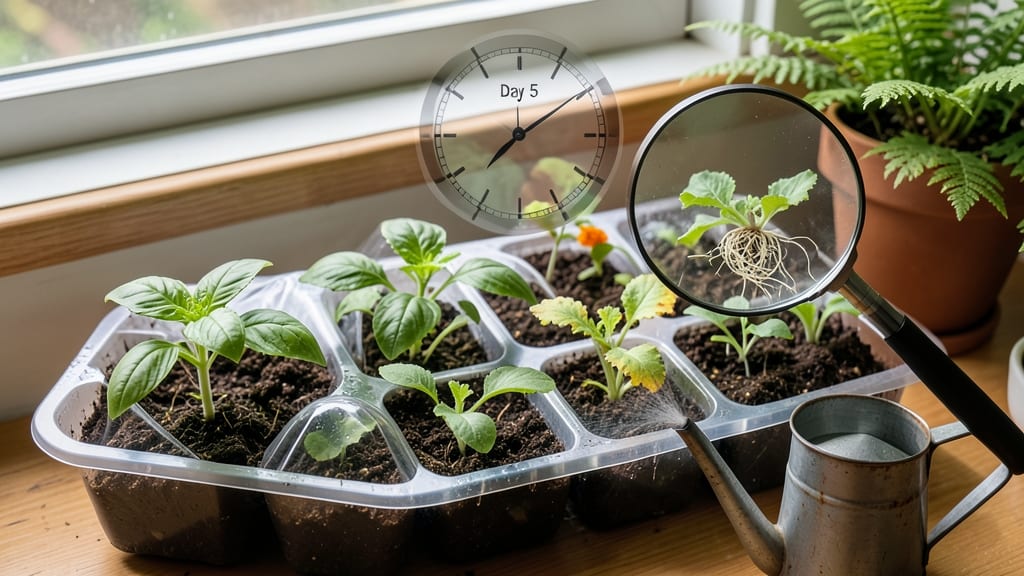
Waiting for seeds to sprout can feel like watching paint dry—unless you know the science-backed germination times. 🌱 I’ve learned that some seeds pop up in days, while others need weeks, and the difference comes down to temperature, moisture, and even soil type.
Understanding these timelines turns guesswork into a predictable process, so you’re not left staring at empty soil wondering, "Did I mess this up?"
The fastest germinators—like radishes and lettuce—appear in 3–7 days when kept warm and moist, while stubborn seeds (think parsley or carrots) can take 2–4 weeks. The trick isn’t just patience; it’s creating the right conditions.
A heat mat speeds up slow starters, while consistent moisture keeps them from drying out before they break through. Even the best seeds fail if the soil’s too cold or dry.
By the time you finish this guide, you’ll know exactly when to expect those first green shoots for your favorite plants—and how to troubleshoot if they’re running late.
No more second-guessing whether your seeds are "just taking their time" or actually dead. The right setup turns germination from a gamble into a foolproof process.
Whether you’re growing tomatoes for summer or snapdragons for color, these timelines help you plan your garden like a pro. Let’s get those seeds sprouting on schedule!
📚 In This Guide
- What you need
- Instructions
- Tips and common mistakes
- Wrapping up and next steps
What you need
- ● Seeds: Choose high-quality, fresh seeds (check the packet for specific germination times—some may vary!). Aim for 10–20 seeds per experiment for consistency.
- ● Germination containers: Small pots (3–4 inches deep) or
- ● Paper towels, coffee filters, or dampened paper towels (for paper towel method)
- ● Seed trays with domes (for humidity control)
- ● Potting mix or growing medium: Lightweight, sterile mix (e.g., coco coir, peat moss, or vermiculite). Avoid garden soil—it may harbor pathogens.
- ● Water: Room-temperature, dechlorinated water (let tap water sit out for 24 hours or use filtered water). A spray bottle is ideal for gentle hydration.
- ○ Heat source (optional but helpful): Seedling heat mat (70–85°F range)
- ● Warm location (e.g., near a sunny window or on top of a fridge)
- ● Light source: Grow lights (LED or fluorescent, 12–16 hours/day)
- ● South-facing window (if natural light is sufficient)
- ● Notebook & pen: Track seed germination times, moisture levels, and environmental conditions.
- ● Humidity dome or plastic wrap (to retain moisture during early stages).
- ● Seedling labels (to track varieties and germination dates).
- ● pH testing kit (to ensure your growing medium is 5.8–6.2, ideal for most seeds).
- ● Fungicide (e.g., hydrogen peroxide or cinnamon powder) to prevent mold.
- ● Timer for consistent light exposure.
Understanding seed germination times: how to predict and speed up sprouting
Germination isn’t just waiting—it’s science you can control. Here’s how to turn those days into hours with proven techniques.
🌱 Step 1: Identify Your Seed’s Germination Range
Every seed has a built-in timeline, and knowing it saves guesswork. Fast germinators like radishes or lettuce typically sprout in 3-7 days when conditions are perfect. Slow growers such as peppers or parsley may take 14-21 days, while tropical seeds like okra can emerge in just 2-5 days. Check the seed packet for the manufacturer’s estimate—this is your baseline.
Real talk: those ranges assume ideal conditions. If your kitchen runs cooler than 65°F, germination could stretch by days. I’ve seen basil seeds take 12 days instead of 7 when my basement was chilly. Use a seedling heat mat to bump soil temps to 75-85°F for faster results—especially critical for slow starters.
💧 Step 2: Optimize Moisture and Oxygen for Faster Sprouting
Seeds need moisture to activate, but too much oxygen deprivation kills them. Soak seeds overnight in lukewarm water (except tiny seeds like carrots—they’ll drown) to soften the outer coating. For most seeds, 12 hours is enough to kickstart the process. Drain excess water completely before planting—soggy seeds rot before they sprout.
After planting, keep the soil consistently moist but never soggy. The top inch should feel like a wrung-out sponge—damp but not dripping. I mist my trays daily to maintain humidity without overwatering. This ensures roots get oxygen while staying hydrated. Watch for condensation on the dome or plastic wrap—if it’s heavy, reduce watering slightly.
☀️ Step 3: Control Temperature and Light for Immediate Growth
Germination happens best in warmth, but light comes later. Place your seed trays on a seedling heat mat (set to 75-85°F) or in a warm spot like on top of the fridge. Avoid direct sunlight during this phase—seeds need warmth, not light, to break dormancy. Once you see tiny sprouts (cotyledons), move them to bright, indirect light immediately.
Here’s the thing—many gardeners rush to give seeds light too soon. Without enough warmth first, seeds may sprout weak or not at all. I’ve seen marigold seeds take 21 days to germinate when kept at room temperature, but cut that to 7 days with a heat mat. The moment sprouts appear, switch to 12-16 hours of grow light to prevent leggy seedlings.
⏰ Step 4: Track Progress and Adjust Conditions
Germination isn’t linear—it’s a race against time and conditions. Start tracking the day you plant seeds. Most packets list a range (e.g., 5-10 days), but real-world results vary. Use a marker to label each tray with the planting date and variety. This prevents confusion when seedlings pop at different times.
If no sprouts appear after twice the expected time, troubleshoot: check moisture (soil should feel damp but not wet), verify temperature (use a thermometer—below 60°F slows germination), and test seed viability by soaking a few in water. Seeds that sink are viable; those that float may need replacing.
🌿 Step 5: Speed Up Slow Germinators with Proven Tricks
For stubborn seeds like peppers or parsley, try scarification (lightly nicking the seed coat) or stratification (mimicking winter cold). Soak pepper seeds in warm water for 24 hours, then rub them gently between two sheets of sandpaper to break dormancy. Plant immediately—they’ll often sprout in 7-10 days instead of 21.
Cold-stratify seeds like delphinium or lupine by mixing them with damp sand in a sealed bag, then refrigerating for 4-8 weeks. This mimics natural winter chilling and triggers germination. I’ve seen delphinium seeds go from never sprouting to uniform germination in 10 days after stratification. Timing matters—start this process 8-10 weeks before your last frost for spring planting.
Tips & tricks for perfect seed germination timelines
Mastering seed germination isn't about luck—it's about understanding the science behind those critical days. These proven strategies will help you transform seed packets' vague ranges into predictable, reliable sprouting.
Seed Selection Wisdom: Not all seeds are created equal, and their germination windows reflect that. Tropical seeds like okra (2-5 days) thrive in warmth, while cool-season crops like lettuce (3-7 days) prefer milder conditions. I always cross-reference the packet's estimates with my local climate data—this helps me adjust expectations. For example, if your last frost is late, start fast germinators like radishes indoors 2 weeks before transplanting to avoid bolting.
Temperature Precision: The 75-85°F range isn't arbitrary—it's where most seeds activate their metabolic engines. I've seen basil seeds go from 7 days to 12 days just because my basement hovered around 65°F. Use a seedling heat mat for consistent warmth, especially for slow starters like parsley. Pro tip: Place your thermometer at soil level, not air level—soil temps can be 10°F warmer than ambient air, which makes all the difference for stubborn seeds.
Light Strategy: The moment you spot those first cotyledons, switch to 12-16 hours of bright, indirect light immediately. I've ruined batches by moving seedlings too soon—without enough warmth first, they develop weak stems that flop over. Use a grow light on a timer for consistency, and keep it 2-3 inches above seedlings. Watch for that telltale stretch toward the light—if they're leaning dramatically, they're begging for more light or less warmth.
Troubleshooting Timeline Delays: When seeds don't sprout within twice their expected time, don't panic—diagnose first. I've had seeds appear "dead" only to sprout weeks later when I finally checked moisture levels. Always test viability by soaking a few seeds: if they sink, they're still alive. For seeds that float, consider fresh packets or try scarification (lightly nicking the seed coat) to break dormancy. Remember, some seeds like delphinium need that 4-8 week cold stratification—don't give up too soon!
Pro Tips for Seed Germination Times
- Mastering seed germination isn't about luck—it's about understanding the science behind those critical days. These pr...
- Seed Selection Wisdom: Not all seeds are created equal, and their germination windows reflect that. Tropical seeds li...
- Temperature Precision: The 75-85°F range isn't arbitrary—it's where most seeds activate their metabolic engines. I've...
Frequently asked questions
Got questions about seed germination times? You’re not alone! Here are some of the most common queries—and science-backed answers—to help you grow with confidence.
How long do seeds typically take to germinate?
Germination times vary wildly by seed type. Fast sprouters like radishes or beans may emerge in 3–7 days, while slowpokes like peppers or trees can take 2–4 weeks (or even months!). Always check the seed packet for specifics—it’s your best guide.
Why is my seed taking longer to germinate than expected?
Several factors can delay sprouting: temperature (too cold or hot), moisture (dry soil or overwatering), light (some seeds need darkness), or seed age (old seeds germinate poorly). Test viability by soaking seeds in water—if they sink, they’re likely still good. Adjust conditions and give it 5–7 more days before declaring it a loss.
Do I need to keep seeds moist 24/7 during germination?
Not quite! Seeds need consistent moisture (like a damp sponge), but avoid soggy soil, which can rot them. Mist lightly 1–2 times daily or use a humidity dome. Once the seedling breaks through, reduce watering slightly—overwatering at this stage can drown tender roots. Think consistent, not soaked.
Can I speed up germination with heat or light?
Yes! Many seeds germinate faster in warmth (70–90°F). Use a seedling heat mat or place trays near a sunny window. For light-loving seeds (like lettuce), keep them in bright, indirect light after sprouting. Dark-germinators (e.g., beans) should stay covered until they sprout—then move them to light. Pro tip: A clear plastic bag over the tray creates a mini greenhouse for extra warmth!
What if my seeds won’t germinate at all?
Don’t panic! Try these fixes:
- Test viability: Soak seeds overnight—if they swell or sink, they’re alive.
- Scarify hard shells: Nick the seed coat with sandpaper (great for peas or beans).
- Stratify cold-loving seeds: Refrigerate moist seeds (e.g., apples, maples) for 4–8 weeks before planting.
- Buy fresh seeds: Old seeds (over 1 year) often fail—opt for heirloom or organic with higher viability.
Wrapping up and next steps
Understanding seed germination times is your first step toward a thriving garden—whether you're a seasoned green thumb or just starting out! 🌱 From the fastest-sprouting radishes to patiently waiting for heirloom tomatoes, knowing what to expect helps you plan, stay consistent, and celebrate those first tiny shoots.
Now that you’re armed with science-backed timelines and pro tips, it’s time to roll up your sleeves and get growing!
Ready to take the next step? Start with a few easy-to-germinate seeds (like beans or peas) to build confidence, then experiment with your favorites. Track your progress in a simple journal—you’ll be amazed at how much you learn along the way! 📝✨