Lawn
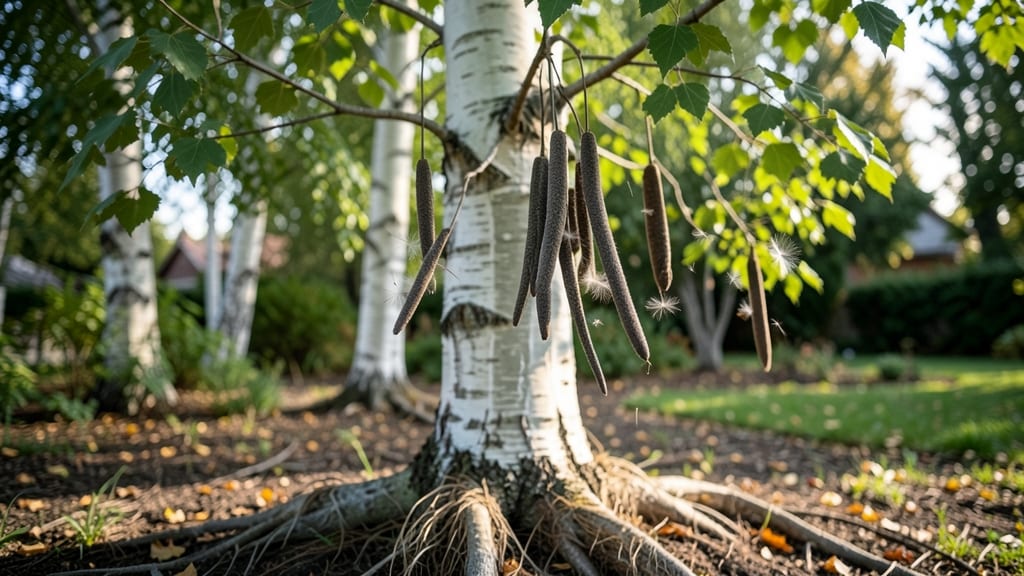
Harvesting poplar tree seed pods is like uncovering nature's way of growing fast, towering trees—if you know when and how to collect them. 🌿 These fluffy cottonwood-like pods appear in late summer and fall, and gathering them at the right stage ensures the best germination rates.
The key is patience: wait until the pods turn brown and begin to split open naturally, which usually happens after the first frost.
You'll need just a few simple supplies: gloves to protect your hands from the fuzzy fibers, a large bucket or tarp to collect the pods, and paper bags for storage. The pods are lightweight but prolific, so spread out your collection area to avoid missing any.
Once collected, store them in a cool, dry place until you're ready to sow them—ideally within a few weeks to maintain viability. Planting these seeds is where the magic happens. Poplar seeds need light to germinate, so scatter them on the soil surface rather than burying them.
Keep the soil consistently moist but not soggy, and you'll see sprouts in as little as 1-2 weeks. These fast-growing saplings can reach 6 feet in a single season, so give them plenty of space to avoid overcrowding.
The biggest challenge with poplar trees is their rapid growth and potential invasiveness. If you're not careful, they can spread aggressively and outcompete other plants. To manage this, consider planting them in a designated area or container where you can control their spread.
With the right approach, you'll have a thriving poplar tree—or a whole grove—in no time!
📚 In This Guide
- What you need
- Instructions
- Tips and common mistakes
- Wrapping up and next steps
What you need
- ● Poplar trees (Populus spp.) – Mature trees (5+ years old) producing seed pods (fluffy, cotton-like clusters). Pro tip: Look for trees in late winter/early spring when pods are brown and fluffy! 💡
- ● Large garbage bags or breathable mesh bags – 2–3 bags (15–30 gallons each) to collect pods without crushing them.
- ○ Pruning shears or loppers – For harvesting pods from high branches (optional if you’re comfortable reaching!).
- ● Newspaper, cardboard, or seed trays – For drying pods indoors (cover a flat surface with 2–3 sheets).
- ○ Fan or dehumidifier – Optional but helpful for faster drying in humid climates.
- ● Ladder or extension pole – For safely accessing higher branches.
- ● Fine-mesh sieve or colander – To separate seeds from chaff after drying.
- ● Paper towels or coffee filters – For gently cleaning seeds post-harvest.
- ● Air-tight storage containers (glass jars or resealable bags) – With silica gel packets to maintain dryness.
- ● Labeling supplies (masking tape + marker) – To track harvest dates and seed viability.
- ● Weather check – Harvest on a dry, windless day (pods release seeds easily when disturbed!).
- ● Timing – Collect pods when they’re brown and fluffy (typically late winter to early spring, but varies by region).
- ○ Safety gear – Gloves (optional, to avoid sap irritation) and closed-toe shoes.
Instructions for harvesting poplar tree seed pods
Here's how I gather healthy poplar seeds year-round without stress or waste.
🌿 Step 1: Identify the Right Pods and Timing
Poplar seed pods—those fuzzy, cottonwood-like clusters—develop in late spring but mature at different times depending on your climate. Look for pods that are light brown and dry to the touch (they should crumble slightly when gently squeezed). Avoid green or moist pods—they won’t produce viable seeds. The best time to harvest is late summer to early fall, when pods are fully open but haven’t released all their fluff.
I always check pods from multiple trees in your area, as some may mature earlier than others. If you’re harvesting in winter, focus on pods that survived the season—they’ll be harder but still contain seeds. Never harvest from pods that are already releasing fluff into the air; those seeds are already on their way to the ground.
✂️ Step 2: Gather Pods Gently and Store Properly
Use clean, sharp pruning shears or scissors to snip pods directly from the branches. Avoid tugging or pulling—they detach easily but can damage the tree if forced. Place pods in a paper bag (not plastic) to allow airflow while preventing fluff from escaping. I like to label each bag with the tree’s location and harvest date, since some pods may still need time to dry.
Once home, spread the pods on a clean, dry towel in a well-ventilated area for 1-2 days. This final drying step ensures any lingering moisture evaporates, which prevents mold. Store the dried pods in an airtight container (like a glass jar) in a cool, dark place. They’ll keep viable for up to a year if stored properly—no need for refrigeration.
🌱 Step 3: Extract Seeds and Prepare for Planting
When ready to plant, hold a dried pod over a large sheet of white paper and gently rub or squeeze it. The fluff will separate from the seeds, which will fall onto the paper. Poplar seeds are tiny—about the size of a pinhead—so I use a fine paintbrush to collect them into a small container. Discard any debris or empty fluff clusters.
For best germination, sow seeds immediately in moist, well-draining soil (like a mix of potting soil and perlite). Poplar seeds need light to germinate, so don’t bury them—just press them lightly into the surface. Keep the soil consistently moist (not soggy) and place the container in a bright, indirect light spot. Germination can take 2-4 weeks, so patience is key.
☀️ Step 4: Transplant Seedlings for Long-Term Growth
Once seedlings develop 2-3 true leaves (not just the initial cotyledons), they’re ready to transplant. Choose a sunny location with well-draining soil—poplars thrive in full sun but tolerate partial shade. Dig a hole twice as wide as the seedling’s root ball but only as deep as the container it came in. Poplars have shallow roots, so avoid planting too deeply.
Water the seedlings deeply after transplanting to settle the soil around the roots. Mulch with 2-3 inches of organic material (like wood chips) to retain moisture and suppress weeds. Poplars grow fast, so expect 3-5 feet of growth per year under ideal conditions. If you’re growing them for shade or windbreaks, space seedlings 15-20 feet apart to allow for mature size.
Tips & tricks for perfect poplar tree seed pod harvesting
These simple tricks will help you maximize your seed yield and avoid common harvesting mistakes.
Timing is Everything: The 1-2 day drying period in Step 2 is crucial—don't rush it. If your climate is particularly humid, extend this to 3 days to ensure complete moisture evaporation. I've learned the hard way that damp pods can develop mold within 24 hours, ruining your entire harvest. Place a small fan nearby to help circulate air during this drying phase.
Harvesting Technique: When collecting pods in Step 2, work from the top of the tree downward. This prevents you from accidentally knocking off already harvested pods below. I also recommend wearing gloves—poplar fluff can be surprisingly itchy! A small mesh bag over your head helps contain the fluff while you work, especially on windy days.
Seed Extraction Tip: For Step 3, use a fine mesh strainer instead of just paper to collect seeds. Place the strainer over your container and gently shake the pods over it—the fluff will blow away while seeds fall through. This saves time and reduces mess. If you don't have a strainer, a clean kitchen towel works too, but you'll need to carefully brush off the fluff afterward.
Germination Hack: After sowing seeds in Step 3, place your container in a clear plastic bag to create a mini greenhouse effect. This maintains humidity while allowing light penetration. Check daily for condensation—if you see droplets forming, remove the bag for a few hours to prevent fungal growth. This simple trick can nearly double your germination rate.
Pro Tips for Poplar Tree Seed Pods
- These simple tricks will help you maximize your seed yield and avoid common harvesting mistakes.
- Timing is Everything: The 1-2 day drying period in Step 2 is crucial—don't rush it. If your climate is particularly h...
- Harvesting Technique: When collecting pods in Step 2, work from the top of the tree downward. This prevents you from ...
Frequently asked questions
Got questions about harvesting and using poplar tree seed pods? You’re not alone! Here are some of the most common concerns—and their answers—to help you get the most out of your seed pods without the stress.
When is the best time to harvest poplar seed pods?
Harvest poplar seed pods in late fall or early winter (November–January) when they’re fully mature and brown. Avoid harvesting too early—they won’t be viable, and too late means they’ll scatter seeds naturally. Look for pods that pop when squeezed (a telltale sign of readiness!).
How do I know if the seeds inside are still good?
Viable poplar seeds should be plump, dark brown, and slightly sticky when fresh. If they’re shriveled, light-colored, or crumbly, they’ve lost viability. For a quick test, soak a few seeds in water overnight—if they swell, they’re still good to plant! Pro tip: Store harvested seeds in a cool, dry place (like a paper bag) for up to 6 months.
Can I use poplar seed pods for anything other than planting?
Beyond planting, poplar seed pods are great for natural mulch, wildlife habitat (birds and small mammals love them), or even as a textural element in dried floral arrangements. Just ensure they’re fully dried first to avoid mold. Bonus: Their unique shape adds rustic charm to DIY crafts!
What should I do if my poplar tree isn’t producing seed pods?
Poplar trees need full sun, well-drained soil, and patience—they often take 3–5 years to mature enough for seed production. If your tree is healthy but still not producing, check for pests (like aphids) or nutrient deficiencies. Fertilize lightly in early spring and prune dead branches to encourage growth. Patience pays off!
Do poplar seed pods need special treatment before planting?
Nope! Simply stratify them (mimic winter) by mixing seeds with moist sand and refrigerating for 4–6 weeks before sowing. For direct planting, scatter seeds on prepared soil in early spring—they germinate best in cool, moist conditions. No fancy equipment needed!
Wrapping up and next steps
Harvesting poplar tree seed pods doesn’t have to be a chore—with the right timing, tools, and techniques, you can enjoy a steady supply of viable seeds year-round!
Whether you’re aiming to propagate new trees, enhance your garden’s biodiversity, or simply embrace nature’s rhythm, these stress-free methods make the process rewarding and sustainable. 🌱
Now that you’re equipped with the know-how, why not take the next step? Start small—grab a handful of pods from your yard (or a local park with permission!) and experiment with germination.
Share your progress or tips with fellow gardening enthusiasts, and watch how this simple act connects you deeper to the cycles of nature. Happy harvesting!