Lawn
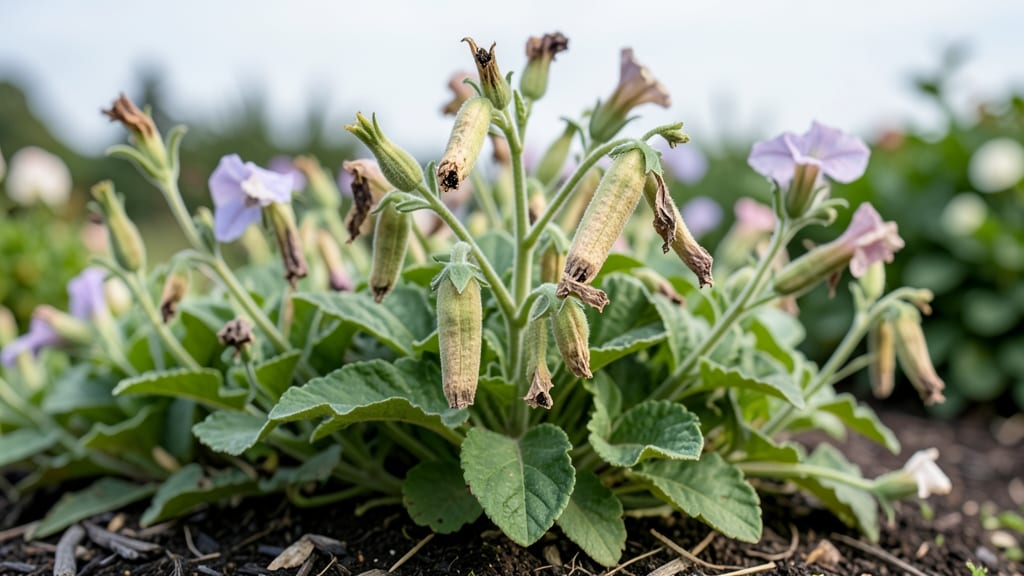
Saving petunia seed pods from this year’s spent blooms—the ones you’ve snapped in that perfect image—means next summer’s garden will burst with colors you can’t buy. 🌸 Those papery seed pods—green turning brown—are the key to free, vibrant petunias that match your favorite hues exactly.
I’ve turned my $5 plant habit into a seed-saving ritual that cuts costs and keeps heirloom varieties alive.
The pods look like tiny, wrinkled balloons when mature, about the size of a pea but papery thin. Harvest them when they’re completely dry and brown, then gently squeeze to release the seeds inside—no tools needed.
A single pod yields dozens of seeds, enough to fill a window box or two. The secret? Patience—rushing means low germination rates.
Once you’ve collected them, store the seeds in a cool, dry place until spring. Plant them shallowly (just press into soil) and keep them moist until sprouts appear in 2-3 weeks.
The payoff? Petunias that bloom earlier than store-bought plants and grow exactly how you like them. No more guessing at colors or waiting for cuttings to root.
Works best for Petunia × hybrida varieties—those bushy, trailing types you love. Skip this for fancy double-flowered types (they rarely produce viable seeds). For everyone else, this is the easiest way to multiply your favorite blooms for free next season.
📚 In This Guide
- What you need
- Instructions
- Tips and common mistakes
- Wrapping up and next steps
What you need
- ● Mature petunia seed pods – Harvest when they turn brown and papery (typically after blooms fade). Aim for 10–20 pods per plant, depending on size.
- ● Brown paper bags – 1–2 per plant (or a single large bag for bulk collection). Use unbleached, kraft paper to avoid moisture retention.
- ● Scissors or pruning shears – 1 pair for cleanly snipping pods from stems.
- ● Drying tray or screen – A wire mesh tray or flat, well-ventilated surface (like a baking sheet with holes) to lay pods out.
- ● Small envelopes or seed packets – 5–10 (label them with the petunia variety and date!). Use parchment paper or breathable seed envelopes.
- ● Permanent marker or labels – For marking pods/envelopes with variety names and harvest dates.
- ● Fine-mesh strainer or sieve – 1 (to sift seeds from dried pods). A tea strainer works in a pinch!
- ● Desiccant packets – Place 1–2 in your storage container to absorb excess moisture.
- ● Glass jars with tight lids – For long-term seed storage (label clearly!).
- ● Hair dryer (cool setting) – Speed up drying time for pods that need a little extra help.
- ● Magnifying glass – Makes it easier to spot and separate tiny petunia seeds.
- ○ Digital scale – Weigh seeds if you’re tracking germination rates (optional but fun for data lovers!).
How to dry petunia seed pods for next season’s plants
Here's the simple method I use to save petunia seeds—no fancy tools, just patience and a little know-how.
🌿 Step 1: Identify and Harvest Mature Seed Pods
Wait until petunia flowers fade and form brown, papery seed pods—about 6-8 weeks after planting. These pods will split open on their own, so harvest them before they release seeds prematurely. I check my plants daily at this stage because once the pods crack, seeds scatter everywhere.
Gently twist the pod from the stem—don't pull too hard, or you might damage the plant. Place pods in a paper bag (not plastic) to catch any seeds that might fall out during transport. Label the bag with the petunia variety if you're saving multiple types.
🌱 Step 2: Dry Pods in a Warm, Dry Location
Spread the seed pods on a flat surface like a tray or cardboard box in a warm, dry spot. I use a sunny windowsill or a well-ventilated room with 60-70°F temperatures. Avoid direct sunlight—it can overheat and dry the pods too quickly, which ruins seed viability.
Turn the pods every 2-3 days to ensure even drying. You'll know they're ready when they turn completely brown and crispy to the touch—about 2-3 weeks total. If pods feel damp or soft, leave them out longer. Overly moist pods will mold and ruin your seeds.
⏰ Step 3: Extract and Store Seeds Properly
Once pods are fully dry, place them in a paper bag or envelope and gently crush them with your fingers. Seeds will spill out while the dry husks crumble away. I like to do this outside or over a tray to avoid seed loss from accidental sneezes.
Store the seeds in a cool, dark place like a seed envelope or small jar. Label with the variety and harvest date—petunia seeds stay viable for 2-3 years if stored properly. Check the seeds occasionally for moisture or pests, especially if your storage area gets humid.
💧 Step 4: Test Germination Before Next Planting Season
About 6-8 weeks before your last frost date, test a few seeds to confirm they'll germinate. Plant them in a small pot with moist potting mix and cover lightly with soil. Keep the soil warm (70-75°F) and moist until sprouts appear, which should happen in 7-14 days.
If germination is slow or poor, your seeds may have lost viability. Don't worry—just buy fresh seeds next time. Successful germination means your saved seeds are ready for planting. I always start a few extra seeds just in case, since petunias can be finicky about growing from home-saved stock.
Tips & tricks for perfect petunia seed pod preservation
These simple strategies will help you save seeds that grow into next year's most vibrant petunias.
Harvesting Timing: Watch for pods that turn completely brown and develop a papery texture—this is your cue they're ready. I've learned the hard way that waiting too long means seeds scatter everywhere when pods split open. Harvest in the morning when dew is off the plants to avoid moisture issues during transport.
Drying Conditions: The 60-70°F temperature range is ideal for drying, but humidity is your real enemy. If your home feels damp, consider placing a small fan nearby to improve air circulation. I've had success using a seed drying tray, but even a cardboard box lined with parchment paper works perfectly. Just avoid plastic—it traps moisture and can cause mold.
Storage Wisdom: Once seeds are extracted, store them in an airtight container with a desiccant packet to absorb any moisture. I like to add a tiny silica gel packet to my seed envelopes—it keeps them viable for the full 2-3 years. Label each container with the variety name and harvest date, because after a year or two, those details become crucial for organization.
Germination Testing: When testing seeds 6-8 weeks before planting, use a heat mat set to 70-75°F for consistent results. If germination is slow, try gently nicking the seed coat with a sharp knife to help water penetrate—petunia seeds can be stubborn sometimes. I always plant a few extra seeds just in case, since even with perfect drying, some seeds may not make it through storage.
Pro Tips for Petunia Seed Pods Image
- These simple strategies will help you save seeds that grow into next year's most vibrant petunias.
- Harvesting Timing: Watch for pods that turn completely brown and develop a papery texture—this is your cue they're re...
- Drying Conditions: The 60-70°F temperature range is ideal for drying, but humidity is your real enemy. If your home f...
Frequently asked questions
Got questions about saving petunia seed pods for next year’s garden? You’re in the right place! Here are some of the most common queries—and their easy answers—to help you master the process.
How do I know when petunia seed pods are ready to harvest?
Petunia seed pods are ready when they turn brown, papery, and slightly wrinkled—usually 4–6 weeks after flowering. If they split open, the seeds inside are likely mature. Harvest them before they release seeds naturally to avoid mess!
Can I dry petunia seed pods indoors? What’s the best method?
Yes! Place pods in a single layer on a tray with a paper towel to absorb moisture. Keep them in a warm, dry, and well-ventilated spot (like a sunny windowsill or dehumidifier-free room) for 1–2 weeks. Avoid heat sources—they can crack the pods prematurely.
What if my petunia seed pods mold or rot while drying?
Mold or rot usually means too much humidity. If this happens, discard the affected pods and try again with fresh ones. To prevent it, ensure good airflow and avoid stacking pods. If your space is damp, consider using a fan on low or a silica gel packet in the drying container.
Do I need to clean petunia seeds before storing them?
Not always! Gently rub the dried pods between your fingers to release seeds, then sift through a fine mesh strainer to remove debris. If pods are stubborn, place them in a paper bag and shake—seeds will fall out naturally. Store clean seeds in an airtight container with a moisture absorber (like rice or silica gel).
Will petunia seeds from store-bought flowers grow true to color?
Probably not! Many commercial petunias are hybrids, meaning their seeds may produce different colors or even revert to wild-type traits (often white or purple). For consistent blooms, buy seeds labeled “true to type” or propagate from heirloom varieties.
Wrapping up and next steps
Saving petunia seed pods is a simple yet rewarding way to ensure next year’s garden bursts with color! By following these steps—harvesting mature pods, drying them properly, and storing seeds carefully—you’ll have a head start on vibrant blooms without breaking the bank. Your future garden will thank you!
Ready to grow more? Grab a notebook, jot down your favorite petunia varieties, and plan your next planting season. Happy gardening! 🌸