
Lawn
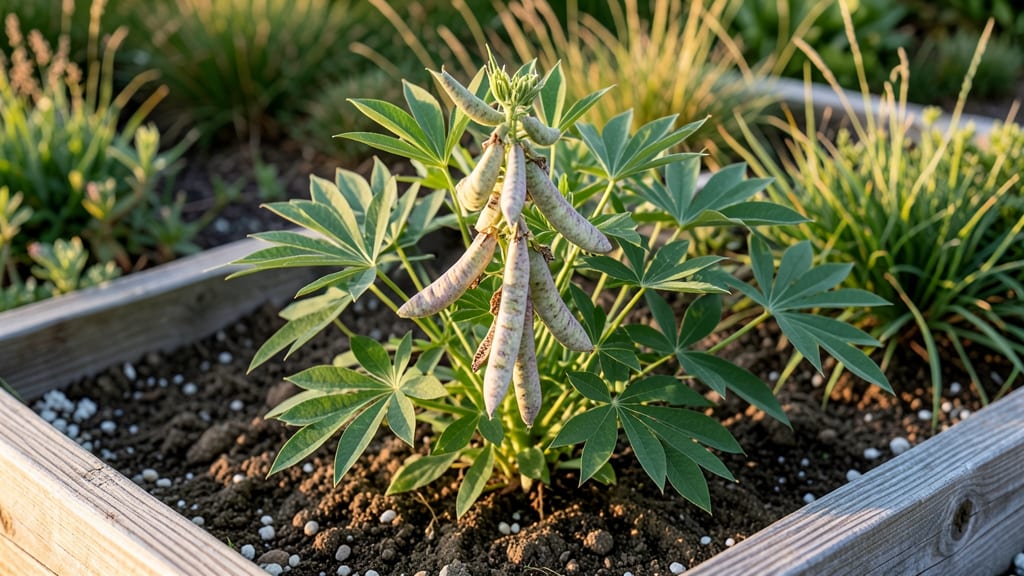
Harvesting lupine seed pods turns your garden's summer blooms into next year's free plants—no store-bought seeds needed. 🌱 The key is timing: wait until the pods turn from green to brown but haven't split open, usually in late summer or early fall.
I've saved seeds from my own lupines for three years now, and the process is simpler than it looks.
All you need is a pair of sharp pruners or scissors, a paper bag for drying, and patience. Once you harvest the pods, lay them out in a dry, well-ventilated spot for about two weeks—they'll open naturally, releasing the seeds inside.
Lupines are tough plants, so they store well for years if kept in a cool, dry place.
Beyond seeds, these pods add rustic charm to dried flower arrangements or can be used in craft projects. The plants themselves are drought-resistant once established, making them perfect for low-maintenance gardens. You'll end up with beautiful blooms and a stash of seeds ready for next spring.
Works best in sunny spots with well-draining soil, and the seeds thrive in zones 3-9. Whether you're saving seeds or just admiring the unique pods, lupines are a gardener's secret weapon for beauty and sustainability.
📚 In This Guide
- What you need
- Instructions
- Tips and common mistakes
- Wrapping up and next steps
What you need
- ● Mature lupine seed pods: Harvest when pods are dry, brown, and starting to split open (late summer to early fall). Aim for at least 10–15 healthy pods for a good seed yield.
- ● Pruning shears or sharp scissors: For cleanly snipping stems without damaging pods.
- ● Brown paper bags or breathable mesh bags: 2–3 bags (1 per 5–7 pods) to allow airflow and prevent mold.
- ● Newspaper or cardboard: For a drying tray (cut to fit a flat surface).
- ● Glove: Protects hands from prickly lupine stems (nitrile or gardening gloves work best).
- ● Fine-mesh sieve or colander: For separating seeds from chaff after drying.
- ● Air-tight glass jars or seed envelopes: For long-term storage (label with the harvest year!).
- ● Twine or rubber bands: To secure pods in bundles for drying if needed.
- ● Magnifying glass: Helps spot and remove damaged seeds.
- ● A dry, well-ventilated space (like a garage, shed, or sunny windowsill) with consistent temperatures (60–75°F).
- ● Patience! Lupine pods need 2–4 weeks to fully dry indoors.
- ● Sunny weather (if harvesting outdoors—pods dry faster in direct sunlight).
Step-by-Step guide to harvesting lupine seed pods
Here's how to collect and save lupine seeds without stress or waste.
🌿 Step 1: Identify Mature Seed Pods
Lupine seed pods turn from green to a papery brown when fully mature—this usually happens in late summer or early fall. Look for pods that feel dry and papery to the touch, rather than firm and green. The pods will also start to split open slightly at the seams, revealing the seeds inside.
Harvest pods when they're mostly brown but still intact. If you wait too long, the pods may burst open and scatter seeds everywhere. I like to check my lupines every few days during this time to catch the pods at the perfect moment.
✂️ Step 2: Harvest and Prepare the Pods
Use clean, sharp pruning shears to snip the entire seed pod from the stem, leaving about 1 inch of stem attached. This makes handling easier and prevents damage to the plant. Place the harvested pods in a paper bag or cardboard box to allow them to fully dry indoors.
Don't wash the pods—they need to dry naturally. Instead, place them in a dry, well-ventilated area away from direct sunlight. This usually takes about 1-2 weeks, depending on humidity levels. You'll know they're ready when the pods rattle with seeds when shaken.
🌱 Step 3: Extract and Store the Seeds
Once the pods are completely dry, gently crush them by hand to release the seeds. Lupine seeds are hard and round, often with a slight sheen. Place the seeds in a clean, dry container with a tight-fitting lid. I use a small glass jar for storage, but any airtight container will work.
Label the container with the variety name and the harvest date. Store the seeds in a cool, dark place—like a pantry or basement. Lupine seeds can remain viable for 3-5 years if stored properly. Check the container occasionally to ensure no moisture has seeped in, which can cause mold.
💧 Step 4: Clean and Plant Saved Seeds
Before planting, soak the seeds in warm water for 12-24 hours to soften the hard seed coat and improve germination. This step is crucial because lupine seeds have a tough outer layer that can delay or prevent sprouting. After soaking, drain the water and let the seeds dry slightly before planting.
Sow the seeds directly in the garden in late fall or early spring, about ½ inch deep, in well-draining soil. Lupines thrive in full sun and don't need much care once established. You'll see seedlings emerge in 2-4 weeks, depending on soil temperature and moisture.
⏰ Step 5: Maintain Seed Viability and Prevent Waste
To ensure your saved seeds remain viable for future plantings, store them in a sealed container with a packet of silica gel or a moisture absorber. This helps prevent humidity-related spoilage. Every 6 months, check the seeds for signs of mold or pests—discard any that look compromised.
If you end up with more seeds than you need, share them with fellow gardeners or donate to a local seed library. Lupines are drought-tolerant and great for pollinators, so your extra seeds can help others grow beautiful, low-maintenance plants.
Tips & tricks for perfect lupine seed pod harvesting
Here's what I've learned after years of saving lupine seeds—tricks that make the process effortless and foolproof.
Timing is Everything: In Step 1, when pods are mostly brown but still intact, they're at their prime. I've learned to check my lupines every 2-3 days during late summer to early fall—this window is short, and pods can go from perfect to scattered seeds in a matter of days. If you're unsure whether a pod is ready, gently squeeze it: if it feels papery and makes a rattling sound, it's time to harvest.
Drying Strategy: Step 2's drying process is where many gardeners go wrong. Don't rush it! The 1-2 week drying time in a well-ventilated area is critical. I've tried using ovens or dehydrators, but they can over-dry the pods and make seed extraction difficult. Place them on a screen or mesh bag for airflow—this prevents moisture buildup and speeds up drying slightly without sacrificing quality.
Seed Extraction Hack: When crushing dry pods in Step 3, I've found that rolling them gently between two sheets of newspaper works better than hand-crushing. This method prevents seed damage and makes cleanup a breeze. Once seeds are out, I sift them through a fine-mesh sieve to remove any pod debris—it's worth the extra minute to ensure pure seeds for planting.
Germination Boost: For Step 4's 12-24 hour soaking, I've discovered that adding a pinch of seaweed extract to the warm water can significantly improve germination rates. The natural hormones in seaweed help break down that tough seed coat faster. After soaking, I let the seeds air-dry on a paper towel for about 30 minutes before planting—this prevents clumping when sowing.
Pro Tips for Lupine Seed Pods
- Here's what I've learned after years of saving lupine seeds—tricks that make the process effortless and foolproof.
- Timing is Everything: In Step 1, when pods are mostly brown but still intact, they're at their prime. I've learned to...
- Drying Strategy: Step 2's drying process is where many gardeners go wrong. Don't rush it! The 1-2 week drying time in...
Frequently asked questions
Got questions about harvesting and saving lupine seed pods? You’re not alone! Here are some of the most common queries—and their stress-free answers—to help you master zero-waste seed saving like a pro.
Are lupine seed pods toxic to humans or pets?
Yes, raw lupine seed pods (and seeds) contain alkaloids that can be toxic if ingested in large quantities. Always cook them thoroughly before eating—roasting or boiling removes most toxins. For pets, keep them out of reach, as even cooked lupines can cause digestive upset. When saving seeds, wear gloves to avoid skin irritation from the pods.
When is the best time to harvest lupine seed pods?
Harvest pods when they’re dry, brown, and papery (usually late summer to early fall), but before they split open on their own. If you wait too long, seeds will scatter, and you’ll lose your harvest. Morning harvests are ideal—dew-damp pods are easier to handle. Avoid harvesting if rain is forecasted for 24+ hours, as moisture can accelerate mold.
Can I save seeds from store-bought lupine pods?
Technically yes, but it’s not recommended for seed saving. Store-bought lupines are often hybridized for flavor or appearance, meaning their seeds may not grow true to the parent plant. For reliable seed saving, grow your own lupines from open-pollinated varieties. If you must use store-bought pods, ensure they’re organic and untreated to avoid chemical contamination.
What do I do if my lupine seed pods get moldy or buggy?
Mold or pests (like weevils) can ruin your harvest, but don’t panic! First, sort through pods immediately—discard any with holes, discoloration, or fuzzy growth. For mild mold, air-dry pods in a single layer in a well-ventilated, dry space (like a mesh bag) for 1–2 weeks. To deter pests, store seeds in glass jars with tight lids in the freezer for 3–5 days to kill larvae. Add a silica gel packet for extra dryness.
How long can I store lupine seeds before planting?
Properly dried and stored lupine seeds stay viable for 2–3 years in cool, dark conditions (ideal temp: 35–40°F). Use paper envelopes or airtight containers with a desiccant packet to prevent moisture. Label each with the harvest date! For best germination, soak seeds overnight in warm water before planting—this mimics natural spring rains and speeds up sprouting.
Wrapping up and next steps
Harvesting lupine seed pods isn’t just a rewarding way to embrace zero-waste gardening—it’s a simple, eco-friendly practice that connects you to nature’s cycles. 🌱 Whether you’re a seasoned gardener or just starting out, these pods offer a low-effort, high-reward way to save seeds and reduce waste.
Now that you’re equipped with the right tools and tips, why not take the next step?
Start small: try harvesting just a few pods this season and experiment with growing them next year. Share your success—or even your failures—with fellow gardeners, and watch how this tiny habit can inspire bigger, greener changes in your yard (and beyond). Happy harvesting! 🌿