
Lawn
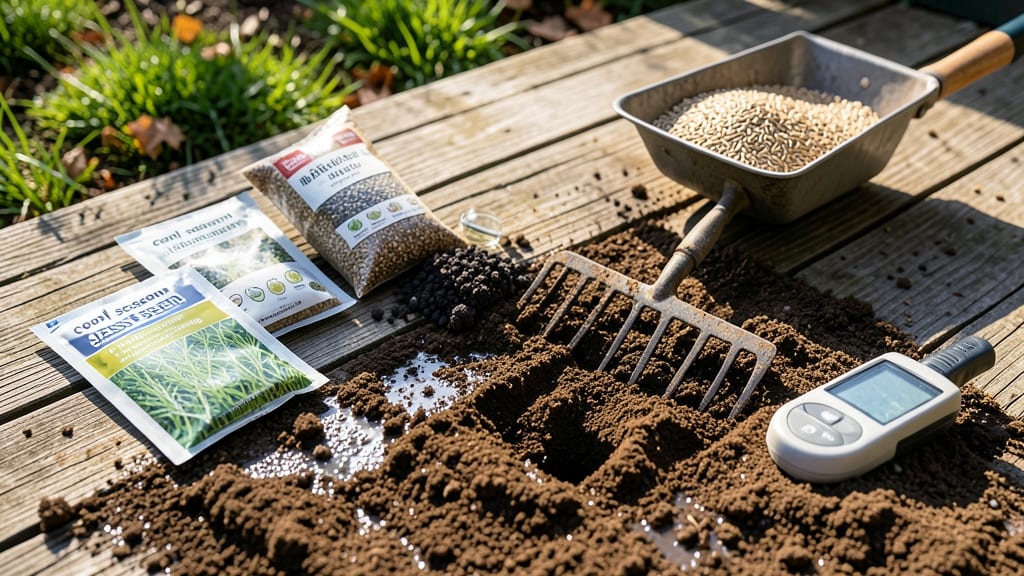
Planting grass seed in autumn gives you a head start on next spring's lush lawn—when the soil cools and rain increases, seeds germinate better than at any other time. 🌱 I learned this the hard way after spring planting left patchy, slow-growing grass that struggled through summer heat.
The secret lies in letting winter's chill break seed dormancy naturally, a process called cold stratification.
You'll need cool-season grass seed (like tall fescue or Kentucky bluegrass), a rake, compost, and a light layer of straw to protect new sprouts. Test your soil first—aim for a pH between 6.0 and 7.0, and till the top 4 inches to loosen compacted earth.
Most regions benefit from planting in early fall, about 6-8 weeks before your first frost, when daytime temps hover around 60-70°F.
After sowing, keep the area moist but not soggy—think damp sponge, not swamp. Within 10-14 days, you'll see tiny green blades pushing through, and by spring, your lawn will be thicker and more resilient than neighbors who planted in spring.
The key is patience: autumn's cooler temps reduce weed competition while giving roots time to establish deep.
This method works best in USDA zones 3-8, but even southern gardeners can plant cool-season grasses in fall for winter color. For warmer climates, focus on drought-resistant varieties like Bermuda grass planted in late summer instead.
The payoff? A lawn that greens up earlier and stays vibrant longer—no more bare spots or summer brownouts.
📚 In This Guide
- What you need
- Instructions
- Tips and common mistakes
- Wrapping up and next steps
What you need
- ● Grass seed: Choose a cool-season variety like Kentucky Bluegrass, Tall Fescue, or Perennial Ryegrass (10–15 lbs per 500 sq ft, depending on desired density). Opt for pre-mixed blends for ease.
- ● Lawn rake: A bendable-tine rake (8–12 inches wide) to loosen soil and remove debris.
- ● Broadcast spreader: For even seed distribution (calibrate for your seed type).
- ● Soil test kit: Check pH levels (ideal: 6.0–7.0 for cool-season grasses). Adjust with lime or sulfur if needed.
- ● Compost or organic fertilizer: A slow-release, nitrogen-rich option (e.g., 10-10-10) to nourish roots (apply ½ lb per 100 sq ft).
- ● Water source: Hose with adjustable nozzle or sprinkler system for gentle, frequent watering (1–1.5 inches per week).
- ○ Straw or erosion control blanket: Lightweight mulch (½–1 inch thick) to protect seeds from wind and birds (optional but highly recommended).
- ● Seed starter fertilizer: Phosphorus-heavy (e.g., 5-10-10) to boost root development.
- ● Lawn roller: Lightweight (50–100 lbs) to press seed into soil gently.
- ● Garden kneeler/pad: For comfort during prep work.
- ● Weather tracker app: Monitor forecasts to avoid planting before frost (4–6 weeks before first freeze).
Step-by-Step instructions for autumn grass seed planting
Fall is the perfect time to establish grass—here's how to set up seeds for strong spring growth.
🌱 Step 1: Prepare the Soil for Optimal Seed Contact
Rake the existing turf or soil to create a fine, crumbly texture—think of it like breaking up clumps of sugar. You want seeds to make direct contact with soil, not sit on top where they'll dry out or get washed away. For new lawns, loosen the top 2-3 inches of soil to help roots establish deeper.
Test your soil's pH if possible—ideal for most grasses is between 6.0 and 7.0. If your soil feels compacted or clay-heavy, mix in 1-2 inches of compost to improve drainage and fertility. I like to spread a thin layer first, then lightly rake it in so it doesn't create a barrier between seeds and soil.
🌱 Step 2: Spread Seed Evenly for Uniform Germination
Use a broadcast spreader for large areas or a hand spreader for small patches. Walk in a crisscross pattern to ensure even coverage—you'll see bare spots if you only go one direction. For 4 servings (about 1,000 sq ft), aim for 8-12 lbs of seed, depending on the grass type (fine fescue needs more than Kentucky bluegrass).
Don't worry about burying seeds—just press them lightly into the soil with a lawn roller or the back of a rake. The seeds need light to germinate, so covering them deeper than ¼ inch will delay sprouting. I like to make two light passes with the roller to ensure good seed-to-soil contact without compacting the soil too much.
💧 Step 3: Water Gently but Consistently for Germination
Water immediately after planting to settle the seeds into the soil. For the first 2 weeks, keep the top 1-2 inches of soil consistently moist—like a wrung-out sponge. Use a gentle sprinkler or soaker hose to avoid displacing seeds. You'll know you're doing it right when the soil surface stays dark but doesn't puddle.
After germination (usually 7-14 days), gradually reduce watering frequency but increase depth. Let the top ½ inch dry out between waterings to encourage deep root growth. I set my sprinkler for 10-15 minutes, 2-3 times per week once the grass reaches 2-3 inches tall.
☀️ Step 4: Protect New Growth Through Winter
Once the grass reaches 3-4 inches tall, it's ready for its first mowing—set your lawnmower to 3 inches high to leave plenty of blade for photosynthesis. Avoid fertilizing until spring, as fall applications can encourage tender growth that won't survive winter.
If your region gets heavy snow or freezing winds, consider a light mulch of straw (not hay) to protect young plants. Spread ¼ inch thick over the entire area and remove it in early spring. This keeps soil temperatures stable and prevents soil heaving that can uproot seedlings. I've found that even a thin layer makes a noticeable difference in survival rates.
⏰ Step 5: Plan for Spring Maintenance
In early spring, before new growth appears, give the lawn a light raking to remove any debris or thatch buildup. This helps air and water reach the soil surface where roots are developing. If you notice thin spots, overseed those areas in early fall again for a thicker lawn.
Wait until the grass is actively growing in spring (when you can see new leaves emerging) before fertilizing. A high-nitrogen, slow-release fertilizer applied in early spring will give your lawn the boost it needs to fill in and thicken. I like to fertilize when forsythia bushes bloom—they're a natural indicator that it's time to feed.
Tips & tricks for perfect autumn grass seed planting
These simple strategies will help you maximize your lawn's potential before winter sets in.
Soil Prep Secret: After loosening the top 2-3 inches of soil, run a garden fork vertically through the area every 6-12 inches. This creates tiny air pockets that improve root penetration and drainage—especially important for clay-heavy soils. Think of it like making tiny holes for your grass roots to explore.
Seed Distribution Hack: For that crisscross pattern in Step 2, imagine walking in a "W" shape first, then a perpendicular "M" shape. This ensures you don't miss any spots while maintaining even coverage. I've found that walking in straight lines often leaves diagonal patterns of missed areas—this method guarantees full coverage.
Watering Wisdom: Those first two weeks of consistent moisture are critical—set a reminder on your phone for morning watering. The 10-15 minute sessions should leave the soil damp but not soggy. A simple test: press your finger into the soil; if it springs back slowly, you're at the perfect moisture level. Overwatering can actually suffocate seeds by cutting off their oxygen supply.
Winter Protection Tip: When applying that ¼-inch straw mulch in Step 4, focus on areas with young grass first. The mulch helps insulate against temperature swings that can damage tender new roots. I've seen lawns where the mulch was applied too late—by then, the grass had already suffered from early frosts.
Pro Tips for Grass Seed Autumn
- These simple strategies will help you maximize your lawn's potential before winter sets in.
- Soil Prep Secret: After loosening the top 2-3 inches of soil, run a garden fork vertically through the area every 6-12 inches.
- Seed Distribution Hack: For that crisscross pattern in Step 2, imagine walking in a "W" shape first, then a perpendicular "M" shape.
Frequently asked questions
Got questions about planting grass seed in autumn? You’re not alone! Here are some of the most common concerns—and their answers—to help you get started with confidence.
When is the exact best time to plant grass seed in autumn?
The ideal window is 4-6 weeks before your first hard frost—typically late September to early November in most U.S. zones. This gives seeds time to germinate before winter dormancy. Check your local frost dates for precision!
Will grass seed survive winter if planted too late?
Yes, but with caveats. Seeds planted after the first frost may still germinate in spring if they’re cold-hardy (like fescue or ryegrass). However, thin snow cover or freezing/thawing cycles can uproot tender seedlings. Err on the earlier side for best results.
Can I use last year’s leftover grass seed?
Only if stored properly in a cool, dry place (like a sealed container in the fridge). Check for viability by doing a simple float test: Drop seeds in water—if most sink, they’re likely good. Otherwise, invest in fresh seed for optimal germination.
How do I protect new grass from early frosts?
Use a lightweight frost blanket or row covers on nights below 32°F (0°C). Avoid heavy mulch, which can smother seedlings. Water deeply before frost to help roots withstand cold. Most cool-season grasses tolerate light frost after germination.
What if my lawn looks patchy after autumn planting?
Patience is key! Autumn-seeded lawns often fill in slowly due to cooler temps. Don’t overseed yet—wait until spring. If bare spots persist, test soil pH (ideal: 6.0–7.0) and consider a thin top-dressing of compost in early spring.
| Pro Tip | Action |
|---|---|
| Label your seed mix | Write the planting date and type on a stake near your lawn. This helps track growth and troubleshoot later. |
| Adjust watering for rain | Autumn showers can over-saturate soil. Reduce watering if rain exceeds 0.5 inches in 24 hours to prevent fungal issues. |
Wrapping up and next steps
Autumn is your golden opportunity to transform your lawn into a lush, vibrant carpet by spring! Cold-stratified grass seeds thrive in the crisp air, ensuring stronger roots and faster growth.
Whether you’re a seasoned gardener or a first-timer, now is the time to act—just gather your supplies, follow the steps, and let nature do the rest.
Ready to take the leap? Start planting today—your future lawn will thank you! 🌱✨