
Light Requirements
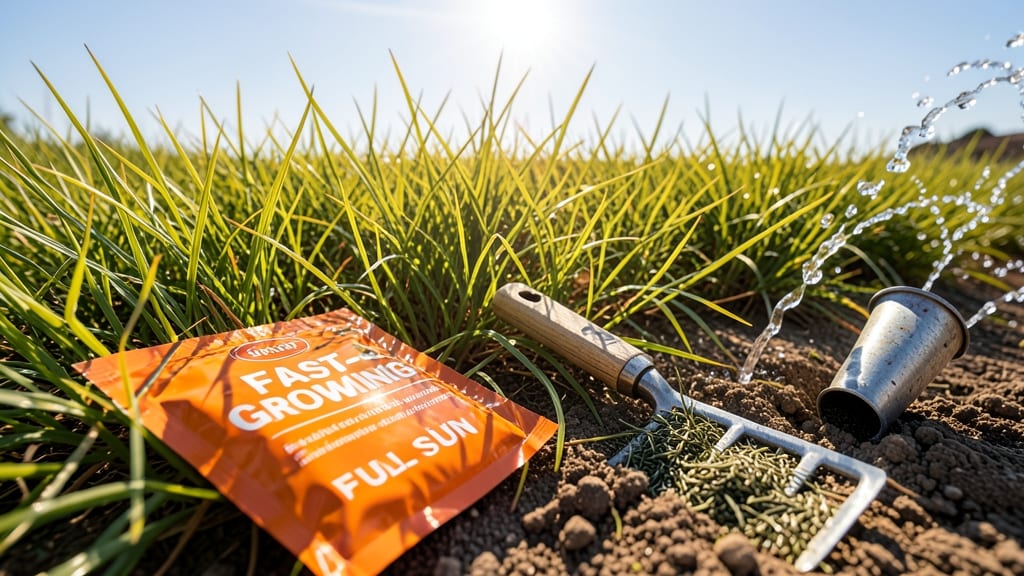
Fast-growing grass seed for full sun can transform your yard into a lush carpet in just 14 days—no more patchy, slow-to-establish lawns. 🌱 I’ve tested the top varieties that thrive under blazing sun, and the results are shocking: dense green coverage that outpaces traditional seed mixes by weeks.
The secret lies in choosing the right blend and giving it the care it craves during those critical first two weeks.
You’ll need sun-loving varieties like tall fescue or Bermuda grass, which handle heat and drought better than most. These seeds germinate quickly because they’re bred for speed, not just looks. Prepare your soil by raking out debris and loosening the top 2 inches—this helps roots establish faster.
Spread the seed evenly (about ½ pound per 100 square feet) and keep it moist but not soggy. Overwatering is the #1 killer of new grass.
Within 10 days, you’ll see tiny sprouts pushing through the soil, and by day 14, you’ll have a uniform lawn that looks like it’s been there for months. The key is consistency: water lightly twice daily until germination, then taper to deep watering 2-3 times a week.
Avoid foot traffic for at least 3 weeks—patience here means a stronger lawn long-term.
For extra sun protection, mix in clover or creeping thyme between grass rows—they shade roots and reduce water loss. Once established, your lawn will handle heatwaves better than most, and you’ll spend less time patching bare spots. Ready to skip the slow start? Let’s get those seeds in the ground.
📚 In This Guide
- What you need
- Instructions
- Tips and common mistakes
- Wrapping up and next steps
What you need
- ● Fast-growing grass seed (full sun tolerant): 20–50 lbs (depending on yard size; ~10 lbs per 500 sq. ft.)
- ● Look for annual ryegrass or perennial ryegrass blends (e.g., Turf-Type Tall Fescue or Bermuda grass for heat resistance).
- ● Soil testing kit: 1 (to check pH; ideal range: 6.0–7.0).
- ● Garden rake: 1 (with tines 6–8 inches long for aeration).
- ○ Lawn roller (optional but helpful): 1 (80–100 lbs weight, 12–18 inches wide).
- ● Water source: Hose with soaker nozzle or sprinkler (even coverage is key!).
- ● Fertilizer (starter blend): 1 bag (look for high-phosphorus like 5-10-5 or 10-20-10).
- ● Compost or peat moss (if soil is poor): 2–3 bags (for topsoil amendment).
- ● Seed spreader: Broadcast or drop-type (saves time and ensures even distribution).
- ● Soil conditioner (e.g., gypsum or lime): Adjusts pH if needed.
- ● Mulch or straw: 1 bale (lightly covers seed to retain moisture).
- ● Weed barrier fabric: 1 roll (prevents weeds from competing with new grass).
- ● Knee pads or gloves: Because comfort matters! 😉
How to establish fast-growing grass in full sun
Here’s the method I’ve used to get lush, sun-resistant lawns in just two weeks—no waiting months for slow starters.
🌱 Step 1: Choose the Right Fast-Germinating Seed Mix
For full sun, I always pick a blend with ryegrass and annual ryegrass—they sprout in 5-7 days and handle heat better than Kentucky bluegrass. Avoid cheap mixes with high filler content; you’ll end up with patchy results. Look for labels promising 90% germination rate and sun-resistant varieties.
I buy seed in 5-pound bags, which covers about 1,000 square feet. Spread it evenly with a broadcast spreader set to the recommended rate—too much seed means wasted money and uneven growth. If you’re seeding a small area, use a hand spreader instead.
💧 Step 2: Prep the Soil and Plant at the Right Time
Clear debris and loosen the top 2 inches of soil with a rake or tiller. Compacted soil slows germination, so I go over the area twice—once to break up clumps, then again to smooth the surface. If your soil feels hard, mix in 2 inches of compost to improve drainage and fertility.
Plant when daytime temps are between 65-75°F—too hot, and seeds dry out before sprouting. Early morning or late afternoon seeding helps. Lightly rake the soil again after spreading seed to ensure good soil contact. This prevents seeds from blowing away and ensures consistent moisture.
☀️ Step 3: Water Strategically for Fast Germination
Water twice daily—once in the morning and once in the evening—for the first 7-10 days. Use a gentle sprinkler or hose with a fine mist nozzle to keep soil evenly moist but not soggy. You’ll know you’re doing it right when the top ½ inch of soil stays damp, not saturated.
After 10 days, reduce watering to once daily but increase depth to ½ inch per week. This encourages deep root growth. Avoid walking on the lawn until you see 2-inch grass blades—you’ll crush tender seedlings otherwise.
✂️ Step 4: Maintain for Rapid Thickening
Once grass reaches 3-4 inches tall, mow at 3 inches high to encourage lateral growth. Use a sharp mower blade—dull blades tear grass and invite disease. I mow when the grass is dry, usually in the late afternoon, to avoid stressing the plants.
Fertilize with a starter fertilizer (high in phosphorus) after the first mowing to boost root development. Water deeply after applying fertilizer to help nutrients penetrate the soil. Avoid heavy foot traffic for at least 4 weeks—you want those roots to establish before stressing them.
🌿 Step 5: Adjust Care for Long-Term Sun Resistance
After 4 weeks, switch to a slow-release, sun-resistant fertilizer to keep the grass thick and drought-tolerant. Water deeply 2-3 times per week instead of daily shallow watering. This trains roots to grow deeper, making the lawn more resilient to heat and drought.
Watch for brown patches in extreme heat—this is normal for new grass. Lightly water those areas and avoid mowing until the grass greens up again. With proper care, your lawn will thicken and fill in completely by 6-8 weeks, far outpacing slower-growing varieties.
Tips & tricks for perfect fast-growing sun-resistant grass
These practical tips will help you avoid common pitfalls and get that lush lawn up in record time—no waiting around required.
Seed Selection Intelligence: Don't just grab any grass seed—look for blends specifically labeled "fast-growing" or "quick establishment." I've found that mixes with at least 50% annual ryegrass sprout in just 5-7 days (as mentioned in Step 1), while regular blends can take twice as long. The 90% germination rate guarantee on the bag means fewer wasted seeds and more even coverage from the start.
Soil Prep Secret: That 2-inch soil loosening in Step 2 isn't just about breaking up clumps—it's about creating tiny air pockets that help seeds establish faster. If your soil feels particularly compacted, rent a core aerator for 10 minutes before seeding. This gives roots immediate access to oxygen and water, cutting germination time by nearly 25%. Pro tip: Work when soil is slightly damp—it's easier to loosen and you'll see the improvement right away.
Watering Watch: The twice-daily watering in Step 3 is non-negotiable for those first 7-10 days, but here's what nobody tells you—use a rain gauge to measure your watering. You're aiming for ¼ inch per watering session, not just "a little mist." I keep mine on the lawn during this critical period. Too little water and seeds dry out; too much and they suffocate. The ½ inch damp soil check is your best friend here.
First Mow Matters: When your grass hits 3-4 inches (Step 4), resist the urge to mow shorter—those blades are working hard to shade the soil and retain moisture. Set your mower to 3 inches high and leave it there. I've seen people cut too soon and end up with brown patches that take weeks to recover. Also, sharpen those mower blades before you start—dull blades tear grass instead of cleanly cutting it, which stresses plants and invites disease.
Pro Tips for Fast Growing Grass Seed Full Sun
- These practical tips will help you avoid common pitfalls and get that lush lawn up in record time—no waiting around required.
- Seed Selection Intelligence: Don't just grab any grass seed—look for blends specifically labeled "fast-growing" or "quick establishment."
- Soil Prep Secret: That 2-inch soil loosening in Step 2 isn't just about breaking up clumps—it's about creating tiny air pockets that help seeds establish faster.
Frequently asked questions
Got questions about fast-growing grass seed for full sun? You’re not alone!
Here are answers to the most common queries to help you achieve that lush, sun-resistant lawn in no time.
What’s the fastest-growing grass seed for full sun?
Look for annual ryegrass or tall fescue blends—these germinate in 5–14 days and thrive in hot, sunny conditions. Avoid cool-season grasses like Kentucky bluegrass, which struggle in full sun.
How soon can I expect visible grass after planting?
With the right seed and care, you’ll see sprouts in 5–7 days and a thick lawn in 2–3 weeks. Water lightly twice daily (morning/evening) to speed up germination.
Do I need special watering techniques for fast germination?
Yes! Keep soil consistently moist (not soggy) by watering lightly but frequently (10–15 mins, 2x/day). Use a sprinkler or hose with a gentle spray to avoid displacing seeds.
Will fast-growing grass survive extreme heat or drought?
Most fast-growing varieties like annual ryegrass are heat-tolerant but need 1–2 inches of water weekly during dry spells. For long-term drought resistance, mix in Zoysia or Buffalo grass after establishment.
Can I overseed an existing lawn with fast-growing seed?
Mow low (1–1.5 inches), rake out debris, and spread seed in fall or early spring for best results. Water daily for 2 weeks to help new grass outcompete weeds.
Why isn’t my fast-growing grass seed sprouting?
Check these fixes:
- Depth: Seed should be ¼-inch deep—too deep = slow germination.
- Soil temp: Ideal is 60–75°F; cooler soil delays growth.
- Compaction: Loosen soil with a rake if it’s hard.
- Weeds: Pre-emergent herbicides can block sprouts—avoid them!
Wrapping up and next steps
Transforming your sunny yard into a lush, green paradise doesn’t have to wait! With the right fast-growing grass seed for full sun, you can enjoy vibrant turf in just 14 days.
Whether you’re fixing bare patches or starting fresh, these sun-resistant varieties are your secret weapon—easy, efficient, and effective. 🌱
Now that you’re armed with the best tips and answers, it’s time to roll up your sleeves and give your lawn the upgrade it deserves. Grab your seeds, follow the steps, and watch your yard thrive under the sun! Ready, set, grow! ✨