
Lawn
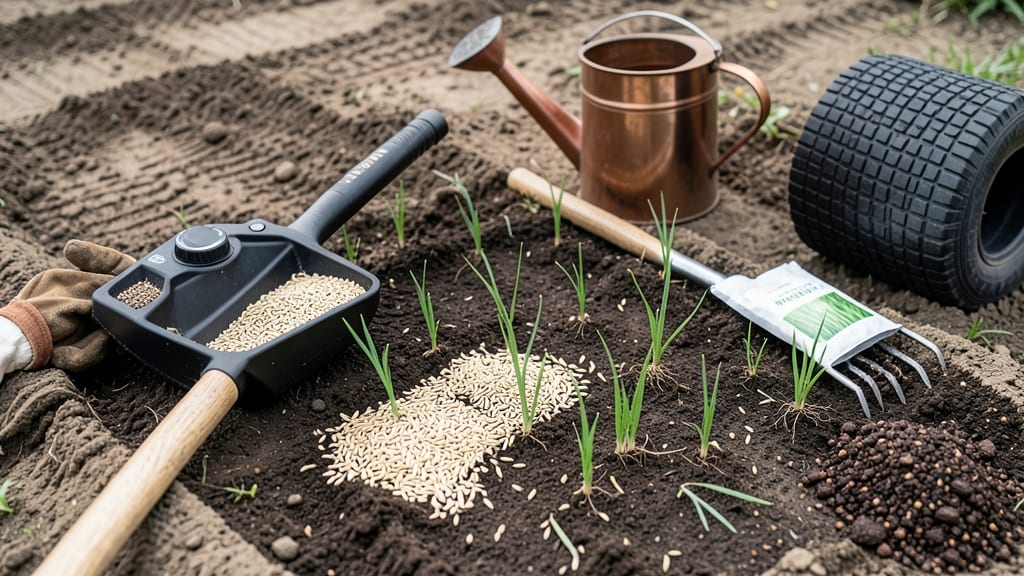
September is the perfect time to plant grass seed when you want a lush, weed-resistant lawn before winter sets in. 🌱 The cooler temperatures and increased rainfall create ideal conditions for seed germination, but timing matters—too late, and frost will halt growth before roots establish.
I’ve planted grass in September for five years now, and the difference between a perfect lawn and a patchy mess often comes down to soil prep and seed choice.
First, test your soil’s pH and nutrients—most grass thrives in slightly acidic soil (6.0-7.0). For cool-season grasses like fescue or ryegrass, aim to plant 4-6 weeks before your first frost date, while warm-season grasses like Bermuda won’t survive September’s chill.
Clear debris, loosen the soil, and spread a starter fertilizer with phosphorus to encourage strong root development.
After planting, water lightly but frequently—keep the top inch of soil moist for the first 2-3 weeks (no puddles!). A sprinkler set on a timer works best, and avoid walking on the new seeds until they’ve sprouted.
By late fall, you’ll see dense, vibrant growth that outcompetes weeds naturally, giving you a head start next spring.
Regional variations matter: Northern gardeners should prioritize cold-hardy grasses, while Southerners might opt for overseeding in early September before temperatures drop. Avoid planting too close to winter—roots need time to harden off. With the right prep, your September planting will reward you with a thicker, greener lawn by spring.
📚 In This Guide
- What you need
- Instructions
- Tips and common mistakes
- Wrapping up and next steps
What you need
- ● Grass seed: Quantity: 3–5 lbs per 100 sq ft (adjust based on seed blend and desired density).
- ● Type: Cool-season grasses (e.g., Kentucky Bluegrass, Tall Fescue, or Perennial Ryegrass) for September planting.
- ● Soil amendment: Compost or organic matter (1–2 inches spread evenly over the area).
- ● Lawn fertilizer: High-phosphorus (P) starter fertilizer (e.g., 10-20-10 ratio) to boost root growth.
- ● Rake: Bow rake or stiff-bristle dethatcher (for leveling soil and removing debris).
- ● Broadcast spreader: Manual or drop-type (for even seed distribution).
- ● Water source: Garden hose with adjustable nozzle or sprinkler (with fine mist setting).
- ○ Straw or erosion control blanket: Optional but recommended for windy areas (use ½–1 inch of straw or biodegradable blankets).
- ● Soil test kit: To check pH and nutrient levels (ideal pH: 6.0–7.0 for most grasses).
- ● Seed germination mat: Black plastic or biodegradable fabric to retain moisture in hot/dry climates.
- ● Lawn roller: Lightweight (e.g., 50–100 lbs) to press seed into soil gently.
- ● Weed barrier fabric: If overseeding an established lawn to block weeds.
- ● Gloves & knee pads: For comfort during prep work!
Step-by-Step instructions for planting grass seed in September
Here's how to leverage September's ideal conditions for thick, resilient lawns.
🌱 Step 1: Prepare the Soil for Optimal Seed Contact
Rake the existing lawn vigorously to create a fine, level seedbed. You want to expose bare soil in patches while leaving established grass blades intact—this creates a natural mosaic where new seeds can germinate without competing with mature turf. I use a stiff-bristled rake to break up any compacted areas, then drag it in one direction to create parallel furrows about ¼ inch deep. This ensures seeds make direct contact with moist soil, which is critical for September germination.
Test soil moisture by squeezing a handful—it should hold together but not be soggy. If dry, water lightly until the top 2 inches feel damp. September's cooler temperatures mean you won't need to water as frequently as in summer, but consistent moisture is non-negotiable during the first 2-3 weeks of growth. A soil thermometer reading between 60-75°F confirms perfect conditions for cool-season grasses.
🌱 Step 2: Distribute Seed Evenly for Uniform Germination
Use a broadcast spreader set to the recommended rate per 1,000 sq ft for your grass type. Walk in overlapping passes to avoid streaks—think of it like snowfall coverage. For my 4,000 sq ft lawn, I divide the seed into four equal portions and spread one section at a time, working from one side to the other. This prevents clumping and ensures every bare spot gets coverage. I always spread perpendicular to my first pass to catch any missed areas.
After spreading, lightly rake again with a leaf rake to press seeds into the soil without burying them. The rule is: no deeper than ¼ inch—any more and they'll struggle to surface. You'll see tiny green shoots emerge within 7-14 days, but don't be alarmed if germination takes longer in cooler September patches. The key is patience; rush watering or digging will disturb the delicate seedlings.
💧 Step 3: Establish Watering Routine for Germination Success
Water immediately after planting to settle seeds into the soil, then maintain 1 inch of water daily for the first 2 weeks. Use a rain gauge or tuna can to measure—your sprinkler might claim to cover 1,000 sq ft, but it's often inaccurate. Break watering into two sessions per day: morning and evening. This prevents evaporation and keeps roots moist without creating mud puddles. You'll know you're doing it right when the soil surface stays consistently damp but not saturated.
After 2 weeks, when seedlings reach 1-2 inches tall, reduce to ½ inch per week. This gradual taper mimics natural rainfall patterns and prevents disease. I set a reminder on my phone for the first 30 days—skipping watering during this period can kill new growth before it establishes. September's cooler temps mean less evaporation, so you'll actually use less water than in summer months.
☀️ Step 4: Protect New Growth from Environmental Stressors
Keep foot traffic off the newly seeded areas for at least 4-6 weeks. Even light walking can uproot tender seedlings. If pets or children can't resist, designate alternative play areas. I place temporary signs and use a lightweight fence to create a buffer zone. September's mild temperatures reduce heat stress, but sudden cold snaps can still occur. If a 32°F or lower forecast appears, cover the area with frost cloth for nights until seedlings reach 3 inches tall.
Watch for weeds competing with new grass—they'll germinate faster than your seed. When seedlings reach 3 inches, apply a pre-emergent herbicide specifically labeled for new lawns. Timing is everything: too early and it'll kill your grass; too late and weeds take over. I always apply in late September when temperatures start dropping below 70°F, which slows weed germination while still allowing grass to establish.
✂️ Step 5: First Mowing and Long-Term Maintenance
Wait until new grass reaches 3-4 inches tall before the first mowing—this ensures roots run deep enough to support the plant. Set your mower blade to 3 inches and never remove more than ⅓ of the blade height at once. I mow when the grass feels slightly springy underfoot, which is my foolproof way to gauge proper height without measuring. After mowing, leave clippings on the lawn—they decompose quickly in September's cool weather and return nutrients to the soil.
Fertilize for the first time 6-8 weeks after germination with a high-nitrogen, slow-release fertilizer (look for 24-0-4 or similar ratios). September's cooler temps mean nutrients break down slower, giving roots time to absorb them without burning. Water deeply after application to help granules settle into the soil. You'll see thicker, darker green growth within 2-3 weeks—that's your reward for timing everything just right.
Tips & tricks for perfect September grass germination
September's cooler temps create ideal conditions for lawn success—here's how to maximize your seed's potential.
Soil Prep Precision: Don't just rake—create those ¼-inch furrows in Step 1 to ensure seed-to-soil contact. I use a stiff-bristled rake to break up compacted areas first, then drag it in one direction to create consistent grooves. This isn't just about loosening soil; it's about creating tiny channels that hold moisture right where seeds need it most. Think of it like making seed beds in a garden—you want maximum surface area for germination.
Temperature Timing: Those 60-75°F soil temps mentioned in Step 1 are your sweet spot for cool-season grasses. I check mine with a soil thermometer before planting—if it's below 60°F, wait a few days. The 70°F threshold for herbicide application in Step 4 is equally critical; applying too early can harm tender seedlings while waiting too long lets weeds gain a foothold. September's mild temps give you that perfect window where grass establishes but weeds don't get aggressive yet.
Watering Watch: The 1 inch daily for 2 weeks in Step 3 requires precision—use a rain gauge or tuna can to measure. I set a timer for my sprinkler and break it into morning and evening sessions to prevent evaporation. Here's what nobody tells you: the soil surface should stay damp but never soggy. You'll know you're doing it right when water penetrates about 2 inches deep—that's how you know it's reaching those newly planted seeds. Too much water creates mud puddles that suffocate seedlings.
Frost Protection: When those 32°F nights roll around in late September (as mentioned in Step 4), don't wait until the last minute for frost cloth. I keep mine ready to deploy the night before a freeze is forecasted. The goal is to protect seedlings that are 3 inches tall or shorter—this is when their delicate stems can't handle frost damage. A lightweight frost cloth lets sunlight through while preventing freezing temperatures from killing new growth.
Pro Tips for Planting Grass Seed In September
- September's cooler temps create ideal conditions for lawn success—here's how to maximize your seed's potential.
- Soil Prep Precision: Don't just rake—create those ¼-inch furrows in Step 1 to ensure seed-to-soil contact.
- Temperature Timing: Those 60-75°F soil temps mentioned in Step 1 are your sweet spot for cool-season grasses.
Frequently asked questions
Got questions about planting grass seed in September?
You’re not alone! Here are the most common concerns—and expert answers—to help you get your lawn looking lush and green.
Is September really the best time to plant grass seed?
September is one of the best months for cool-season grasses (like fescue, ryegrass, and bluegrass) because soil temps are ideal (60–75°F) and rainfall is often consistent. Warm-season grasses (like Bermuda or Zoysia) should wait until spring or late summer, though.
How much water does new grass seed need in September?
Keep soil moist but not soggy! Water lightly 2–3 times daily (about 10–15 minutes per session) for the first 2 weeks. After germination, taper to 1 inch per week. A sprinkler with gentle misting works best—avoid heavy streams that wash seeds away.
What if my lawn already has weeds? Should I kill them first?
Pre-emergent herbicides can harm new grass seed, so skip them before planting. Instead, hand-pull weeds or spot-treat with vinegar (for small patches) after seeding. For stubborn weeds like crabgrass, wait until spring to apply herbicides—just avoid areas where you’ve planted seed.
Can I plant grass seed in September if my yard has shady spots?
Yes! Choose shade-tolerant varieties like fine fescue or creeping red fescue. Test your soil’s moisture levels—shady areas stay damp longer, so water less frequently (every other day) to prevent fungal issues. Mulch lightly with straw to retain moisture without blocking light.
What should I do if my grass seed isn’t germinating after 2 weeks?
Check these first:
- Soil temp: Use a thermometer—if below 50°F, germination slows. Wait or use a row cover for warmth.
- Moisture: Scratch the soil lightly—if dry 1 inch down, water immediately.
- Seed viability: Test a small patch in a sunny spot; if no sprouts, try fresh seed.
Wrapping up and next steps
September is your golden opportunity to grow a lush, vibrant lawn—cool weather and lower competition mean higher success rates! By choosing the right seed, prepping your soil, and staying patient with watering, you’ll set your lawn up for a stunning spring and summer.
The key is consistency: keep an eye on moisture, protect your new seedlings, and soon, you’ll be the envy of the neighborhood with that perfect green carpet underfoot.
Ready to roll up your sleeves? Grab your tools, follow your plan, and watch your lawn transform! Once your grass is established, explore top maintenance tips to keep it thriving year-round. 🌱✨