Lawn
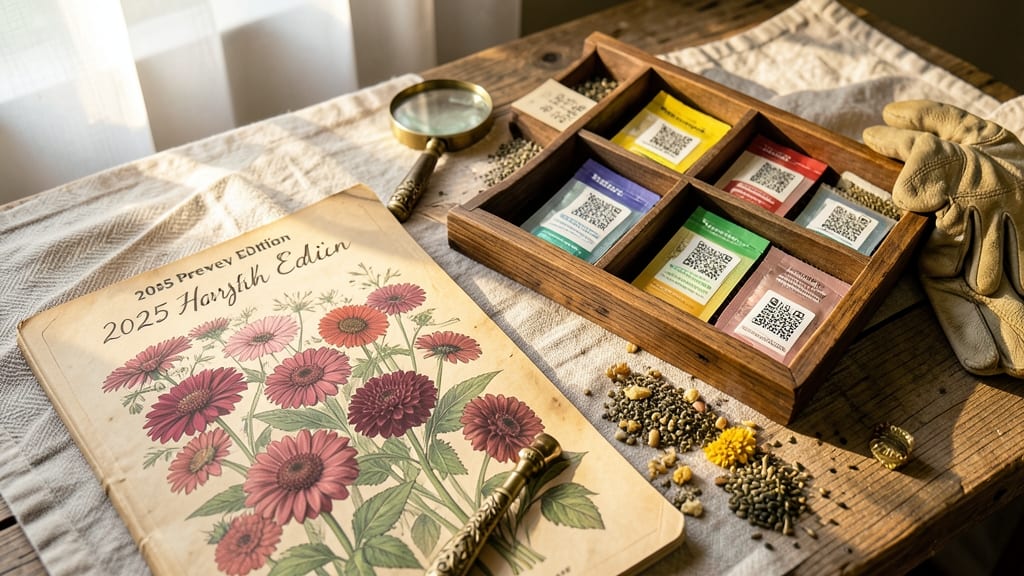
Flower seed catalogs for 2025 just dropped, and they’re packed with varieties that’ll turn your garden into a showstopper. 🌸 I’ve been poring over the pages, and the new disease-resistant cosmos and fragrant evening primrose varieties are absolute game-changers for this season.
The best time to order is now—before your local catalogs sell out or shipping delays hit. Focus on varieties suited to your USDA zone and sunlight conditions. A quick sketch of your garden layout will help you visualize where each bloom will shine brightest.
By late winter, you’ll have seeds ready to start indoors or direct-sow, giving you a head start on the growing season. Imagine walking through a garden bursting with colors you carefully selected—this is your chance to make it happen.
Pro tip: Mark your calendar for seed-starting dates and soil prep. The early birds get the most vibrant gardens, and 2025’s catalogs are giving us the tools to do just that.
📚 In This Guide
- What you need
- Instructions
- Tips and common mistakes
- Wrapping up and next steps
What you need
- ● 2025 Flower Seed Catalogs – At least 1-3 (for variety and comparison) 🌸🌺
- ● High-quality seeds – Choose from heirloom, hybrid, or organic varieties (check catalogs for 2025 exclusives!)
- ● Seed-starting trays or pots – 72-cell trays (for fine seeds) or 4-inch pots (for larger seeds); biodegradable options are eco-friendly!
- ● Seed-starting mix – 10-15 lbs of sterile, well-draining mix (avoid garden soil—it’s too dense!)
- ● Grow lights or sunny windowsill – LED grow lights (full-spectrum, 12-16 hrs/day) or a south-facing window with 6+ hours of sunlight
- ● Misting bottle or spray nozzle – For gentle watering (avoid oversaturating seeds!)
- ● Plastic domes or clear plastic wrap – To retain humidity while seeds germinate
- ● Labels & markers – Waterproof labels + permanent markers to track varieties
- ○ Fertilizer (optional but helpful) – Balanced liquid fertilizer (5-5-5 or 10-10-10) for seedlings
- ● Warmth & patience – Most seeds germinate best at 65-75°F (use a heat mat if needed 🌡️)
- ● Clean workspace – Disinfect trays/pots with 10% bleach solution (1 part bleach to 9 parts water) to prevent mold
- ● Outdoor garden bed or containers – Prepared with compost-rich soil and proper drainage (check your zone’s last frost date! ❄️→🌿)
- ● Gloves & knee pads – For comfort during planting and soil prep
- ● Seedling heat mat – Speeds up germination for slow starters
- ● pH testing kit – Ensures soil is optimal (most flowers prefer 6.0-7.0)
- ● Compost or worm castings – Boosts soil fertility naturally
- ● Trellises or stakes – For climbing flowers like morning glories or clematis
- ● Digital calendar – To track planting dates and deadlines!
How to Choose and order from 2025 flower seed catalogs
Here’s how I narrow down the best varieties and place orders for a garden bursting with color.
🌱 Step 1: Identify Your Garden’s Needs and Climate
First, scan the catalog for varieties suited to your USDA hardiness zone and sunlight conditions—most catalogs list these details. I always highlight heirloom, disease-resistant, or drought-tolerant flowers first since they save time and effort. For example, if you’re in Zone 6, focus on biennials like foxgloves or perennials like coneflowers that thrive in your area.
Check the bloom time too—mix early spring bulbs (like tulips) with summer annuals (like zinnias) for continuous color. I like to jot notes in the margins about height and spread to plan spacing later. This step ensures you won’t end up with oversized sunflowers crowding out delicate petunias.
☀️ Step 2: Compare Varieties and Quantities
Each catalog offers unique exclusive varieties—look for tags like “new for 2025” or “limited edition.” I prioritize color trends (like deep burgundy or bi-color blooms) but also check pollinator appeal—bees and butterflies love native wildflowers, so I always include at least one packet of milkweed or bee balm.
Quantities matter too: a 1/4-pound packet of zinnias might sound small, but it yields 50-100 plants—enough for borders or cutting gardens. I avoid bulk orders unless I’m planting large swaths of a single variety, like cosmos for a wildflower meadow. Always read the plants-per-pound estimates to avoid overbuying.
💧 Step 3: Review Growing Conditions and Care Notes
Pay attention to soil preferences (some flowers hate soggy roots) and water needs (drought-tolerant lavender vs. thirsty impatiens). I circle low-maintenance picks like black-eyed Susans or Russian sage—they thrive with minimal fuss. If your garden has poor soil, look for varieties labeled “adaptable” or “tolerates clay.”
Catalogs often include growing tips like “deadhead for continuous blooms” or “stake tall varieties.” I highlight these in my order notes to remember later. For example, hollyhocks need staking, while marigolds self-seed easily—this helps me plan support structures or succession planting.
⏰ Step 4: Place Your Order Early and Track Shipments
Seed catalogs sell out fast, especially limited-edition varieties—I place orders by late winter to secure the best selection. Most catalogs offer early-bird discounts, so set reminders for deadlines. I also check shipping times (some take 4-6 weeks) and payment plans if ordering multiple packets.
Save your order confirmation with variety names, quantities, and planting dates—I store mine digitally in a folder labeled “2025 Garden.” This way, I can cross-reference with my planting calendar later. If a catalog offers seed-saving tips, I jot those down too—some varieties, like lupines, reward you with free seeds the next year.
🌿 Step 5: Organize Seeds for Planting Success
Once seeds arrive, sort by planting season (spring, summer, or fall) and stratification needs (some, like peonies, need cold treatment). I use small envelopes from the catalog (if included) or label ziplock bags with the variety name, date, and planting depth. For example, snapdragons need 1/8-inch depth, while sunflowers go 1 inch deep—I write this on the bag to avoid mistakes.
Store seeds in a cool, dark place (like a pantry) until ready to sow. I also test germination rates by planting a few early—if they sprout within 7-14 days, the rest are good to go. This step keeps your garden organized and ensures you don’t forget to plant anything!
Tips & tricks for navigating 2025 flower seed catalogs
These insider tricks will help you make the most of this year's exclusive flower seed offerings without the stress.
Zone-Specific Shortcuts: Don't just rely on the USDA zone listed in Step 1—check catalogs for microclimate notes. Some varieties labeled for Zone 6 might thrive in your Zone 5 garden if you're in a protected microclimate. I always note whether my garden has afternoon sun exposure or morning shade, which can push a plant one zone warmer or cooler. This simple adjustment helps me avoid disappointed purchases.
Color Planning Hack: Use the catalog's color charts (many include them) to visualize your garden layout before ordering. I create a rough sketch on graph paper where each square represents a flower's mature height and spread. This prevents the "too much of a good thing" problem where one variety dominates the space. For example, placing a 6-foot hollyhock behind a 2-foot petunia creates perfect layers.
Pollinator Prioritization: When selecting varieties in Step 2, look for the "bee-friendly" or "butterfly magnet" labels—these often appear next to exclusive 2025 varieties. I always allocate at least 20% of my order to pollinator favorites like milkweed or bee balm. Pro tip: Check the catalog's "ecological benefits" section if available—it often lists which varieties support native wildlife best.
Order Organization System: Before placing your order in Step 4, create a spreadsheet with columns for variety name, quantity, planting date, and care notes. I use conditional formatting to highlight limited-edition varieties in red and early-bird discount deadlines in yellow. This visual system prevents last-minute scrambling when catalogs sell out. Save this spreadsheet alongside your order confirmation for easy reference later.
Pro Tips for Flower Seed Catalogs 2025
- These insider tricks will help you make the most of this year's exclusive flower seed offerings without the stress.
- Zone-Specific Shortcuts: Don't just rely on the USDA zone listed in Step 1—check catalogs for microclimate notes. Som...
- Color Planning Hack: Use the catalog's color charts (many include them) to visualize your garden layout before orderi...
Frequently asked questions
Got questions about ordering flower seeds from the 2025 catalogs? You’re not alone! Here are some of the most common concerns—and their straightforward answers—to help you plan like a pro.
When is the best time to order flower seeds for 2025?
Most catalogs recommend ordering 6–8 weeks before your last expected frost (check your USDA zone). For spring blooms, place orders in late winter or early spring (February–March). If you’re growing heat-lovers like zinnias or sunflowers, order by April to ensure timely delivery.
Are flower seed catalogs more expensive than buying seeds online?
Not necessarily! While some specialty catalogs (like Park Seed or Burpee) may have premium pricing, many offer bulk discounts or free shipping on orders over $50. Compare prices with big-box stores or Amazon—catalogs often provide higher-quality seeds and unique heirloom varieties you won’t find elsewhere.
Can I still grow flowers from seeds if I don’t have a garden?
Try container gardening—pots, window boxes, or even hanging baskets work for flowers like petunias, nasturtiums, or dwarf marigolds. Catalogs often label seeds as “container-friendly.” For small spaces, opt for compact varieties and ensure your containers have drainage holes.
What if my seeds arrive late or don’t germinate?
Start seeds indoors 4–6 weeks before transplanting to mitigate delays. If germination fails, check for freshness (older seeds may need scarification or stratification). Contact the catalog’s customer service—they often replace seeds or offer troubleshooting tips. Pro tip: Test a few seeds in damp paper towels first to gauge viability.
Do 2025 catalogs offer eco-friendly or pollinator-friendly seeds?
Yes! Many catalogs now highlight native, non-GMO, and pollinator-friendly varieties (look for labels like “bee-friendly” or “heirloom”). Brands like Baker Creek Heirloom Seeds and Seed Savers Exchange specialize in sustainable options. Filter by “eco” or “wildlife” categories in their online tools for easy browsing.
Wrapping up and next steps
As we look ahead to 2025 flower seed catalogs, the possibilities for transforming your garden into a breathtaking oasis are endless! 🌸 From rare heirlooms to drought-resistant hybrids, this year’s selections promise color, resilience, and beauty that will elevate any outdoor space.
Whether you’re a seasoned gardener or just starting, now is the perfect time to dream big and plan your blooming masterpiece.
Your next step? Browse the latest catalogs, mark your must-have varieties, and start sketching your garden layout. Happy planting—and get ready for a showstopping season! 🌿✨