
Propagation
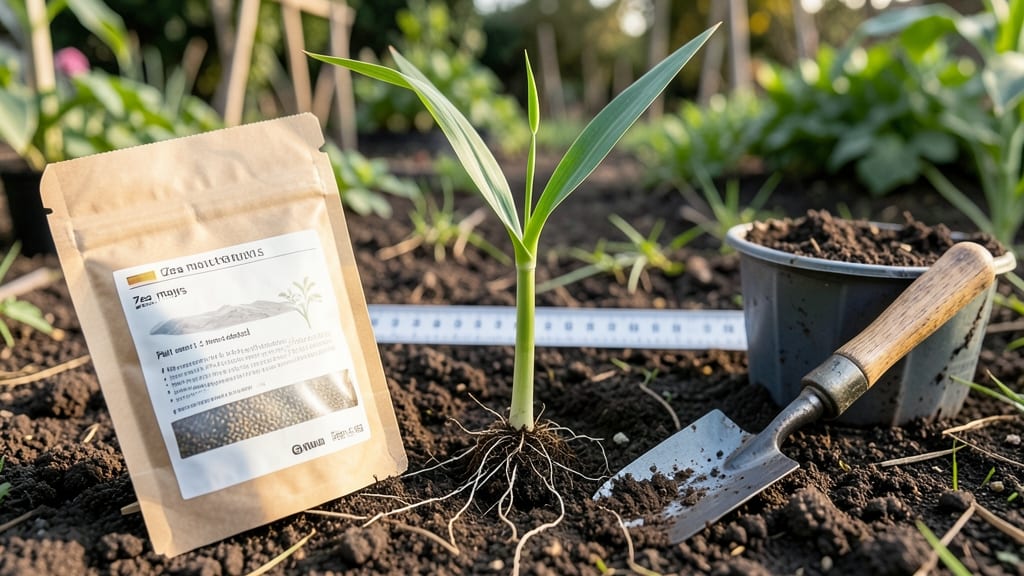
Corn seed germination time thrives when the soil hits 75-85°F—that's the magic window where seeds burst from dormancy in 5-14 days. 🌱 I've watched impatient gardeners pull up perfectly good seeds too soon, only to see them pop a week later.
The key isn't just waiting—it's creating the right conditions so those little roots wake up hungry.
Most varieties follow this timeline: sweet corn and field corn typically sprout in 7-10 days under ideal warmth, while heirloom or specialty corn might take 12-14 days. The difference comes down to genetics and seed age—older seeds germinate slower, like an old battery struggling to turn over.
But don't blame the seed first; check your soil temperature before you fret.
You'll know germination is working when you see tiny white roots breaking through the seed coat, followed by the shoot pushing upward. Keep the soil consistently moist (not soggy) and watch for green hooks—that's when you've got life.
The first true leaves appear around 10-14 days after sprouting, signaling it's time to thin seedlings if you planted too close.
For troubleshooting, remember: cold soil = stalled seeds, dry soil = shriveled embryos, and old seeds = unreliable timing. If you're past day 14 with nothing happening, it's time to replant—don't waste another season waiting on stubborn kernels.
Now let's talk about how to set this up right from the start.
📚 In This Guide
- What you need
- Instructions
- Tips and common mistakes
- Wrapping up and next steps
What you need
- ● Corn seeds: Non-GMO, fresh seeds (preferably from the current or previous year) – 10-20 seeds for testing.
- ● Germination medium: Paper towels – 2-3 sheets (or a seedling tray with peat moss or coco coir for better drainage).
- ○ Optional: A seedling heat mat (70-80°F) to speed up germination.
- ● Spray bottle – For gentle moisture control (avoid soaking!).
- ● Clear plastic bag or dome lid – To maintain humidity (if using paper towels).
- ● Measuring tools: Ruler – To track seed depth (¼ inch max for paper towels).
- ● Thermometer – Ideal range: 65-85°F (optimal: 77°F).
- ● Notebook or app – To log planting date, moisture levels, and sprouting times.
- ● Grow lights or sunny windowsill – 12-16 hours of light/day after sprouting (natural light works too!).
- ○ Small fan (optional) – For gentle airflow to prevent mold (run for 10 mins/day after sprouts appear).
- ● 🌡️ Temperature matters: Use a seedling heat mat if your space dips below 60°F.
- ● 💧 Moisture balance: Keep the medium damp, not soggy—excess water = rot risk.
- ● ✨ Label everything: Use a permanent marker to track seed varieties if testing multiple types.
How to time corn seed germination like a pro
Understanding the science behind corn germination saves time, prevents wasted seeds, and ensures strong starts.
🌱 Step 1: Understand Ideal Germination Conditions
Corn seeds need three key factors to germinate reliably: warm soil, consistent moisture, and proper depth. The ideal soil temperature is 80-95°F—any cooler than 75°F and germination slows dramatically. I always check soil temp with a thermometer before planting; if it's below 60°F, I wait or use a seedling heat mat.
Moisture is critical but tricky—too little and seeds dry out, too much and they rot. The soil should feel like a damp sponge when squeezed; water should bead up on the surface but not pool. I water the planting area the day before sowing to ensure even moisture throughout.
💧 Step 2: Plant at the Correct Depth and Time
Corn seeds germinate best when planted 1-1.5 inches deep—this protects them from drying out while giving roots room to anchor. I use the back of a trowel to create a small furrow, place seeds 6-8 inches apart (closer for sweet corn varieties), then cover lightly with soil. Press gently to ensure good seed-to-soil contact.
Germination typically takes 7-14 days under ideal conditions, but watch for first green shoots—that's your signal to monitor closely. If you're planting in cooler climates, consider using a black plastic mulch to warm the soil faster; I've seen germination speed up by 3-5 days with this method.
☀️ Step 3: Monitor for Sprouting and Adjust Care
Once seeds sprout, they need full sun (6+ hours daily) to prevent leggy, weak seedlings. I stake young plants early if they're in windy areas—corn can topple easily when still tender. The first true leaves (not the initial seed leaves) appear 7-10 days after sprouting, signaling it's time to thin seedlings if needed.
Here's the thing—corn seedlings are sensitive to temperature swings. If nights dip below 50°F, cover them with row fabric until they're established. I've lost entire rows to cold snaps, so I always keep an eye on the forecast after planting.
⏰ Step 4: Troubleshoot Slow or Uneven Germination
If germination takes longer than 14 days, check for dry soil or old seeds—corn seeds lose viability after 2 years. I test viability by soaking seeds overnight; if more than 10% float, they're not worth planting. Also, ensure seeds aren't buried too deep—2 inches deep can delay germination by a week or more.
Uneven sprouting often means inconsistent moisture. I water gently every 2-3 days (unless it rains) to keep soil evenly damp but not soggy. A soil moisture meter helps here—aim for 40-60% moisture at planting depth. If seedlings emerge at different times, thin to the strongest plants to avoid competition.
🌿 Step 5: Transition to Soil Care After Germination
Once 50% of seeds have sprouted, reduce watering frequency but increase volume—deep watering 1-2 times weekly encourages strong root growth. Corn is heavy feeders, so I side-dress with balanced fertilizer (10-10-10) when plants reach 12 inches tall. This boosts growth without burning tender seedlings.
Watch for damping-off (a fungal disease that causes seedlings to collapse) in crowded areas. I space plants properly from the start and avoid overhead watering after germination. If you see yellowing at the soil line, act fast—remove affected plants immediately and improve airflow.
Tips & tricks for perfect corn seed germination timing
These science-backed strategies will help you maximize your sprouting success and avoid common pitfalls that waste seeds and time.
Soil Temperature Precision: The 80-95°F range is non-negotiable for reliable germination. I've learned this the hard way—planting at 70°F can stretch germination to 3 weeks instead of the standard 7-14 days. Use a soil thermometer to verify conditions before planting, and consider a seedling heat mat if your climate can't maintain these temperatures naturally. For cooler climates, black plastic mulch can raise soil temps by 5-10°F, making all the difference in marginal conditions.
Depth Matters More Than You Think: The 1-1.5 inch planting depth mentioned in Step 2 is your sweet spot—any deeper and seeds struggle to break through, any shallower and they dry out. I've seen seeds planted at 2 inches take up to 21 days to sprout versus the standard 10-14 days at proper depth. Use the back of a trowel to create consistent furrows and press gently to ensure good seed-to-soil contact without compacting the soil around them.
Moisture Monitoring System: The damp sponge test is your best friend—soil should hold together when squeezed but not drip water. I've ruined entire seed batches by either underwatering (seeds dry out) or overwatering (seeds rot). For precision, use a soil moisture meter to maintain 40-60% moisture at planting depth. Water the day before sowing to ensure even moisture distribution throughout the root zone.
Viability Test Before Planting: That overnight soak test in Step 4 is a game-changer. I've saved myself countless wasted seed packets by testing viability first—any seeds that float after soaking are non-viable. Remember that corn seeds lose viability after just 2 years, so always check your seed packet date. For maximum success, use seeds from the current or previous year's harvest.
Pro Tips for Corn Seed Germination Time
- These science-backed strategies will help you maximize your sprouting success and avoid common pitfalls that waste se...
- Soil Temperature Precision: The 80-95°F range is non-negotiable for reliable germination. I've learned this the hard ...
- Depth Matters More Than You Think: The 1-1.5 inch planting depth mentioned in Step 2 is your sweet spot—any deeper an...
Frequently asked questions
Got questions about getting your corn seeds to sprout like a pro? You’re not alone—germination can feel like a mystery! Here are answers to the most common questions to help you grow confidently.
How long does it take for corn seeds to germinate?
Under ideal conditions (warmth, moisture, and darkness), corn seeds typically sprout in 7–14 days. Fastest germination happens at 75–85°F (24–29°C), while cooler temps slow it down. Patience is key—don’t disturb the soil until sprouts appear!
What if my corn seeds aren’t sprouting after 2 weeks?
If no sprouts show after 14 days, check these fixes:
- Moisture: Keep soil consistently damp (not soggy). Use a spray bottle if the top layer dries out.
- Temperature: Corn loves warmth. Use a seedling heat mat if your home runs cool.
- Viability: Test a few seeds in a damp paper towel—if they don’t sprout in 3–5 days, they may be old or damaged.
Pro tip: If seeds are 2+ years old, germination rates drop sharply—start fresh!
Can I speed up corn seed germination?
Yes! Try these tricks:
- Soak seeds: Place them in warm water for 6–12 hours before planting to kickstart hydration.
- Warmth boost: Use a germination mat or place the tray on top of the fridge (not inside—corn hates cold!).
- Light (after sprouting): Once sprouts emerge, move them to bright, indirect light to prevent legginess.
Warning: Avoid overwatering—soggy soil suffocates seeds!
Should I plant corn seeds indoors first?
Corn has long taproots, so transplanting can stress seedlings. For best results:
- Direct sow outdoors after the last frost when soil is at least 60°F (15°C).
- If starting indoors: Use biodegradable pots and transplant carefully with the root ball intact. Harden off seedlings for 1 week before moving outside.
Pro tip: If your growing season is short, choose shorter varieties (5–6 ft) for indoor starts.
What can I do with corn seeds that won’t germinate?
Don’t toss them! Try these alternatives:
- Compost them—they’ll break down and enrich your soil.
- Save for crafts: Dry seeds and use them in seed art, bird feeders, or homemade potpourri.
- Buy fresh seeds from a reputable supplier—look for high germination rates (90%+) on the packet.
Bonus: Some heirloom varieties (like Black Aztec) are worth seeking out for unique flavors and better germination!
Wrapping up and next steps
Understanding corn seed germination time is your first step toward a thriving harvest! 🌱 With the right conditions—consistent moisture, warmth, and patience—you’ll see those first sprouts in 5–14 days, setting the stage for lush, healthy plants.
Don’t let hesitation slow you down: grab those seeds, prep your soil, and dive in!
Ready to take the next step? Start testing your soil’s moisture and temperature today—your future cornfield (or dinner table!) will thank you. 🌽✨