Lawn
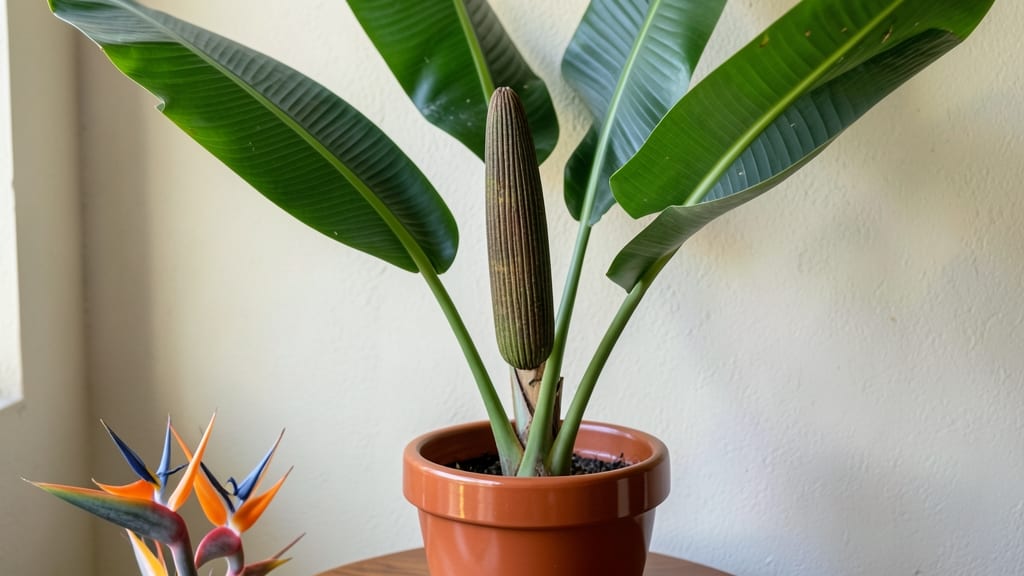
Harvesting bird of paradise seed pods turns last year’s blooms into next year’s plants—with just the right timing and a little patience. 🌱 The moment those papery pods turn brown and begin splitting open, you’ll know they’re ready to collect.
I’ve learned that rushing this process means lower germination rates, so waiting for the pods to fully dry on the plant is key.
Once ripe, carefully twist off the pods and split them open to reveal the large, glossy seeds inside—each one a potential tropical showstopper. The trickiest part? These seeds often need a warm, moist environment to break dormancy, so I soak them in warm water for 24 hours before planting.
This simple step can double your success rate, especially if you’re growing in cooler climates.
After soaking, plant the seeds in a well-draining mix of peat and perlite, keeping the soil consistently moist but never soggy. Within 4-6 weeks, you’ll see the first signs of life—tiny green shoots pushing through the soil.
The real payoff? Young plants that’ll reward you with those iconic orange-and-blue blooms in just a few years.
Fair warning: bird of paradise seeds are slow starters, and not every one will germinate. But when they do, the wait is worth it—imagine growing your own from a seed you harvested yourself. For best results, keep seedlings in bright, indirect light until they’re sturdy enough to handle full sun.
📚 In This Guide
- What you need
- Instructions
- Tips and common mistakes
- Wrapping up and next steps
What you need
- ● Mature bird of paradise seed pods: 3–5 fully ripe pods (orange-brown, slightly papery texture). Pro tip: 🌡️ Harvest when pods are dry but not cracked open!
- ● Sharp pruning shears or garden scissors: 1 pair (sterilized with rubbing alcohol).
- ● Newspaper or paper towels: 2–3 sheets (for drying seeds).
- ● Small mesh bag or breathable container: 1 (for seed storage).
- ● Labeling tags or masking tape + marker: 1–2 (to track seed variety/date).
- ● Gloves: 1 pair (to protect hands from seed pod fibers).
- ● Fine-mesh sieve: 1 (for separating seeds from chaff).
- ● Humidity pack: 1 (if storing seeds long-term).
- ● Camera: 1 (to document your harvest for future reference!).
How to harvest bird of paradise seed pods for next season
With just a little patience, you'll collect seeds that grow into stunning tropical plants.
🌱 Step 1: Identify and Wait for Mature Seed Pods
Bird of paradise pods turn from green to brown when ready—wait until they're completely dry and papery to the touch. I check mine weekly in late fall, tapping pods gently; mature ones rattle with seeds inside. Avoid harvesting green pods—they won't contain viable seeds.
Look for pods that have split open naturally along one side. These reveal the bright orange-red seeds inside, which are your goal. If pods remain closed, they're not ready yet. The drying process takes about 6-8 weeks after flowering, so timing matters.
✂️ Step 2: Carefully Remove and Extract Seeds
Use clean, sharp pruning shears to snip the pod from the stem, leaving a small portion attached. This prevents damaging the plant. Place the pod in a paper bag and seal it loosely—this keeps seeds contained while allowing any remaining moisture to escape.
Once back indoors, gently squeeze the pod over a clean surface. The seeds will pop out easily when fully mature. Discard any seeds that look shriveled or discolored. Store the good seeds in a sealed envelope with a moisture absorber like silica gel or uncooked rice.
💧 Step 3: Prepare Seeds for Planting Next Spring
Bird of paradise seeds need stratification—a cold period to break dormancy. Mix the seeds with slightly damp potting mix in a sealed container, then refrigerate for 4-6 weeks. Check weekly to ensure the mix stays barely moist, not soggy.
After stratification, sow seeds ¼ inch deep in well-draining potting mix under a grow light for 14-16 hours daily. Keep the soil consistently moist but never waterlogged. Germination takes 4-8 weeks, so patience is key—don't disturb the soil while waiting.
☀️ Step 4: Transplant Seedlings for Outdoor Growth
Once seedlings develop 2-3 true leaves, harden them off by placing them outside in partial shade for 2-3 hours daily, gradually increasing exposure over 1-2 weeks. This prepares them for full sun once transplanted.
Choose a sunny, sheltered spot with well-draining soil—bird of paradise hates soggy roots. Transplant after the last frost when nighttime temperatures stay above 55°F. Water deeply after planting to settle the soil around roots.
Tips & tricks for perfect bird of paradise seed pod harvesting
Here's what nobody tells you about turning those pods into next-year's tropical showstoppers.
Timing Secret: The 6-8 week drying period after flowering is non-negotiable. I learned this the hard way after harvesting green pods that yielded no viable seeds. Mark your calendar from the day your plant finishes blooming—this gives you an exact countdown to harvest. If you're in a cooler climate, pods may take the full 8 weeks; warmer areas might see them ready in 6. The key is that rattling sound when you tap them—it's the plant's way of saying "I'm ready!"
Storage Wisdom: That sealed envelope with moisture absorber isn't just for show—it's your seed insurance policy. I've seen seeds lose viability in just days when stored improperly. Place a small packet of silica gel or a tablespoon of uncooked rice in with your seeds to absorb any trace moisture. Store the envelope in a cool, dark place until spring planting. This simple step can mean the difference between thriving seedlings and wasted effort.
Stratification Strategy: When you're mixing seeds with damp potting mix for the 4-6 week cold treatment, don't skimp on the moisture check. The mix should feel like a wrung-out sponge—not dripping, but definitely damp to the touch. I've had batches fail because the mix dried out during refrigeration. Place the sealed container in a plastic bag to create a mini greenhouse effect that maintains humidity without creating mold conditions.
Hardening Off Hack: That 2-3 hour daily partial shade exposure is your seedlings' first taste of real-world conditions. I start with just 1 hour on day one, then add 30 minutes each subsequent day until reaching the full 2-3 hours. This gradual approach prevents shock that can stunt growth. Watch for leaves that look slightly wilted—they're telling you to bring them back in for another day. Once they're handling the full 2-3 hours without stress, you know they're ready for the big move outdoors.
Pro Tips for Bird Of Paradise Seed Pod
- Here's what nobody tells you about turning those pods into next-year's tropical showstoppers.
- Timing Secret: The 6-8 week drying period after flowering is non-negotiable. I learned this the hard way after harves...
- Storage Wisdom: That sealed envelope with moisture absorber isn't just for show—it's your seed insurance policy. I've...
Frequently asked questions
Got questions about harvesting bird of paradise seed pods? You’re not alone! Here are answers to the most common concerns—so you can collect seeds like a pro and set up next year’s tropical beauty for success.
When is the best time to harvest bird of paradise seed pods?
Harvest seed pods when they’re dry and brown (usually late fall to winter). Avoid collecting them too early—they won’t be viable, and too late means they’ll burst open and scatter seeds prematurely. Aim for pods that rattle when shaken (a sign of mature seeds inside!).
How do I know if the seeds inside are still good?
Fresh seeds should be plump, dark brown, and slightly shiny. If they’re shriveled, light-colored, or crunchy, they’ve lost viability. For a quick test, soak a few seeds in water for 24 hours—if they sink, they’re likely good to plant! Pro tip: Store viable seeds in a cool, dry place (like a paper envelope) for up to 6 months.
What should I do if my seed pods won’t open naturally?
If pods stay stubbornly closed, try these tricks:
- Freeze them: Place pods in a plastic bag and refrigerate for 2–3 days to mimic winter’s natural drying process.
- Gently crack them: Use a hammer or mallet on a hard surface (wear gloves!) to tap them open carefully.
- Soak in warm water: Submerge pods for 1–2 hours to soften the fibers—then shake out the seeds.
Can I grow bird of paradise from seed pods in my climate?
Bird of paradise (Strelitzia spp.) thrives in USDA Zones 9–11 and needs warmth, humidity, and full sun. If you’re in a cooler zone, start seeds indoors (6–8 weeks before last frost) or grow them as container plants that you bring inside during winter. Fun fact: Some gardeners overwinter potted plants in greenhouses or garages!
What’s the fastest way to germinate bird of paradise seeds?
Germination can take 3–6 months—patience is key! To speed things up:
- Soak seeds in warm water for 24 hours before planting.
- Use a well-draining mix (50% peat moss, 50% perlite).
- Keep soil consistently moist (not soggy!) and maintain 70–75°F temperatures.
- Cover pots with plastic wrap to retain humidity until sprouts appear.
Wrapping up and next steps
Harvesting bird of paradise seed pods doesn’t have to be a daunting task—with the right timing, tools, and care, you can ensure healthy growth for next season! 🌱 Remember, patience and precision pay off, whether you’re saving seeds for propagation or simply enjoying the plant’s stunning blooms. Now that you’re equipped with the know-how, why not share your new skills with fellow gardeners or try growing a few more tropical plants?
- Next step: Mark your calendar for late fall to harvest seed pods or early spring for new plantings.
- Bonus tip: Snap a photo of your progress—garden journals make great keepsakes!