
Planting
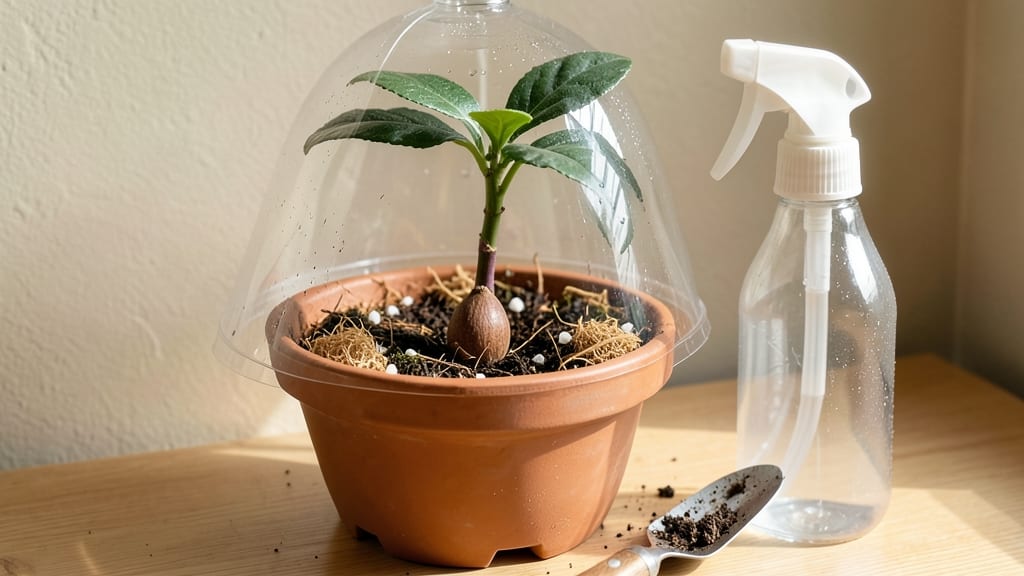
Planting a mango seed in a pot unlocks a tropical adventure right on your windowsill—though it takes real patience. 🌱 I’ve watched my first seedling struggle through three months of slow growth before finally breaking through the soil, and it was worth every day of waiting.
The trick isn’t just planting; it’s creating the right conditions to coax that stubborn seed into life. You’ll need a small pot with drainage, a mix of sand, perlite, and potting soil (never just garden dirt), and a warm, bright spot—like a sunny windowsill or under grow lights.
The seed needs moisture but hates soggy soil, so balance is key. Too much water? Mold wins. Too little? The seed dries out before germinating. I learned that the hard way after losing two starts to rot.
Once it sprouts, you’ll see a tiny white root first, followed by a shoot that looks like a toothpick. Keep the soil lightly moist and fertilize only after the second set of leaves appear—too soon, and you’ll burn the delicate roots.
By 6 months, you might have a 6-inch sapling, but don’t expect fruit anytime soon. These trees take 5-10 years to bear mangoes, but the journey is the joy. This method works for indoor growers in any climate, though outdoor transplants need protection from frost. The real reward?
Watching your kitchen turn into a jungle—and maybe, someday, tasting a mango you grew from a seed.
📚 In This Guide
- What you need
- Instructions
- Tips and common mistakes
- Wrapping up and next steps
What you need
- ● Mango seed: 1 fresh, plump seed (preferably from a ripe, organic mango for best results).
- ● Pot: 1 small pot (4–6 inches in diameter) with drainage holes. Tip: Terracotta or plastic pots work well!
- ● Potting mix: 1 bag of well-draining, sterile soil blend (e.g., cactus/succulent mix or a 50/50 mix of potting soil and perlite/sand).
- ● Watering can or spray bottle: For gentle hydration without over-saturating the soil.
- ○ Plastic wrap or humidity dome: Optional but helpful for creating a mini greenhouse effect during germination.
- ● Toothpick or skewer: To poke a small hole for the seed (if needed).
- ● Seedling heat mat: Keeps soil warm (70–85°F) to speed up germination.
- ● Fertilizer: A balanced, water-soluble fertilizer (e.g., 10-10-10) for later growth stages.
- ● Grow lights: If your space lacks natural sunlight, LED grow lights can support early growth.
- ● Label or marker: To track planting dates and care notes.
Step-by-step instructions for growing a mango seed in a pot
Here’s how to turn a mango pit into a thriving houseplant—no green thumb required.
🌱 Step 1: Extract and Prepare the Seed
Start with a fresh, plump mango pit—avoid dried or cracked ones. Rinse it under warm water to remove any fruit residue, then let it air-dry completely for 24 hours. This prevents mold and rot during germination. I like to scrub the pit gently with a soft brush to remove stubborn flesh, but don’t soak it.
Place the pit between two paper towels, fold them over, and store in a sealed plastic bag. Keep it in a warm spot (75-85°F)—a sunny windowsill or near a heat source works well. Check daily and mist lightly if the towels dry out. You’ll see tiny white roots in 7-14 days, signaling it’s ready for planting.
🪴 Step 2: Choose the Right Pot and Soil
Use a 4-6 inch pot with drainage holes—mango seeds hate soggy roots. Fill the bottom 1 inch with small pebbles or perlite to improve drainage. For soil, mix 50% potting mix with 50% perlite or coconut coir to keep it airy. Mango seeds need loose, well-draining soil to prevent rot.
Plant the seed 1 inch deep, roots facing down, with the flat side up. Press the soil lightly around it—don’t pack it down too firmly. Water gently until moisture reaches the bottom of the pot, but avoid soaking. Let excess water drain completely before placing it in a warm, bright spot (no direct sun yet).
☀️ Step 4: Provide Ideal Light and Humidity
Once the seedling sprouts (3-6 weeks), move it to bright, indirect light for 6-8 hours daily. A south-facing window works, but avoid harsh midday sun—it can scorch delicate leaves. If growth slows, supplement with a grow light kept 6 inches away for 12 hours daily. You’ll know it’s happy when new leaves appear every 2-3 weeks.
Mango seedlings love humidity. Place the pot on a tray of pebbles with water, or mist the leaves 2-3 times weekly. Grouping plants together also helps—condensation from one pot benefits the others. Watch for yellowing leaves, which means it’s too dry or needs more light.
💧 Step 5: Water and Fertilize for Strong Growth
Wait until the top 1 inch of soil feels dry before watering—overwatering is the #1 killer of young mango seedlings. Use room-temperature water and pour slowly at the base to avoid disturbing roots. Let excess water drain for 15 minutes before returning the pot to its saucer.
After 3 months, switch to a balanced liquid fertilizer (like 10-10-10) diluted to half strength. Feed every 4 weeks during spring and summer—skip winter. You’ll notice darker green leaves and faster growth within weeks. If the pot feels root-bound (roots circling the bottom), repot into a 6-8 inch container with fresh soil.
Tips & tricks for perfect mango seed germination
Here's what nobody tells you about growing a mango tree from seed—these tricks will help you avoid common pitfalls and get better results.
Germination Warmth: The 75-85°F range is crucial for breaking dormancy, but not all heat sources are equal. I've found that placing the bagged seed near a sunny window during the day and moving it to a slightly warmer spot (like on top of the fridge) at night speeds up germination by 3-4 days. Avoid direct heat sources like radiators, which can dry out the towels too quickly.
Seedling Light Transition: When your seedling first sprouts after 3-6 weeks, resist the urge to move it to full sun immediately. Start with bright, indirect light for at least 2 weeks before introducing direct sunlight. I've seen seedlings get sunburned within hours of direct exposure—look for pale or crispy leaf edges as warning signs.
Soil Moisture Balance: The top 1 inch dry rule is perfect, but how you check matters. Stick your finger about 1 inch deep—if it feels dry halfway down, that's your cue. I've ruined seedlings by overwatering because I relied on the surface feeling dry. Also, always water at the base to avoid wetting the leaves, which can lead to fungal issues.
Root Development Watch: After the initial 3 months, gently check for root-bound conditions by sliding the seedling out of its pot. If you see roots circling the bottom or growing out of drainage holes, it's time to repot. I've found that mango seedlings often need their first repot sooner than expected—sometimes as early as 4 months in—because they grow surprisingly fast once established.
Pro Tips for Plant Mango Seed In Pot
- Here's what nobody tells you about growing a mango tree from seed—these tricks will help you avoid common pitfalls an...
- Germination Warmth: The 75-85°F range is crucial for breaking dormancy, but not all heat sources are equal. I've foun...
- Seedling Light Transition: When your seedling first sprouts after 3-6 weeks, resist the urge to move it to full sun i...
Frequently asked questions
Got questions about growing a mango tree from seed? Here are some of the most common ones—and their answers—to help you succeed!
How long does it take for a mango seed to sprout?
A mango seed typically takes 2–4 weeks to sprout after planting, depending on warmth and moisture. Keep the soil consistently damp (not soggy) and place the pot in a warm spot (70–90°F). Patience is key—some seeds may take up to 6 weeks to crack open! If nothing happens after a month, gently check for mold or rot and adjust care.
Can I plant a mango seed directly in the ground instead of a pot?
While possible, starting in a pot first is easier for young seedlings. Mango trees are tropical and need protection from frost. Use a pot for the first 1–2 years, then transplant outdoors in a warm climate (USDA Zones 10–11). If you live in a cooler zone, keep it in a pot and bring it indoors during winter.
Will my mango tree grow fruit from the seed?
Most likely, no—but don’t be discouraged! Seed-grown mango trees often take 5–10 years to bear fruit, and the fruit may not match the parent tree’s variety. For faster, predictable results, graft a known cultivar onto your seedling later. Even if it doesn’t fruit, the tree makes a stunning ornamental plant!
What if my mango seed sprouts but the leaves turn yellow?
Yellow leaves usually signal overwatering, poor drainage, or nutrient deficiency. Let the top inch of soil dry out between waterings, and ensure the pot has drainage holes. If the soil feels compacted, repot with fresh, well-draining potting mix. A light dose of balanced fertilizer (10-10-10) can also help revive weak seedlings.
Can I use any pot for my mango seedling?
Choose a pot with drainage holes (at least 4–6 inches deep) to prevent root rot. Plastic or terracotta works, but terracotta dries faster. Avoid small pots—your seedling will need up to 12 inches of space within a year. Add a layer of pebbles at the bottom for extra drainage if your pot lacks holes.
Wrapping up and next steps
Growing a mango tree from seed is a rewarding journey that brings a touch of the tropics to your home! With the right patience, care, and these simple tricks, you’ll soon watch your seedling sprout into a thriving plant.
Remember, success comes from consistency—keep your soil moist, provide bright light, and stay gentle with your young sapling.
Ready to take the next step? Once your mango seedling reaches 6-12 inches tall, consider transplanting it into a larger pot or even your garden (if your climate allows!). Celebrate your green thumb—you’re officially on your way to tropical success! 🌱✨