
Lawn
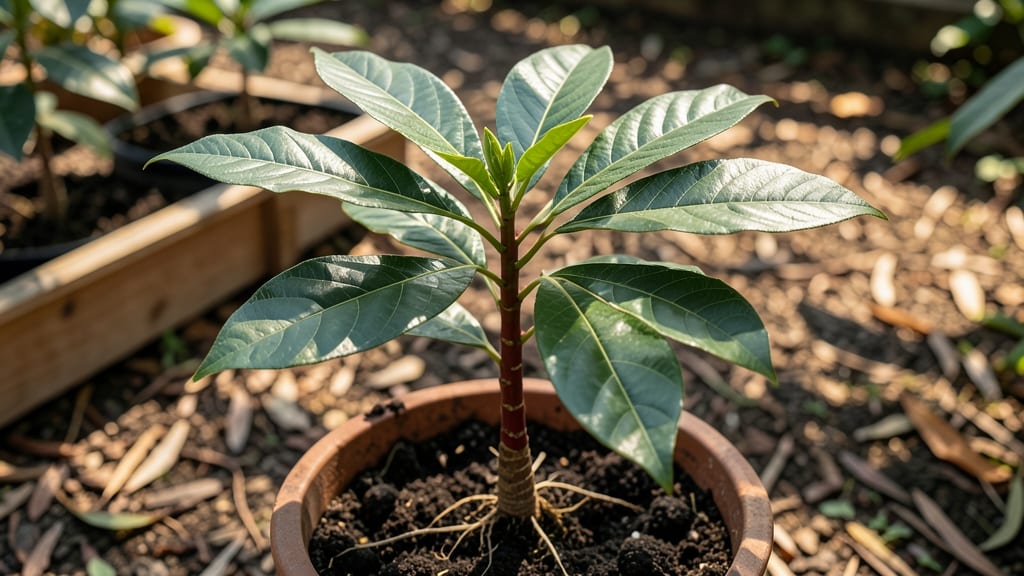
The seed growth stages of a mango seedling could reveal your first sprout in just 10 days—if you nail the germination stage. 🌱 I learned the hard way that patience and the right conditions are everything when coaxing those tiny roots to life from a grocery store pit.
The journey from sprout to sapling unfolds in surprising stages, each with its own quirks and care requirements.
Those first delicate leaves won’t look much like a mango tree, but they’re the foundation. Within 60 days, you’ll see true leaves develop, and with proper care, your seedling will grow 6-12 inches tall—though it might take years before you see flowers.
The key is keeping soil consistently moist (not soggy) and providing bright, indirect light from the start.
By month 3, you’ll notice thicker stems and more complex leaf structures—this is when most beginners make the mistake of transplanting too early. Wait until your seedling has 4-6 true leaves and is at least 6 inches tall before moving it to a larger pot or garden bed.
The roots will thank you with faster growth and fewer setbacks.
Here’s the plot twist: most homegrown mango trees from seed take 5-10 years to fruit, but the journey is where the real satisfaction comes. Each stage—from that first crack in the seed shell to the first signs of flowering—teaches you more about plant resilience than any store-bought sapling ever could.
📚 In This Guide
- What you need
- Instructions
- Tips and common mistakes
- Wrapping up and next steps
What you need
- ● Mango seeds: 3–5 fresh, plump seeds (preferably from a ripe, organic mango). Pro tip: 💡 Avoid seeds from hybrid or grafted mangoes—they may not grow true to type!
- ○ Small pots or containers: 3–5 biodegradable pots (4–6 inches deep) or plastic cups with drainage holes. Optional: 🌱 Use coconut coir pots for easy transplanting!
- ● Potting mix: 1–2 bags of well-draining seed-starting mix (avoid garden soil—it’s too dense!). Add perlite or vermiculite (10–20%) for aeration.
- ● Watering can or spray bottle: With a fine mist nozzle for gentle hydration.
- ● Plastic wrap or clear lid: To create a mini greenhouse effect (for humidity).
- ● Grow lights or sunny windowsill: A full-spectrum LED grow light (12–16 hrs/day) or a south-facing window (6+ hours of sunlight).
- ● Fertilizer: A balanced liquid fertilizer (e.g., 10-10-10) or organic options like fish emulsion (diluted to half-strength). Wait until sprouts appear before fertilizing!
- ● Scissors or knife: For trimming seeds (if needed) and pruning later.
- ● Twine or small stakes: To support seedlings as they grow taller.
- ○ Temperature: Keep seeds warm (70–85°F / 21–29°C). Use a seedling heat mat (optional) 🔥 if your home runs cool.
- ● Humidity: Maintain 70–80% humidity for the first 2–3 weeks.
- ● Patience: Germination can take 2–6 weeks—stay consistent!
- ● Space: Ensure your growing area has room for saplings to reach 3–5 feet tall in 60 days.
How to monitor mango seed growth through key developmental stages
Watch your mango seed transform from a tiny sprout into a sturdy sapling in just two months.
🌱 Step 1: Germination (Days 0-14)
Start by soaking your mango pit in warm water for 24 hours to soften the hard outer shell. Plant it 1 inch deep in a 4-inch pot filled with a mix of 50% potting soil and 50% perlite—this prevents rot while allowing roots to breathe. Keep the soil consistently moist but never soggy, as excess water drowns delicate roots.
Place the pot in a warm spot (75-85°F) with indirect light. A seedling heat mat speeds germination, but a sunny windowsill works too. Within 7-14 days, you’ll see the first cotyledons (the seed leaves) push through the soil. These look like tiny, rounded leaves—your first sign of success. If nothing emerges after 2 weeks, gently check for rot by peeling back the soil.
🌿 Step 2: Early Leaf Development (Days 15-30)
Once the cotyledons unfurl, move the seedling to bright, indirect light—direct sun now will scorch tender leaves. You’ll notice true leaves (small, serrated edges) emerging within 10-14 days. These mark the transition from seedling to real plant. Water only when the top inch of soil feels dry, using room-temperature water to avoid shocking the roots.
At this stage, the stem will strengthen and the leaves will darken to a deeper green. If the seedling grows leggy (stretching toward light), it needs more intensity. A grow light 6 inches above the plant for 12 hours daily corrects this. Avoid fertilizing yet—young roots are sensitive to nutrients.
☀️ Step 3: Root and Stem Maturation (Days 31-45)
By day 30, the sapling should have 4-6 true leaves and a thicker stem (about 6 inches tall). Gently tug on the plant—if resistance meets your fingers, roots are anchoring well. If it pulls free, it needs 1-2 more weeks of care before transplanting. Repot into a 6-inch container with fresh well-draining soil to accommodate growing roots.
Increase sunlight gradually—3-4 hours of morning sun first, then full sun by day 45. Watch for yellowing leaves, a sign of overwatering or nutrient deficiency. Reduce watering slightly if the soil stays damp longer than usual. A balanced liquid fertilizer (5-5-5) diluted to half-strength can be applied now to support stem growth.
✂️ Step 4: Sapling Readiness (Days 46-60)
By day 60, your sapling should stand 12-18 inches tall with a woody stem and 8-10 mature leaves. Test readiness for outdoor planting by placing it outside in partial shade for 2 hours. If it doesn’t wilt or drop leaves, it’s hardened off. Choose a permanent spot with full sun (6+ hours daily) and well-draining soil—mangoes hate soggy roots.
Transplant on a cloudy day to reduce stress. Dig a hole twice as wide as the root ball but no deeper. Water deeply after planting to settle the soil. Mulch with 2 inches of organic matter (like shredded bark) to retain moisture and protect roots. Prune any yellow or damaged leaves immediately to encourage new growth.
Tips & tricks for perfect mango seed growth
Transforming a mango pit into a thriving sapling reveals nature's patience—here's how to give it the best start.
Soaking Strategy: After the initial 24-hour soak, rinse the pit thoroughly before planting to remove any residual sugar that could attract mold. I've learned this the hard way—moldy pits mean no sprouts! Place the pit in a small mesh bag during soaking to prevent it from floating away or getting lost in the water.
Lighting Secrets: That 12-hour daily grow light isn't just about duration—position it so it's always 6 inches above the tallest point of your seedling. I use a simple clothespin to hang it from a shelf, creating consistent distance. Watch for leaves growing toward the light source; this tells you it's time to rotate the pot every few days for even growth.
Transplanting Timing: When you're ready to move your sapling to a 6-inch container around day 30, water it thoroughly first. The roots will be more flexible and less likely to break during the transfer. Gently loosen the root ball by pressing around the edges of the original pot before lifting it out—this prevents root damage and helps establish faster in the new soil.
Hardening Off: For that crucial 2-hour outdoor test between days 46-60, start with just 1 hour on the first day. Gradually increase by 30 minutes each subsequent day until you reach the full 2 hours. This slow acclimation prevents shock and gives you time to notice any stress signs like wilting or leaf drop before committing to full sun exposure.
Pro Tips for Mango Seed Growth Stages
- Transforming a mango pit into a thriving sapling reveals nature's patience—here's how to give it the best start.
- Soaking Strategy: After the initial 24-hour soak, rinse the pit thoroughly before planting to remove any residual sug...
- Lighting Secrets: That 12-hour daily grow light isn't just about duration—position it so it's always 6 inches above t...
Frequently asked questions
Got questions about growing mango seeds? You’re not alone! Here are some of the most common queries—and their straightforward answers—to help you navigate from seed to sapling like a pro.
How long does it take for a mango seed to germinate?
A mango seed typically takes 15–30 days to germinate, depending on temperature, moisture, and seed viability. Warmth (70–85°F) and consistent dampness speed up the process. If you don’t see sprouts in 4–6 weeks, the seed may be dormant or non-viable. Pro tip: Soak seeds overnight before planting to kickstart germination!
What’s the best temperature for growing mango seeds?
Mango seeds thrive in warm conditions (75–90°F). If your climate is cooler, start seeds indoors near a sunny window or use a seedling heat mat. Avoid cold drafts or temperatures below 60°F, which can stunt growth or kill the seedling. Pro tip: A mini greenhouse or plastic wrap over the pot traps heat and humidity!
Can I grow a mango tree from any seed, or do I need a special one?
You can grow a mango tree from any edible seed, but results vary! Store-bought mango seeds may produce a tree with different fruit quality (smaller, less sweet, or even inedible) compared to grafted varieties. For better outcomes, use seeds from ripe, organic mangoes or buy a grafted sapling from a nursery.
Why isn’t my mango seed sprouting?
Common reasons include:
- Old or dried-out seeds: Use fresh seeds from ripe mangoes.
- Poor moisture control: Keep soil consistently damp (not soggy).
- Cold temperatures: Mango seeds need warmth to germinate.
- Low viability: Some seeds are sterile or damaged.
Try soaking the seed in water for 24 hours or scratching the outer shell lightly to encourage sprouting. If all else fails, test another seed!
How do I transplant a young mango seedling outdoors?
Wait until the seedling has 3–4 true leaves and is at least 6–8 inches tall. Harden it off by placing it outdoors for gradual exposure (1–2 hours daily) over 1–2 weeks. Choose a well-draining spot with full sun (6+ hours daily) and transplant after sunset. Water thoroughly and mulch to retain moisture. Pro tip: Avoid transplant shock by keeping the root ball intact!
Wrapping up and next steps
From a tiny seed to a thriving sapling, growing a mango tree from scratch is a rewarding journey filled with patience, curiosity, and care! 🌱 You’ve now uncovered the 6 key stages—from sprouting to establishing roots—along with tips to nurture your seedling like a pro.
Whether you’re a gardening beginner or a green-thumb enthusiast, every little effort brings you closer to a future mango harvest (or a stunning ornamental tree!). Ready to take the next step? Start by planting your pre-soaked seed in well-draining soil and give it the love it deserves.
Watch it grow, learn from each stage, and soon, you’ll be sharing your mango-growing wisdom with others! 🌟