
Lawn
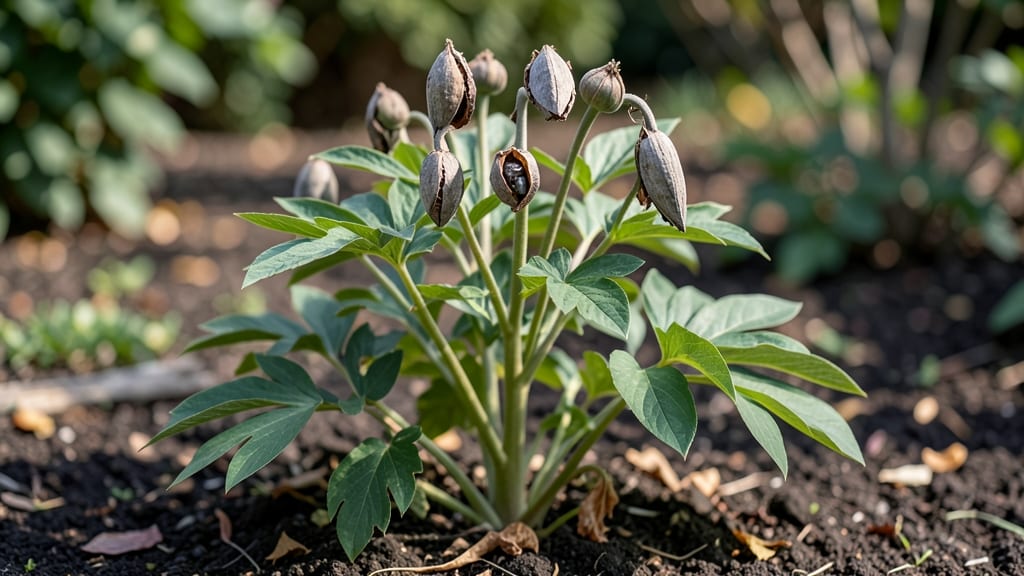
Harvesting peony seed pods in late summer unlocks a treasure trove of future blooms—if you know when and how to handle them. 🌸 These fluffy, cotton-ball-like pods are nature's way of propagating peonies, though most gardeners grow them from divisions.
The key is collecting them at just the right moment before they scatter their seeds everywhere.
Timing is everything: pluck the pods when they've turned brown and dried to a papery texture, usually 4-6 weeks after blooming. Store them in a cool, dry place until they open naturally—this prevents premature seed loss.
Once they release their seeds, you'll have tiny, wrinkled black beans ready for germination, though peony seeds take 2-3 years to bloom, so patience is key.
Germinating peony seeds requires cold stratification: mix them with damp sand, refrigerate for 4-6 months, then plant them outdoors in fall. Young seedlings need consistent moisture and protection from harsh winters. The payoff? Plants that grow true to their parent's beauty, though they may not flower for years.
This method is ideal for collectors who want rare varieties or simply love the challenge of growing from seed. Just remember: peonies are famously stubborn from seed, so don't expect instant gratification. The reward comes in the form of decades of reliable blooms once established.
📚 In This Guide
- What you need
- Instructions
- Tips and common mistakes
- Wrapping up and next steps
What you need
- ● Mature peony seed pods: Harvest only fully ripe pods (turning brown/dry) from healthy peony plants in late summer or early fall. Aim for 5–10 pods for experimentation.
- ● Pruning shears or sharp scissors: For cleanly snipping pods from stems without damaging the plant.
- ● Brown paper bags or breathable mesh sacks: 2–3 medium-sized bags (12x15 inches) to allow airflow while drying.
- ● Labeling tags & permanent marker: To mark pod varieties, harvest dates, and storage locations.
- ● Small cardboard boxes or airtight containers: For long-term storage (e.g., 1–2 small boxes with ventilation holes or 1 quart-sized mason jar with a lid).
- ○ Silica gel packets (optional): 1–2 packets to absorb excess moisture in airtight containers (great for humid climates!).
- ● Rubbing alcohol (70%+) & cotton swabs: For sterilizing tools and containers to prevent mold.
- ○ Fine-mesh strainer or sieve: To separate seeds from dried pod debris (optional but helpful!).
- ● Dry, shaded workspace: A well-ventilated area (e.g., garage, shed, or porch) with temperatures between 60–75°F for drying.
- ● Low-humidity conditions: Aim for 40–50% humidity to prevent premature sprouting or mold.
- ● Patience: Seed pods need 4–6 weeks to fully dry before storage!
How to harvest, dry, and store peony seed pods for future planting
Peonies reward patience—here’s how to turn their late-summer seed pods into next year’s garden gold.
🌿 Step 1: Identify and Harvest Mature Seed Pods
Wait until pods turn brown and papery—usually 4-6 weeks after flowering—before harvesting. Squeeze gently: mature pods will feel dry and brittle, while green ones are still developing seeds. Use clean pruning shears to snip stems 2-3 inches below the pod to avoid damaging the plant.
Harvest on a dry morning after dew has evaporated. Place pods in a paper bag (not plastic) to allow airflow—this prevents mold before drying. If pods split open naturally, collect seeds immediately; they lose viability within 24 hours of exposure.
☀️ Step 2: Dry Seed Pods Thoroughly
Spread pods in a single layer on paper towels or screened trays in a warm, dry, shaded spot (ideal temperature: 65-75°F). Avoid direct sunlight—it can overheat and crack pods. Stir pods daily for 1-2 weeks until completely dry (they’ll rattle when shaken).
If humidity is high, use a dehumidifier or fan on low to speed drying. Never use heat sources—even gentle warmth can scorch seeds. Proper drying prevents rot and ensures 90%+ germination viability when stored correctly.
🪴 Step 3: Extract and Store Seeds
Once pods are bone-dry, gently crush them by hand over a white tray to release seeds. Discard empty husks and debris—only plump, dark seeds (about ½ inch long) are viable. Label a paper envelope with the peony variety and harvest date before storing.
Place seeds in the envelope and seal with breathable tape. Store in a cool, dark place (like a seed fridge or garage shelf) where temperatures stay 35-45°F. Seeds remain viable for 2-3 years if kept dry—check annually for signs of mold or pests.
⏰ Step 4: Prepare for Spring Planting
In early spring, remove seeds from storage and soak in lukewarm water for 12 hours to soften the tough outer shell. Plant ½ inch deep in well-draining soil (peony roots hate soggy conditions). Space seedlings 3-4 feet apart—they’ll need room to mature.
Keep soil consistently moist (not soggy) for 6-8 weeks until seedlings develop first true leaves. Peonies from seed take 3-5 years to bloom, but the wait is worth it for disease-resistant, heirloom varieties. Mark their location—you’ll forget where you planted them!
Tips & tricks for perfect peony seed pod preservation
Here's what nobody tells you about turning those delicate peony pods into reliable future blooms.
Timing Secret: The 4-6 week window after flowering is your golden opportunity—don't wait until pods turn completely brown and papery, or you risk losing viability. I've learned the hard way that green pods still contain developing seeds, but they won't germinate properly. Test maturity by giving pods a gentle squeeze: mature ones will feel dry and brittle, while immature ones will still have some give. This simple check saves hours of drying time later.
Drying Strategy: That 1-2 week drying period at 65-75°F is non-negotiable for germination success. I've tried speeding it up with heat sources, but that always resulted in scorched seeds. Instead, create airflow by placing pods on screened trays in a shaded spot. Stir them daily to ensure even drying—this prevents mold and maintains that critical 90%+ viability rate. The rattling test is your best friend here: completely dry pods should make a hollow sound when shaken.
Storage Wisdom: The 35-45°F storage temperature range is crucial for long-term viability. I keep my seeds in a seed fridge, but a cool garage shelf works too—just avoid temperature fluctuations. That breathable tape sealing is key too: it keeps moisture out while allowing any trapped humidity to escape. Labeling with both variety and harvest date might seem tedious, but trust me when I say you'll forget which seeds you planted where in 3-5 years. I've had to dig up entire garden sections trying to relocate peony seedlings!
Spring Planting Hack: That 12-hour lukewarm water soak is your secret weapon for breaking the tough seed coat. I've found adding a drop of dish soap to the water helps soften the shell even faster without damaging the seed. And here's a pro tip: plant your seeds in small pots first rather than directly in the garden bed. This gives you more control over moisture levels during those critical first 6-8 weeks and makes transplanting easier when they develop their first true leaves.
Pro Tips for Peony Seed Pods
- Here's what nobody tells you about turning those delicate peony pods into reliable future blooms.
- Timing Secret: The 4-6 week window after flowering is your golden opportunity—don't wait until pods turn completely b...
- Drying Strategy: That 1-2 week drying period at 65-75°F is non-negotiable for germination success. I've tried speedin...
Frequently asked questions
Got questions about peony seed pods? You’re not alone—these unique garden treasures come with their own set of curiosities! Here’s what you need to know to handle them like a pro.
When are peony seed pods ready for harvest?
Peony seed pods typically ripen late summer to early fall (August–October, depending on your climate). Look for pods that turn dry, papery, and brown—they’ll split open on their own if left too long. Harvest them when they’re fully mature but still closed to preserve seed viability.
How long do peony seeds stay viable after harvesting?
Freshly harvested peony seeds have the highest germination rates, but they can remain viable for 1–2 years if stored properly in a cool, dry place (like a paper envelope in the fridge). After that, germination drops significantly—so plant them ASAP for best results!
Can I save peony seeds from store-bought flowers?
Unfortunately, no—most peony seeds sold commercially are hybrid varieties and won’t produce true-to-type plants. For reliable germination, use seeds from open-pollinated or heirloom peonies grown in your garden. If you’re set on store-bought flowers, enjoy their beauty but skip the seed-saving!
What’s the best way to dry peony seed pods?
Spread the pods in a single layer on a mesh screen or paper towel in a warm, dry, and well-ventilated spot (like a sunny windowsill or dehydrator set to low heat). Avoid direct sunlight or humidity—it can cause mold. Turn them occasionally for 1–2 weeks until completely crisp.
Why aren’t my peony seeds germinating?
Peony seeds are fussy—here’s why they might fail:
- Freshness: Old seeds (over 2 years) often lose viability.
- Stratification: They need cold treatment (40°F for 4–6 weeks) to break dormancy.
- Depth: Plant seeds only ½ inch deep—too deep = rot.
- Patience: Germination can take 6 months to 2 years!
Wrapping up and next steps
Peony seed pods may seem like humble garden leftovers, but with the right care, they hold the promise of lush, vibrant blooms for seasons to come! 🌸 By drying and storing them properly, you’re not just preserving nature’s beauty—you’re unlocking the potential for homegrown peony magic.
Whether you’re a seasoned gardener or a curious beginner, this process is your ticket to effortless propagation and a garden bursting with color.
Ready to turn those seed pods into germination gold? Grab your supplies, follow the steps, and watch your garden thrive—one peony at a time! 🌱 Next up: Try planting a few pods this fall and share your blooming success with fellow gardeners!