
Size
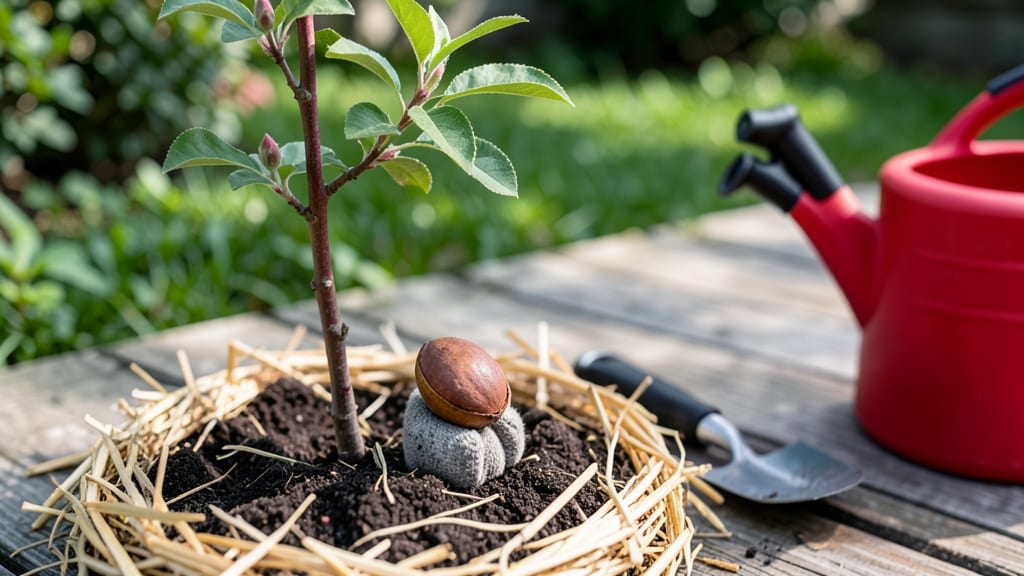
Growing a peach tree from seed is the ultimate patience test—and the most rewarding garden experiment you’ll ever try. 🌱 The secret to breaking dormancy lies in cold stratification, a process that mimics winter’s natural cycle to coax those tiny seeds into life.
I’ve struggled with peach pits before, but after perfecting this method, my seedlings now sprout reliably every spring.
You’ll need just four things: fresh peach pits (never store-bought), a damp paper towel, a sealed plastic bag, and a fridge. The stratification itself takes about 8-12 weeks, but the payoff is worth it—stronger roots and faster growth.
Most gardeners skip this step and wonder why their seeds never sprout, but this is where the magic happens.
Once sprouted, your little tree will need full sun, well-draining soil, and consistent watering (never soggy). The first year focuses on root development, not fruit—expect a 3-5 foot sapling by summer’s end.
Yes, seed-grown peaches will eventually bear fruit, but it’ll take 5-7 years (and the taste might surprise you—often sweeter than grocery-store varieties!).
Here’s the kicker: peach trees grown from seed are unpredictable. Your backyard might end up with a freakishly cold-hardy tree or a late-bloomer, but that’s part of the fun. If you want guaranteed varieties, graft later—but for pure gardening adventure, this is it.
📚 In This Guide
- What you need
- Instructions
- Tips and common mistakes
- Wrapping up and next steps
What you need
- ● Peach seeds: 3–5 fresh, plump seeds (from organic, pesticide-free fruit for best results).
- ● Cold stratification supplies: Small paper towels or coffee filters (2–3 per seed)
- ● Plastic bag or airtight container (resealable)
- ● Refrigerator (or cold, dark space, ~34–40°F / 1–4°C)
- ● Growing medium: Well-draining potting mix (sterile, seed-starting blend)
- ● Small pots or seed trays (3–4 inches deep, 1–2 per seed)
- ● Tools: Spray bottle (for moisture)
- ● Small shovel or spoon (for transplanting)
- ● Plant labels & marker (to track seeds)
- ● Grow lights or sunny windowsill (for seedlings after germination)
- ● Humidity dome or plastic wrap (to retain moisture)
- ● Heat mat (if your home runs cold)
- ● Compost or worm castings (for nutrient-rich soil later)
- ● Patience… and a journal to track progress! 📖✨
Step-by-step instructions for growing peach trees from seed
Here's how to break the dormancy cycle and coax those stubborn peach pits into thriving saplings.
🌱 Step 1: Extract and Prepare the Seeds
Start with fresh, plump peach pits—never dried or shriveled ones. Use a sharp knife to slice through the hard outer shell, exposing the seed inside. I like to soak the pits in warm water for 24 hours first to soften the flesh and make extraction easier. Remove the seed carefully, as the inner shell is delicate and can crack.
Once exposed, place the seeds between two paper towels and wrap them loosely. Store them in a sealed plastic bag in your refrigerator for stratification. This mimics winter conditions and breaks dormancy. The key is keeping them consistently moist but not soggy—check weekly and mist with water if the towels dry out.
⏰ Step 2: Cold Stratify for 6-8 Weeks
Cold stratification is where most growers fail—peach seeds need 6-8 weeks at 35-45°F to germinate reliably. Place the wrapped seeds in a sealed bag and refrigerate. I place mine on a shelf near the crisper drawer for even temperature. Avoid freezing temps—below 32°F can damage the seed.
After 4-6 weeks, check for signs of sprouting. You'll see a tiny root emerge first, followed by a small shoot. If no growth appears after 8 weeks, the seed may not be viable. Don't rush this step—proper stratification ensures strong, healthy seedlings later.
☀️ Step 3: Plant After Stratification
Once the seed sprouts, plant it immediately in a 4-inch pot filled with well-draining potting mix. I use a 50/50 blend of potting soil and perlite to prevent root rot. Plant the seed 1 inch deep, with the root pointing downward. Gently press the soil around it to secure it without compacting.
Place the pot in a warm, sunny spot with 6-8 hours of indirect light daily. Keep the soil consistently moist but never waterlogged—peach seedlings are sensitive to overwatering. A humidity dome helps retain moisture while the seedling establishes.
🌿 Step 4: Transplant and Care for Saplings
After 4-6 weeks, when the seedling reaches 6-8 inches tall with 3-4 true leaves, it's ready for transplanting. Choose a sunny outdoor location with full sun and well-draining soil. Dig a hole twice as wide as the root ball but no deeper than the pot.
Water deeply before transplanting to reduce shock. Mulch around the base with 2-3 inches of organic mulch to retain moisture and regulate soil temperature. Peach trees are drought-tolerant once established, but young saplings need consistent watering—1 inch per week during dry spells.
✂️ Step 5: Prune and Encourage Growth
In the first year, focus on structural pruning to shape the tree. Remove any dead, crossed, or weak branches using clean, sharp pruners. I prune in late winter or early spring before new growth begins. Cut just above a bud or branch collar to promote healing.
Fertilize lightly in early spring with a balanced 10-10-10 fertilizer to support growth. Avoid heavy feeding—peach trees are sensitive to excess nitrogen, which can lead to weak, disease-prone wood. With patience, your seedling will bloom in 3-5 years, though fruit may take even longer.
Tips & tricks for perfect peach seed germination
These cold stratification secrets will help you coax reliable blooms from stubborn peach pits.
Seed Selection: Choose pits from fully ripe, flavorful peaches—these seeds have the highest viability. Avoid pits from store-bought peaches treated with fungicides, as these can inhibit germination. I always test multiple seeds since not all will sprout, even with perfect conditions.
Stratification Setup: The refrigerator's crisper drawer provides the most consistent 35-45°F environment for stratification. If your fridge runs colder, place a towel between the seeds and the shelf to create a buffer zone. I've learned the hard way that temperatures below 32°F can actually damage the delicate embryonic tissue.
Planting Timing: Once you see that first root emerge (usually between 4-6 weeks), plant immediately—delaying even 24 hours can cause the root to dry out. I keep a small pot prepped with moist potting mix ready to go in my seed-starting station to minimize this risk.
Light Management: While peach seedlings need 6-8 hours of indirect light daily, avoid placing them in direct midday sun during their first week. This prevents leaf scorch while they establish. I use a sheer curtain to diffuse harsh sunlight until the seedling reaches 3-4 true leaves.
Pro Tips for Peach Seed Grow A Garden
- These cold stratification secrets will help you coax reliable blooms from stubborn peach pits.
- Seed Selection: Choose pits from fully ripe, flavorful peaches—these seeds have the highest viability.
- Stratification Setup: The refrigerator's crisper drawer provides the most consistent 35-45°F environment for stratification.
Frequently asked questions
Got questions about growing peach trees from seed? We’ve got answers! Here are the most common queries—plus practical tips to help your garden thrive.
Can I grow a peach tree from any seed?
Not all peach seeds will grow into true-to-type trees. Many store-bought peaches are hybrids, so their seeds may produce weak or bitter fruit. For reliable results, use seeds from heirloom or open-pollinated peaches—or better yet, buy grafted nursery trees if you want consistent fruit.
How long does cold stratification take for peach seeds?
Cold stratification mimics winter conditions to break seed dormancy. For peach pits, soak them in water for 24 hours, then place them in a damp paper towel or sand in a sealed bag in the fridge for 8–12 weeks. Check periodically—they’re ready when the seed coat cracks slightly.
What’s the best soil mix for germinating peach seeds?
Peach seeds need well-draining, slightly acidic soil (pH 6.0–6.5). Mix equal parts potting soil, perlite, and sand for optimal germination. Avoid heavy clay, which can suffocate roots. Plant seeds 1 inch deep in small pots under bright, indirect light.
Do peach seedlings need winter protection?
Young peach trees are frost-sensitive! If you live in a cold climate, wait until spring to transplant seedlings outdoors. For the first year, grow them in pots and move them indoors (or to a garage) if temperatures drop below 20°F (-7°C). Mulch heavily in winter once established.
Why isn’t my peach seed sprouting?
Common issues include under-stratification (not enough cold time), over-moisture (rotting seeds), or poor soil. Try these fixes: extend cold stratification, use sterile soil, or test seed viability by scratching the pit—if it’s soft, it’s likely dead.
Pro Tip:
Patience is key! Peach seeds can take 2–4 weeks to germinate after stratification. Keep soil consistently moist (not soggy) and place pots near a sunny window or under grow lights. If you’re eager for fruit, consider grafting a scion onto your seedling later—it speeds up the process!
Wrapping up and next steps
Growing peaches from seed is a rewarding journey that combines patience, science, and a little gardening magic! 🌱 By mastering cold stratification and providing the right conditions, you’ll unlock the potential for lush trees and sweet, homegrown fruit.
Whether you’re a beginner or a seasoned gardener, every seed planted is a step toward a thriving garden—so roll up your sleeves and let nature do the rest!
Your next step? Start your seeds today—grab those peach pits, follow the steps, and watch your garden bloom with possibilities. Happy growing! 🌸