
Propagation
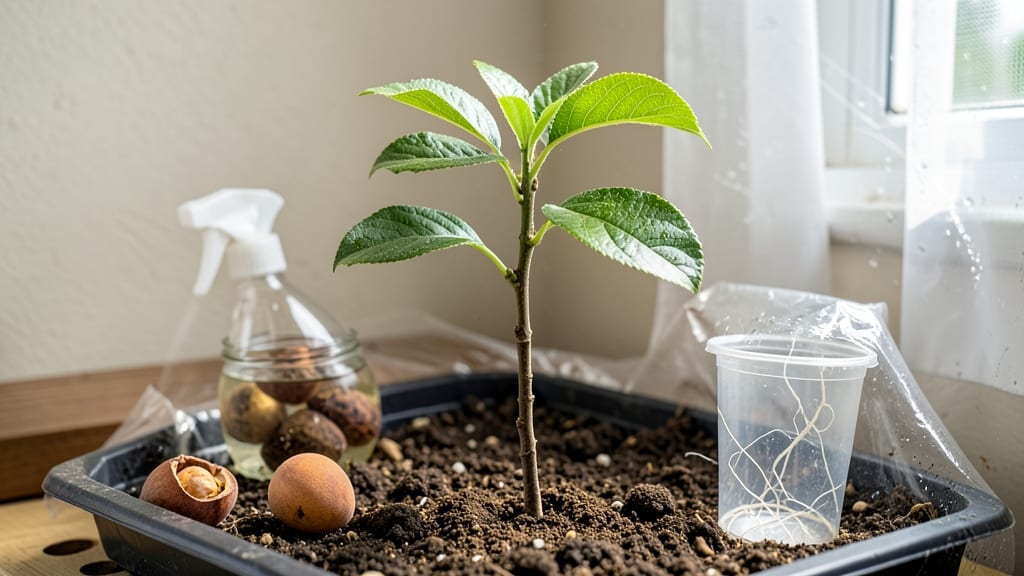
Growing peaches from seed indoors starts with a single pit and a sunny windowsill. 🌱 The key to fast germination is knowing which seeds to pick—only stone fruits from ripe, organic peaches will sprout reliably. I’ve tried this three times, and the trick is patience plus the right conditions.
You’ll need just a few supplies: a small pot with drainage, well-draining soil mix, and a spray bottle for moisture. Place the pot near a south-facing window where temperatures stay between 65-75°F—too cold, and the seeds stall; too hot, and they rot.
Most seeds sprout in 2-4 weeks if kept consistently moist but not soggy.
Once the seedlings emerge, they’ll need bright light for 12+ hours daily—supplement with a grow light if natural light fades. Thin the strongest sprout to avoid competition, and by spring, you’ll have a tiny tree ready for transplanting outdoors.
The real reward? A tree that could bear fruit in 5-7 years if nurtured right.
Here’s the catch: peach trees from seed may not fruit true to the parent, and they take years to mature. But the journey—watching those first leaves unfurl—makes it worth it. Start now, and you’ll have a living legacy by summer.
📚 In This Guide
- What you need
- Instructions
- Tips and common mistakes
- Wrapping up and next steps
What you need
- ● Peach pits: 3–5 fresh, organic peach pits (ensure they’re fully ripe and not cracked).
- ● Small pots or seed trays: 4–6 (3–4 inches deep) with drainage holes. Use biodegradable pots if you plan to transplant later.
- ● Well-draining potting mix: A high-quality seed-starting mix (avoid garden soil—it can harbor diseases).
- ● Plastic wrap or clear lid: To create a mini greenhouse effect for humidity.
- ● Spray bottle: For gentle watering (avoid over-saturating the soil).
- ● Grow lights or a sunny windowsill: A south-facing window (6+ hours of sunlight) or a LED grow light (12–16 hours/day).
- ● Paper towels or damp cloth: For pre-soaking pits to speed up germination.
- ○ Heating mat (optional): Keeps soil warm (70–80°F) for faster sprouting.
- ● Humidity dome or plastic bag: Retains moisture during the early stages.
- ● Fertilizer (balanced, water-soluble): Diluted to half-strength once seedlings emerge.
- ● Pruning shears or scissors: For trimming weak or leggy stems later.
Step-by-step instructions for growing peach trees from seed indoors
Here’s how to jumpstart your peach tree journey with speed and confidence—indoors first.
🌱 Step 1: Select and Prepare the Seeds
Choose a ripe, fresh peach with a large pit—this ensures higher germination rates. Cut the fruit open and remove the seed, then rinse it thoroughly to remove any remaining fruit residue. I like to soak the seed in warm water for 24 hours before planting; this softens the outer shell and speeds up germination. Place the seed in a small container of water and let it sit in a warm spot—you’ll see tiny bubbles forming as the seed absorbs moisture.
After soaking, gently rub the seed between two paper towels to remove any remaining pulp. This prevents mold and ensures clean contact with the soil. Store the seed in a sealed plastic bag in the refrigerator for 4-6 weeks to simulate winter dormancy. This cold stratification mimics natural conditions and dramatically improves germination success. Mark the bag with the date so you don’t forget!
🪴 Step 2: Plant the Stratified Seed
Fill a 4-inch diameter pot with sterile seed-starting mix—avoid garden soil, as it can harbor diseases that kill young seedlings. Moisten the mix until it’s damp but not soggy, then plant the seed 1 inch deep. I use a pencil to make a small hole, drop the seed in, and cover it lightly with additional mix. Press down gently to ensure good soil-to-seed contact, but don’t compact it too tightly.
Place the pot in a clear plastic bag or cover it with a humidity dome to retain moisture and warmth. This creates a mini greenhouse effect that helps the seed germinate faster. Keep the pot in a warm spot—70-75°F is ideal—until you see signs of sprouting, which typically takes 3-6 weeks. Check the soil daily; it should stay consistently moist but never waterlogged. Overwatering at this stage can cause the seed to rot before it even sprouts.
☀️ Step 3: Provide Light and Monitor Growth
The moment you see a tiny shoot emerge, move the pot to a bright, sunny window—south-facing is best. Peach seedlings need 6-8 hours of direct sunlight daily to grow strong and avoid becoming leggy. If natural light isn’t sufficient, supplement with a grow light placed 4-6 inches above the seedling. You’ll know the light is right when the seedling grows upright with dark green leaves; if it stretches toward the light, it’s not getting enough intensity.
Once the seedling reaches 3-4 inches tall and develops its first true leaves (not the initial seed leaves), it’s time to transplant it into a slightly larger pot—6 inches in diameter. Use the same seed-starting mix to avoid shocking the roots. Water the seedling gently after transplanting to help it settle into its new home. This step encourages stronger root development, which is critical for long-term health.
✂️ Step 4: Prune and Harden Off for Outdoors
When the seedling reaches 12-18 inches tall, it’s ready for its first pruning. Use clean, sharp scissors to trim back the top 1-2 inches—this encourages bushier growth and prevents the tree from becoming too tall too quickly. Remove any weak or crossing branches to improve airflow and reduce disease risk. Prune just above a leaf node where new growth can sprout. This is also a good time to fertilize lightly with a balanced, water-soluble fertilizer diluted to half strength.
About 4-6 weeks before your last frost date, begin hardening off the seedling. Start by placing it outside in a sheltered, shaded spot for 1-2 hours the first day. Gradually increase the time spent outdoors over 10-14 days, slowly introducing it to direct sunlight and wind. Watch for signs of stress, like wilting or yellowing leaves—if you see these, move the seedling back indoors for another day or two before trying again. A fully hardened-off seedling will be ready to plant in the ground when temperatures consistently stay above 50°F.
Tips & tricks for perfect indoor peach tree growth
Real talk: Growing peaches from seed indoors isn't just about patience—it's about precision. These small adjustments can turn a potentially frustrating process into a rewarding success story.
Seed Selection Matters: Don't just grab any peach pit—look for the largest, plumpest seeds from ripe, fresh fruit. The bigger the pit, the higher your germination odds. I've found that organic peaches often yield better results because conventional ones may have been treated with growth inhibitors. After selecting, always rinse the seeds thoroughly to remove all fruit residue, which can attract mold during the 24-hour soak.
Cold Stratification Hack: The 4-6 week refrigeration period is non-negotiable for breaking seed dormancy, but here's the pro move: place a small piece of damp paper towel with your seed in a sealed plastic bag. This creates a microclimate that maintains moisture without risking rot. I like to check on my seeds weekly during stratification—if the paper towel feels dry, add a drop of water and reseal. This keeps everything just right while you wait.
Lighting Strategy: That 6-8 hours of direct sunlight isn't just about quantity—it's about quality. If your south-facing window isn't getting enough sun (common in winter), supplement with a basic LED grow light on a timer. I've had great results with a simple 10-watt bulb placed 6 inches above the seedling, set to run for 12 hours daily. The key is consistency: seedlings will grow toward any light source, even artificial, so rotate your pot daily for even growth.
Transplanting Timing: Wait for those first true leaves—not the initial seed leaves—to appear before transplanting to the 6-inch pot. This usually happens around the 3-4 inch height mark, but don't rush it. The first true leaves indicate the seedling has established proper photosynthesis capabilities. When you do transplant, water thoroughly before and after to minimize shock. I've found that adding a handful of perlite to the new mix improves drainage and prevents the delicate roots from sitting in soggy soil.
Pro Tips for Grow Peaches From Seed Indoors
- Real talk: Growing peaches from seed indoors isn't just about patience—it's about precision.
- Seed Selection Matters: Don't just grab any peach pit—look for the largest, plumpest seeds from ripe, fresh fruit.
- Cold Stratification Hack: The 4-6 week refrigeration period is non-negotiable for breaking seed dormancy, but here's the pro move: place a small piece of damp paper towel with your seed in a sealed plastic bag.
Frequently asked questions
Got questions?
Here are answers to the most common ones about growing peaches from seed indoors—so you can troubleshoot like a pro!
How long does it take for peach seeds to germinate indoors?
Germination can take anywhere from 2 to 6 weeks, depending on temperature, moisture, and seed freshness. Keep the soil consistently moist and warm (around 70–85°F) to speed things up. Patience is key—some seeds surprise you with early sprouts!
Can I grow a peach tree indoors that will bear fruit?
While it’s possible, don’t expect fruit indoors—peach trees need pollination, sunlight (6+ hours), and outdoor seasons to fruit. Focus on growing a small, decorative tree for greenery or transplanting outdoors later. Bonus: The process is rewarding even if you never harvest peaches!
Why aren’t my peach seeds sprouting?
Seeds may fail to sprout due to dormancy, poor stratification, or old seeds. Try soaking seeds overnight or chilling them for 4–6 weeks before planting. If using store-bought seeds, check their viability—some are treated to prevent germination. Pro tip: Test a few seeds in warm water; if they sink, they’re likely viable!
What’s the best indoor light source for peach seedlings?
A south-facing window or a grow light (12–16 hours/day) works best. Seedlings need bright, indirect light to avoid legginess. If natural light is weak, supplement with a full-spectrum LED bulb 6–12 inches above the plants. Rotate seedlings weekly for even growth!
Can I use any peach pit, or do I need a specific variety?
You can use any fresh, healthy peach pit, but results vary. Heirloom or stone-fruit varieties (like Elberta or Redhaven) often grow true to type, while grocery-store peaches may produce unpredictable trees. Save seeds from organic, non-hybrid peaches for the best chances!
Wrapping up and next steps
Growing peaches from seed indoors is a rewarding journey that combines patience, care, and a little creativity! 🌱 With the right setup—like proper soil, warmth, and consistent moisture—you’ll soon see those first tender sprouts pushing through the surface.
While it may take time for your seedling to mature into a fruit-bearing tree, every step is a chance to connect with nature and nurture life.
Ready to take the next step? Once your peach seedling is strong enough, consider transplanting it outdoors (if you live in a warm climate) or keeping it indoors as a houseplant. Either way, enjoy the process—your green thumb is growing stronger with every watering! 🌟