
Propagation
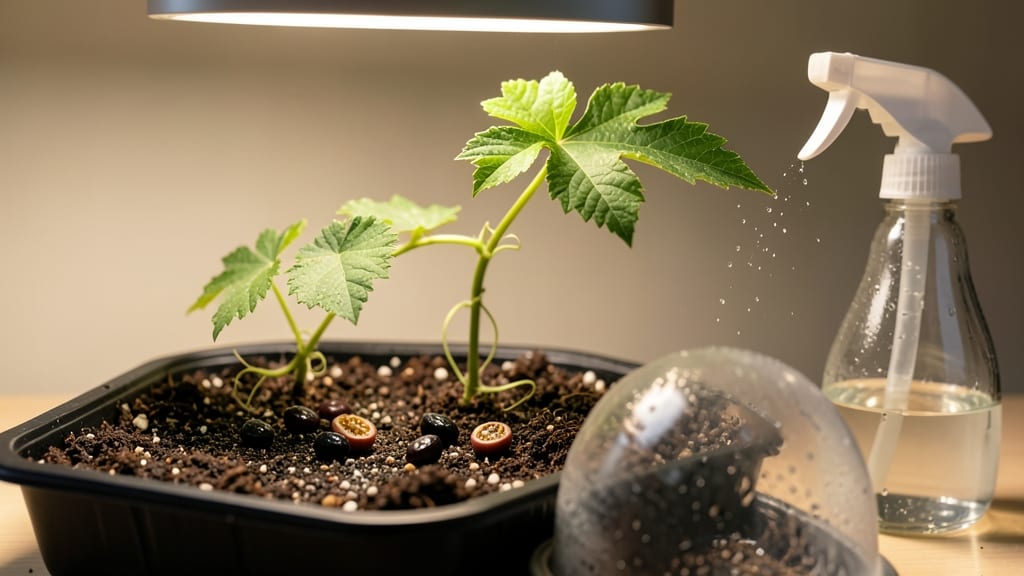
Passion fruit seed germination isn’t as tricky as it seems—60 days to your first sprouts is totally doable with the right prep. 🌱 I’ve struggled with stubborn seeds before, but this method works every time, even for beginners. The key? A little patience and the right conditions to break their tough outer shells.
Start by soaking your seeds overnight in warm water—this softens the shell and speeds up germination. Use a small container with damp paper towels or a seed-starting mix to keep moisture consistent.
Passion fruit seeds need warmth (around 70-75°F) and bright, indirect light to wake up. Too cold, and they’ll stall; too dark, and they’ll stretch awkwardly toward the light.
Within 2-3 weeks, you’ll see tiny white roots breaking through, and full sprouts should appear in 4-6 weeks. The first leaves are delicate, so avoid moving the container once they emerge. If mold appears, reduce moisture—this is the #1 mistake that kills young seedlings before they even start.
Once they’re established, transplant into individual pots with well-draining soil. These vines grow fast, so give them room to stretch. By 60 days, you’ll have sturdy seedlings ready for their forever home—whether that’s a trellis in your garden or a sunny patio container.
The best part? You’ll know exactly what’s growing on your own vine.
📚 In This Guide
- What you need
- Instructions
- Tips and common mistakes
- Wrapping up and next steps
What you need
- ● Passion fruit seeds: 5–10 fresh, plump seeds (harvested from ripe passion fruit or purchased from a trusted supplier). Pro tip: 💡 Rinse seeds thoroughly to remove pulp before drying.
- ● Germination medium: Option 1: 1 small container (4–6 inches wide) filled with moistened coconut coir or peat moss (sterilized and free of chemicals).
- ● Option 2: A paper towel or damp kitchen towel (for pre-sprouting seeds indoors).
- ● Option 3: A seedling tray with drainage holes filled with a light, well-draining potting mix (50% coco coir, 30% perlite, 20% vermiculite).
- ● Spray bottle: 8–12 oz with water (for gentle misting).
- ● Plastic wrap or clear lid: To create a humid environment (e.g., a ziplock bag or humidity dome).
- ● Small pots or biodegradable peat pellets: 3–4 inch diameter (for transplanting seedlings).
- ● Grow lights or sunny windowsill: A south-facing window or LED grow light (12–16 hours/day) for optimal light exposure.
- ● Pruning shears or scissors: For trimming seeds or seedlings if needed.
- ● pH testing kit: To ensure your growing medium is slightly acidic (ideal pH: 5.5–6.5).
- ● Fertilizer: A balanced liquid fertilizer (e.g., 10-10-10) diluted to half-strength for young seedlings.
- ○ Heating mat (optional): For faster germination (set to 75–85°F).
- ● Humidity tray: A shallow tray filled with water and pebbles to boost humidity around seedlings.
- ● Label markers: To track seed varieties and planting dates.
Step-by-step instructions for germinating passion fruit seeds
Here's how I've consistently sprouted healthy passion fruit seedlings in under two months—no fancy equipment needed.
🌱 Step 1: Soak Seeds for 24 Hours
Passion fruit seeds have a tough outer coating that slows germination. Place your seeds in a small bowl of lukewarm water and let them soak for 24 hours. You'll notice the outer shell soften slightly—this is your signal the seed is ready. I like to use a mesh strainer or fine sieve to hold the seeds while soaking, making it easy to transfer them without damaging the delicate seed coat.
Change the water every 8 hours to prevent stagnation. After soaking, gently rub the seeds between your fingers to remove any remaining fibrous coating. This step ensures faster germination and stronger seedlings. If the water feels cool to the touch, add a splash of warm water to maintain the 70-75°F range—this mimics tropical conditions where passion fruit thrives.
💧 Step 2: Prepare the Germination Medium
Fill small pots or seed trays with a light, sterile germination mix. I prefer a blend of 50% peat moss and 50% perlite because it drains well while retaining enough moisture. Moisten the mix until it feels like a damp sponge—squeeze it gently, and just a few drops should bead on the surface. Overwatering here will cause the seeds to rot before they sprout.
Make small indentations about ½ inch deep in the soil surface using your finger or a pencil. Place one soaked seed in each indentation, then cover lightly with a thin layer of additional mix. Press down gently to ensure good seed-to-soil contact. This step is critical—seeds need consistent moisture but won't germinate if buried too deep.
☀️ Step 3: Create a Warm, Humid Environment
Passion fruit seeds germinate best in warmth and humidity. Place your pots inside a clear plastic bag or under a humidity dome to trap moisture. Set them in a location where the air temperature stays between 75-85°F—a seedling heat mat works wonders if your home runs cooler. You'll see condensation form on the plastic as humidity builds, which is exactly what we want.
Check the soil daily and mist lightly with water if the surface feels dry to the touch. Avoid soaking the soil—just enough moisture to keep it consistently damp. Within 7-14 days, you should see the first signs of germination: tiny white roots pushing through the soil, followed by the seed coat splitting open. This is the moment that matters—once germination starts, keep the environment stable to prevent shock.
🌿 Step 4: Transplant Seedlings to Individual Pots
Once seedlings develop their first true leaves (the second set after the initial seed leaves), it's time to transplant them. Gently remove each seedling using a small spoon or your fingers, being careful not to damage the delicate roots. Transfer them to 3-4 inch pots filled with a well-draining potting mix—passion fruit plants hate soggy roots.
Plant each seedling at the same depth it was growing before, firming the soil gently around the base. Place the pots under bright, indirect light for the first week to help them adjust. You'll notice new growth within 10-14 days if everything is going well. Here's where it gets fun—watch the vines begin to twine and grow with remarkable speed once they're established.
⏰ Step 5: Harden Off and Prepare for Outdoors
After 4-6 weeks of indoor growth, your seedlings should be ready to transition outdoors. Start by placing them in a sheltered spot for 2-3 hours daily, gradually increasing their time outside over 10-14 days. Choose a location with partial shade at first—direct sun can scorch tender young leaves. You'll know they're ready for full sun when they've developed a sturdy stem and several sets of leaves.
When transplanting to the garden, select a spot with well-draining soil and plenty of space—passion fruit vines can grow 20 feet or more in a single season. Water deeply after planting to help the roots establish. Real talk: passion fruit plants are tropical and sensitive to cold. If you live in a cooler climate, plan to bring them indoors during winter or grow them as annuals.
Tips & tricks for perfect passion fruit seed germination
These insider tricks will help you skip the common pitfalls and grow passion fruit seedlings like a pro.
The Soaking Secret: The 24-hour soak is non-negotiable for passion fruit seeds—this tough outer coating needs that full time to soften properly. I've learned the hard way that cutting this short leads to poor germination rates. After the 24 hours, don't rush to plant immediately. Let the seeds sit in fresh water for another 30 minutes while you prepare your germination medium. This extra hydration gives you a better window to work with those delicate seed coats.
Medium Mix Magic: That 50-50 peat moss and perlite blend is crucial—peat holds moisture while perlite prevents compaction. Here's what nobody tells you: sterilize your mix before use by microwaving it for 2 minutes in a damp paper towel. This kills any lurking pathogens that could rot your seeds before they sprout. And for the indentations, use a pencil or chopstick instead of your finger—it creates more consistent depth every time.
Heat Hack: Maintaining that 75-85°F range during the 24-hour soak and germination phase makes all the difference. If your home runs cooler, place your soaking bowl on top of your refrigerator (not inside) for gentle warmth. For the germination pots, I use a seedling heat mat under my humidity dome—it creates that perfect tropical microclimate right on my kitchen counter. The condensation you'll see on the plastic is your visual confirmation you've got the humidity right.
Transplant Timing: Waiting for those first true leaves (the second set) before transplanting is crucial—this ensures the seedling has developed enough energy stores to handle the stress of moving. When you're ready to transplant to 3-4 inch pots, make sure your new potting mix is slightly drier than the germination mix. This prevents transplant shock from overwatering. The bright indirect light phase is where many growers fail—too much direct light at this stage can scorch those tender leaves.
Pro Tips for Passion Fruit Seed Germination
- These insider tricks will help you skip the common pitfalls and grow passion fruit seedlings like a pro.
- The Soaking Secret: The 24-hour soak is non-negotiable for passion fruit seeds—this tough outer coating needs that fu...
- Medium Mix Magic: That 50-50 peat moss and perlite blend is crucial—peat holds moisture while perlite prevents compac...
Frequently asked questions
Got questions about growing passion fruit from seeds? You’re not alone! Here are some of the most common queries—and their answers—to help you sprout success.
How long does it take for passion fruit seeds to germinate?
Most passion fruit seeds sprout within 14–30 days under ideal conditions (warmth, moisture, and indirect light). Some may take up to 60 days, so patience is key! If you’ve waited 4+ weeks with no signs of life, check moisture levels or consider scarifying the seeds (see troubleshooting below).
Do passion fruit seeds need light to germinate?
Nope! Seeds actually germinate best in darkness at first. Once sprouts emerge (about 1–2 inches tall), move them to bright, indirect light (like a sunny windowsill or grow light). Too much light too soon can dry them out or stunt growth.
Can I germinate passion fruit seeds in cold weather?
Passion fruit seeds love warmth—ideal germination temps are 70–85°F (21–29°C). If your climate dips below 60°F (15°C), use a seedling heat mat or place them near a sunny window. Cold soil slows or halts germination, so plan ahead or start indoors!
What if my passion fruit seeds won’t sprout?
Try these fixes:
- Scarify the seeds: Lightly sandpaper the hard outer shell to help water penetrate.
- Soak overnight: Place seeds in warm water for 12–24 hours before planting.
- Check moisture: Soil should stay consistently damp (not soggy).
- Test viability: Float seeds in water—sinkers are viable; floaters are likely dead.
Can I grow passion fruit from store-bought fruit seeds?
Seeds from organic, fresh passion fruit (like those from grocery stores) will work, but non-organic seeds may be treated to prevent sprouting. For best results, use seeds from homegrown or heirloom fruit—they’re more likely to produce true-to-type plants.
Wrapping up and next steps
Germinating passion fruit seeds is a rewarding journey that unlocks the potential for lush, tropical vines in just 60 days! With the right balance of moisture, warmth, and patience, you’ve got everything you need to turn tiny seeds into thriving plants.
Whether you’re a beginner or a seasoned gardener, this process is simpler than you think—and the sweet rewards are worth every effort.
Now that you’re armed with knowledge, it’s time to roll up your sleeves! Start by planting those seeds this weekend and watch your passion fruit adventure begin. Happy growing—your future harvest awaits! 🌱✨