
Propagation
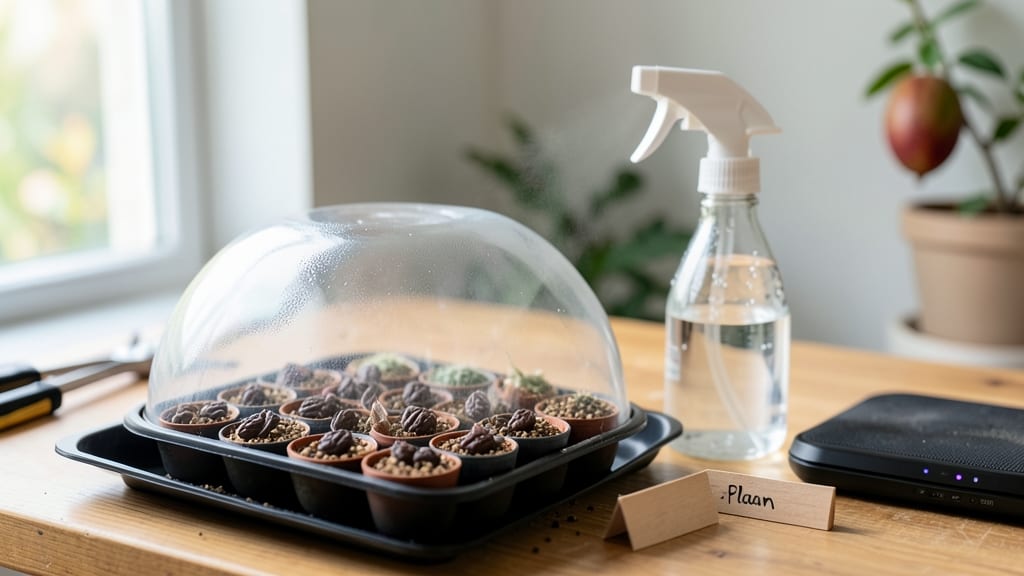
Passion flower seeds need moist conditions to trigger their dramatic germination—where the pods actually pop open on their own. 🌱 I’ve watched these exotic seeds transform from dried pods to tiny sprouts, and the secret lies in mimicking their natural tropical environment without overcomplicating it.
The key? Keeping soil consistently damp (not soggy) while maintaining warmth, which unlocks the magic of self-opening pods within 2-4 weeks.
You’ll need just three things: a shallow container, a mix of 50% perlite and 50% potting soil, and a spray bottle for gentle moisture control. Passion flower seeds dislike being buried deep—plant them ¼-inch below the surface and keep them in a warm spot (around 75°F).
The pods will split open when ready, revealing the seeds inside, which is when the real fun begins.
Once those first green shoots appear, you’ll know you’ve done it right—they’ll grow 1-2 inches in their first week. These seedlings are sensitive to cold drafts, so if you’re starting indoors, move them near a sunny window or under grow lights.
The goal is to keep them thriving until they’re strong enough to transplant, which happens around 8-12 weeks after germination.
Here’s the trick I learned the hard way: never let the soil dry out completely, or the pods will refuse to open. If mold appears, reduce moisture slightly and improve airflow.
With patience, you’ll go from dried pods to climbing vines ready for your garden—no fancy equipment needed.
📚 In This Guide
- What you need
- Instructions
- Tips and common mistakes
- Wrapping up and next steps
What you need
- ● Passion flower seeds: Fresh or dried seeds (preferably from a ripe, healthy pod). Aim for 10-20 seeds for experimentation.
- ● Seed-starting mix: A well-draining, sterile potting mix (e.g., 50% coco coir + 50% perlite). Avoid garden soil—it can harbor pathogens.
- ● Small pots or seed trays: 2-3 inch diameter pots or a shallow tray with drainage holes (one per seed or a few seeds per pot).
- ● Clear plastic dome or plastic wrap: To create a humidity-controlled environment (or a mini greenhouse).
- ● Spray bottle: For gentle watering without disturbing seeds.
- ● Grow lights or sunny windowsill: Passion flowers thrive in bright, indirect light (6-8 hours daily).
- ○ Humidity tray (optional but helpful): A shallow tray filled with pebbles and water to maintain moisture levels.
- ● Tweezers or toothpick: For carefully placing seeds in the soil.
- ○ Thermometer (optional): To monitor soil temperature (ideal range: 70-85°F).
- ● Fertilizer (after germination): A balanced, water-soluble fertilizer (5-5-5) diluted to half-strength.
- ● Scissors or knife: For opening dried passion flower pods (if harvesting seeds yourself).
Step-by-step instructions for germinating passion flower seeds
Here's how I coax these finicky seeds to sprout—using their natural moisture triggers.
🌱 Step 1: Harvest and Prepare the Seeds
Collect ripe passion fruit pods when they turn yellow and feel slightly soft to the touch. Cut them open and remove the seeds, which are embedded in a gelatinous pulp. Rinse the seeds thoroughly under cool water to remove all traces of pulp—this prevents mold. I like to spread them on a paper towel to dry for 15-20 minutes while I prepare the germination setup.
Passion flower seeds have a hard outer shell that needs moisture to soften before sprouting. If you're not using them immediately, store them in a sealed container with a damp paper towel inside the fridge. They'll stay viable for 3-4 months this way, but fresh seeds always germinate better.
💧 Step 2: Create the Moisture Chamber
Line a shallow container with a moist paper towel—it should feel damp but not dripping. I use a small plastic takeout container with a lid because it creates the perfect humidity trap. Place the seeds about 1 inch apart on the towel, pressing them down lightly so they make contact with the damp surface. This mimics their natural environment where moisture triggers germination.
Cover the container and place it in a warm spot, ideally between 70-80°F. A seedling heat mat works wonders here, but even a sunny windowsill can work if your home stays warm. Check the towel daily—it should stay consistently moist. If it dries out, mist it lightly with water and cover again. The seeds won't sprout if they dry out completely.
☀️ Step 3: Wait for the Seeds to Pop Open
This is where passion flowers get their name—watch as the seeds split open naturally within 10-20 days. You'll see the seed coat crack along one side, revealing the tiny white root inside. This is your signal that germination has begun. Don't rush to plant them yet—wait until the root is ½ inch long before transplanting.
If seeds don't split within 3 weeks, they may not germinate. I've found that keeping the container in bright, indirect light helps speed up the process. Once the seed coat cracks, move the container to a brighter spot but avoid direct sunlight, which can overheat the delicate sprouts.
🌿 Step 4: Transplant the Sprouted Seeds
When the roots reach ½ inch, carefully remove each seed from the moisture chamber. I use a small spoon to gently lift them out, being careful not to damage the roots. Plant them ¼ inch deep in a well-draining seed-starting mix. I like to use small pots or a seed tray with individual cells to prevent overcrowding.
Place the pots in a warm, bright spot with indirect light. Keep the soil consistently moist but not soggy—passion flower seedlings are prone to damping-off if overwatered. Within 2-4 weeks, you'll see the first true leaves emerge. This is when you can gradually introduce them to more sunlight, eventually moving them to a sunny window or under grow lights.
⏰ Step 5: Maintain Humidity for Young Seedlings
Passion flower seedlings thrive in high humidity. I cover them with a clear plastic dome or plastic wrap for the first 2 weeks to maintain moisture levels. Remove the cover for 10 minutes daily to prevent mold growth. Once the seedlings have 3-4 true leaves, they're ready to be transplanted into larger pots or the garden.
Hardening off is crucial—gradually expose them to outdoor conditions over 1-2 weeks before planting outside. Choose a spot with partial shade and well-draining soil. Passion flowers are tropical and can't handle frost, so wait until all danger of frost has passed in your area. With patience, you'll have strong, healthy plants ready to climb and bloom within a season.
Tips & tricks for perfect passion flower seed germination
Between us, these seeds are trickier than they look—here's how to ensure they pop open just right.
The Harvesting Factor: When selecting passion fruit pods, go for ones that yield slightly when gently squeezed—they should feel firm but not rock-hard. Overripe pods (mushy texture) can ferment and develop mold during the 15-20 minute drying period. I've learned this the hard way after ruining three batches with overly ripe fruit! The drying time is crucial because it prevents mold while preparing the seed coat for moisture absorption.
Moisture Chamber Mastery: The key to successful germination lies in maintaining consistent moisture without drowning the seeds. Think of it like a tropical rainforest—humid but not soaked. I recommend using a spray bottle to mist the towel instead of soaking it, as this gives you better control over moisture levels. Place a small piece of aluminum foil on the bottom of your container before adding the towel to prevent condensation from pooling and creating soggy conditions.
Lighting Strategy: While passion flower seeds don't need light to germinate, bright indirect light during the 10-20 day waiting period actually helps speed up the process. I place my containers near an east-facing window where they get morning sun but avoid the intense midday rays. If you notice condensation forming on the lid, that's a good sign—it means you've created the perfect humidity environment. Just be sure to remove the lid for 10 minutes daily to prevent mold growth.
Transplanting Technique: When those roots reach ½ inch, handle them like you would a fragile piece of glass. I use a small spoon to gently lift each seed from the moisture chamber, being careful not to pull on the root. The transplanting depth of ¼ inch is critical—too deep and the seedling will struggle to emerge, too shallow and it may dry out. I've found that using individual cell trays gives each seedling enough space to develop without competing for nutrients.
Pro Tips for Passion Flower Seed Germination
- Between us, these seeds are trickier than they look—here's how to ensure they pop open just right.
- The Harvesting Factor: When selecting passion fruit pods, go for ones that yield slightly when gently squeezed—they should feel firm but not rock-hard.
- Moisture Chamber Mastery: The key to successful germination lies in maintaining consistent moisture without drowning the seeds.
Frequently asked questions
Got questions about germinating passion flower seeds? You’re not alone! Here are some of the most common concerns—and their answers—to help you grow these stunning vines with confidence.
How long does it take for passion flower seeds to germinate?
Germination can take anywhere from 2 to 6 weeks, depending on temperature and moisture. Keep the soil consistently moist (but not soggy) and maintain a warm environment (around 70–80°F) for the best results. Patience is key—some seeds may surprise you by sprouting faster!
Do passion flower seeds need light to germinate?
Nope! Seeds actually germinate better in darkness. Once they sprout, you can move them to a bright spot, but keep them covered with soil or a damp paper towel until you see tiny shoots. Think of it like a cozy, secret underground party before they’re ready to shine.
Can I germinate passion flower seeds indoors in winter?
Use a seedling heat mat or place the tray on top of your fridge to mimic warmer conditions. If your home is drafty, a sunny windowsill with indirect light works too. Just avoid cold drafts—passion flower seeds are tropical divas and love warmth!
What if my passion flower seeds rot instead of sprouting?
Overwatering or poor drainage is usually the culprit. Let the soil dry out slightly between waterings, and use a well-draining mix (like perlite + peat). If mold appears, toss the batch and start fresh with fresh seeds and sterilized soil.
Can I grow passion flowers from store-bought seeds or do I need fresh ones?
Store-bought seeds can work, but fresh seeds (from a ripe, opened pod) often germinate faster and more reliably. If you’re buying seeds, check the packaging for a recent harvest date—older seeds may need a bit more TLC (like a quick soak in warm water to soften their tough coats).
Wrapping up and next steps
Growing passion flower seeds from moisture-controlled pods is a rewarding journey that blends patience with nature’s magic! 🌱 With the right balance of moisture, warmth, and care, you’ll soon witness those pods pop open on their own—a true testament to the plant’s resilience.
Whether you’re a seasoned gardener or a curious beginner, every tiny sprout is a step toward lush, fragrant vines and stunning blooms.
Ready to take the next step? Start by planting your germinated seeds in well-draining soil, and keep an eye out for those first delicate leaves. You’ve got this! 🌿 Share your progress or ask questions in gardening communities—your passion will inspire others to grow too.