
Lawn
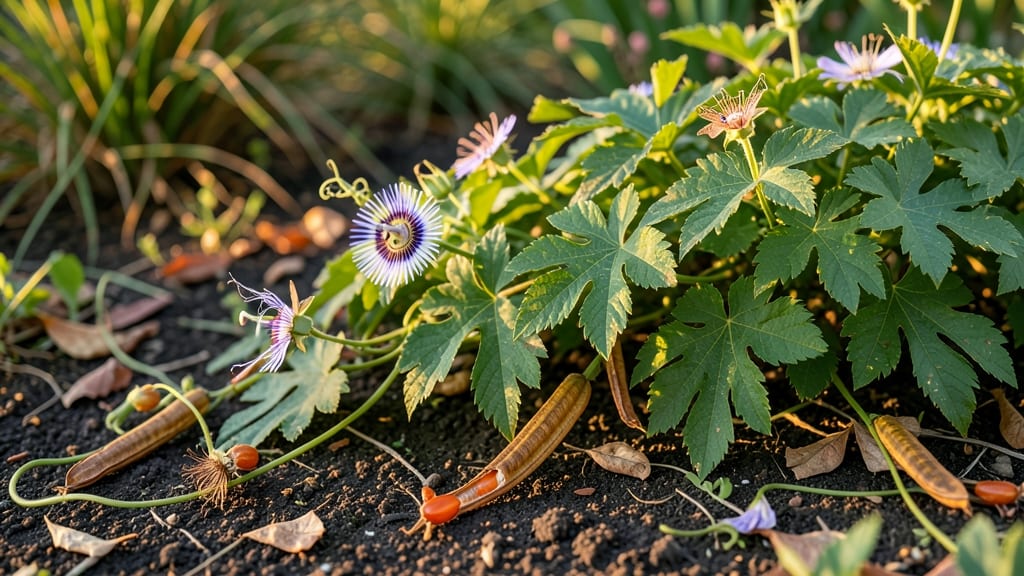
Harvesting passion vine seed pods before they twist into impossible knots is the secret to saving viable seeds year-round. 🌱 I’ve learned the hard way—wait too long, and you’re left with dried husks that crumble at the touch.
The key is timing: pods should be fully swollen but still firm, with a slight give when gently squeezed (think of a ripe tomato, not a squash). You’ll need a sharp knife, a bowl, and a warm, sunny spot for drying.
Cut open the pods lengthwise to access the seeds inside—don’t crush them—and let them air-dry for 3-5 days on a screen or paper towel. The trick to germination is scarification: lightly nick the seed coat with sandpaper or a file to break dormancy, then soak them overnight.
This mimics nature’s way of preparing them for spring growth. Once dried, store seeds in a cool, dark place in a sealed container with a silica packet to keep moisture out. Germination takes patience—some seeds sprout in 2-4 weeks, while others wait months—but the payoff is worth it.
You’ll end up with lush, vigorous vines that climb faster and produce more flowers than store-bought starts. For best results, sow seeds in late winter under grow lights or in a sunny windowsill. Keep the soil consistently moist but not soggy, and expect seedlings to emerge slowly.
If you’re in a cooler climate, a heat mat can speed things up. The first true leaves signal it’s time to transplant—just give them space to stretch their legs!
📚 In This Guide
- What you need
- Instructions
- Tips and common mistakes
- Wrapping up and next steps
What you need
- ● Mature passion vine plants – Look for healthy vines with fully ripe seed pods (typically yellow, orange, or brown, depending on the variety). Aim for at least 5-10 pods for a good yield.
- ● Sharp pruning shears or scissors – A pair with clean, sterilized blades (rubbing alcohol works!) to avoid damaging the pods or spreading disease.
- ● Paper towels or newspaper – For drying and cleaning pods (use 2-3 sheets per batch).
- ● Small bowls or containers – 3-5 shallow, wide-mouthed containers (like ceramic or plastic bowls) to hold pods during processing.
- ● Paper bags or breathable fabric sacks – For short-term storage (1-2 bags per harvest). Avoid plastic to prevent mold.
- ● Permanent marker or label tags – To mark pods with the harvest date and vine variety (if applicable).
- ○ Gloves (nitrile or cotton) – Protects hands from sticky sap and potential skin irritation (optional but recommended!).
- ● Small paintbrush or cotton swabs – For gently cleaning residue from pods (great for delicate varieties).
- ● Food dehydrator or oven-safe tray – If you plan to dry pods indoors (set oven to 140°F (60°C) and prop the door open).
- ● Seed-saving envelopes or airtight jars – For long-term storage (label clearly!).
- ● Camera or phone – Snap photos of your vine or pods for future reference!
Step-by-Step instructions for harvesting passion vine seed pods
Here's how to collect and store passion vine seeds without the frustrating twists and turns.
🌿 Step 1: Identify and Select Ripe Pods
Passion vine pods turn a deep golden-brown when fully ripe—this is your cue to harvest. Gently squeeze the pod; if it feels soft and slightly papery, it's ready. Avoid pods that are still green or rock-hard, as they won't contain viable seeds. I like to harvest on a dry morning when the pods are firm but not brittle.
Use clean, sharp pruning shears to snip the pod from the vine, leaving a small stem attached. This prevents the plant from wasting energy sealing the wound. Collect pods in a paper bag or mesh container to allow airflow—condensation inside will speed up spoilage. If you're harvesting multiple pods, label them with the date to track ripening times.
💧 Step 2: Clean and Dry the Pods
Spread the pods out on a clean, dry towel or paper towels in a single layer. Let them air-dry for 3-5 days in a warm, shaded spot. Avoid direct sunlight, which can cause the pods to overheat and split prematurely. You'll know they're dry enough when the outer shell feels crisp and the seeds rattle inside when shaken.
Once dry, gently rub the pods between your palms to loosen the seeds. Most will spill out easily, but stubborn pods can be lightly tapped with a spoon. I always wear gloves for this step—passion vine seeds can irritate skin, and the pods have tiny barbs that cling to clothing. Discard any pods that split open on their own; their seeds may already be compromised.
✂️ Step 3: Extract and Store the Seeds
Separate the seeds from the pulp by placing them in a fine-mesh strainer and rinsing under cool water. The pulp will wash away, leaving clean seeds behind. Spread the seeds on a fresh paper towel to dry completely—this should take 1-2 hours in a well-ventilated area. Fully dry seeds will feel hard and papery to the touch.
Store the seeds in a small, airtight container like a glass jar or resealable plastic bag. Add a desiccant packet to absorb any moisture, and label the container with the harvest date. Seeds stored this way remain viable for 1-2 years in a cool, dark place. If you notice mold or a musty smell, discard the seeds immediately—they've lost viability.
🌱 Step 4: Prepare for Planting (Optional)
If you plan to plant the seeds immediately, soak them in lukewarm water for 12-24 hours to soften the hard outer coating. This step isn't necessary for long-term storage but speeds up germination if you're starting new plants. After soaking, drain the seeds thoroughly and plant them ½ inch deep in well-draining soil, keeping it consistently moist until sprouts appear.
Passion vine seeds can be tricky to germinate, so don't be discouraged if it takes 2-4 weeks for them to sprout. Place the pots in a warm, bright spot—70-75°F is ideal—but avoid direct sunlight until the seedlings are established. Thin the seedlings to the strongest one per pot, as passion vines can get woody and crowded quickly.
Tips & tricks for perfect passion vine seed pod harvesting
Here's what I learned after years of dealing with sticky, stubborn passion vine pods—these tricks make all the difference.
Selection Tip: In Step 1, when checking for ripe pods, look for a color shift from green to golden-brown, but don't rely on color alone. The "squeeze test" is key—ripe pods should feel soft like a well-worn leather glove, not hard like plastic. I've wasted time harvesting green pods that never produced seeds, so trust your fingers over your eyes. Harvest on dry mornings to prevent moisture from making the pods slippery and difficult to handle.
Drying Strategy: The 3-5 day drying period in Step 2 can feel like forever, but patience pays off. Place your drying pods on a screen or rack instead of towels to allow airflow on all sides—this prevents mold from trapped moisture. I've seen pods develop mold when left on thick towels, so elevation matters. If your kitchen is humid, consider using a small fan on low setting to speed up drying without overheating the pods.
Seed Extraction: When you reach Step 3 and need to separate seeds from pulp, don't rush the rinsing process. Use lukewarm water instead of cold to help dissolve the sticky pulp more effectively. I've found that a fine-mesh strainer with holes just slightly larger than your seeds works best—it catches stray pulp while letting seeds flow through. For stubborn seeds, a rubber spatula works better than fingers for scraping out the last bits without damaging them.
Storage Wisdom: For long-term storage, I've had the most success with glass jars over plastic bags. The glass provides better moisture protection and doesn't develop that musty plastic smell over time. Always include a desiccant packet—even small amounts of moisture can reduce seed viability from 1-2 years down to just months. Label your containers with both the harvest date and the current date when storing, so you can track exactly how long they've been in storage.
Pro Tips for Passion Vine Seed Pods
- Here's what I learned after years of dealing with sticky, stubborn passion vine pods—these tricks make all the difference.
- Selection Tip: In Step 1, when checking for ripe pods, look for a color shift from green to golden-brown, but don't rely on color alone.
- Drying Strategy: The 3-5 day drying period in Step 2 can feel like forever, but patience pays off.
Frequently asked questions
When is the best time to harvest passion vine seed pods?
Harvest pods when they’re fully ripe but before they split open—usually late summer to early fall. Look for pods that turn yellow or orange and feel slightly soft when gently squeezed. Overripe pods release seeds prematurely, so act fast!
How do I store passion vine seed pods long-term?
Store pods in a cool, dry place (like a paper bag or mesh sack) with good airflow to prevent mold. For extra longevity, dry them in a warm, shaded spot for 1–2 weeks first. Avoid plastic—it traps moisture and spoils seeds faster.
Can I plant passion vine seeds directly from the pod?
Yes! Remove seeds from the pod, rinse off the gelatinous pulp, and plant them ½ inch deep in well-draining soil. Germination takes 2–4 weeks. For faster growth, soak seeds in warm water overnight first.
What do I do if my pods are rotting or moldy?
Mold or rot usually means high humidity or poor airflow. Discard affected pods immediately. To prevent it, harvest pods early, store them in a well-ventilated area, and avoid damp conditions. If already stored, spread them out to dry before salvaging any usable seeds.
Are there alternatives if I can’t grow passion vine?
If passion vine isn’t available, try morning glory or cucumber seeds for similar ornamental or culinary uses. For wildlife-friendly options, consider milkweed pods—they attract pollinators too!
Wrapping up and next steps
Harvesting passion vine seed pods is a rewarding way to save viable seeds year-round without the hassle of twisting! Whether you're a gardener looking to propagate your favorite varieties or simply enjoy the process, these pods offer a simple, twist-free solution for long-term storage.
With the right tools and techniques, you can ensure healthy seeds ready for your next planting season.
Now that you’re equipped with the know-how, why not take the next step? Start by gathering a few pods from your garden today—your future plants will thank you! 🌱✨