
Planting
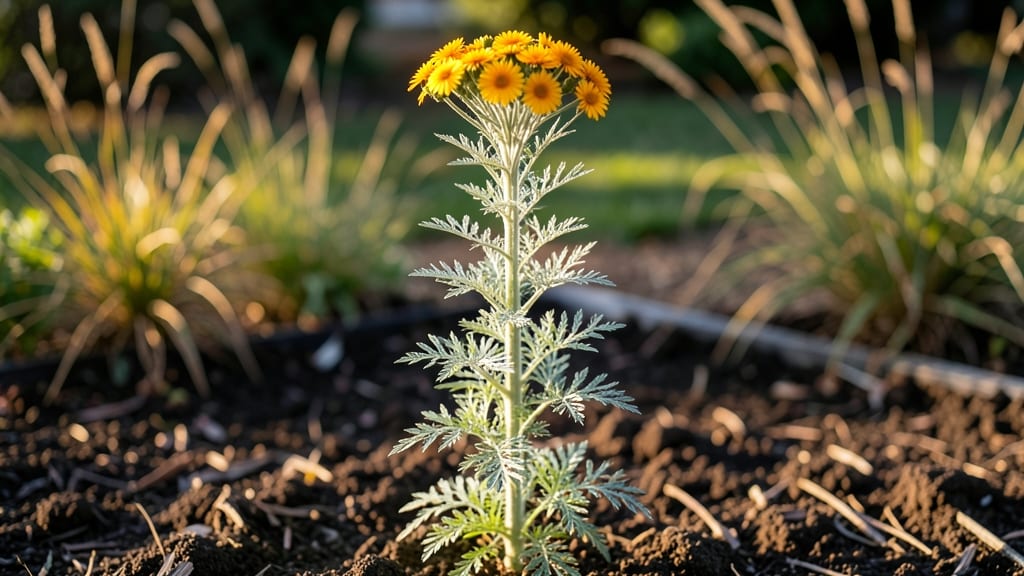
Cold-stratifying the nyjer seed plant unlocks 60 days of vibrant blooms that hummingbirds can't resist. 🌿 I learned the hard way that skipping this step means waiting months for flowers—or never seeing them at all. The trick lies in mimicking winter's chill, which breaks the seed's dormancy and kickstarts growth.
You'll need a simple setup: a plastic bag, damp paper towels, and your refrigerator. No fancy equipment or greenhouses required. Nyjer thrives in full sun and well-draining soil, but the real magic happens during those 4-6 weeks of cold treatment—a process that transforms stubborn seeds into eager sprouts.
By early spring, you'll have lush plants covered in tiny, tubular flowers that attract hummingbirds like nothing else. The blooms last for weeks, and with proper care, your plants will reward you with multiple flushes of flowers throughout the season.
Perfect for gardeners who want low-maintenance, high-impact results. Whether you're planting in the ground or containers, this method works reliably—no matter your zone. Let's get those seeds growing!
📚 In This Guide
- What you need
- Instructions
- Tips and common mistakes
- Wrapping up and next steps
What you need
- ● Nyjer seeds (Guizotia abyssinica): 1–2 oz (30–60g) – Choose high-quality, untreated seeds for best germination.
- ● Cold-stratification supplies: Refrigerator or cold frame (35–40°F / 2–4°C)
- ● Paper towels or damp paper coffee filters
- ● Ziploc bag or airtight container
- ● Growing containers: Seed trays or small pots (4–6 inches deep) with drainage holes
- ● Seed-starting mix (lightweight, sterile, and well-draining)
- ● Watering tools: Spray bottle (for gentle misting)
- ● Watering can with a fine rose nozzle
- ● Grow lights or sunny windowsill: 12–16 hours of light daily (LED grow lights work great!).
- ● Fertilizer: Balanced liquid fertilizer (5-5-5 or 10-10-10, diluted to half-strength).
- ● Heating mat (to speed up germination if your home is chilly)
- ● Humidity dome (to retain moisture during early growth)
- ● pH testing kit (ideal soil pH: 6.0–7.0)
- ● Plant labels (to track varieties and planting dates)
- ● Pruning shears (for shaping mature plants)
How to grow nyjer seed plants for stunning winter blooms
Turn your winter garden into a hummingbird haven with this foolproof method for fast, vibrant nyjer seed flowers.
🌱 Step 1: Cold-Stratify Seeds for Reliable Germination
Nyjer seeds need 60 days of cold stratification to break dormancy. Place 100 seeds in a sealed plastic bag with 2 tablespoons of damp sand (or vermiculite). Store in your refrigerator's crisper drawer where temperatures stay 35-40°F. Check weekly—seeds should feel moist but not soggy. This chilling period mimics winter conditions and triggers germination.
After 60 days, remove the bag and let it sit at room temperature for 24 hours before planting. You'll notice the seeds look slightly plumped and ready to sprout. Skipping this step results in poor germination rates—nyjer seeds are stubborn without proper cold treatment.
☀️ Step 2: Plant in Well-Draining Soil with Full Sun
Fill 4-inch pots with a mix of 50% potting soil and 50% perlite to prevent root rot. Nyjer thrives in sandy, well-draining soil—never use garden soil alone. Plant seeds ¼ inch deep, spacing them 1 inch apart in each pot. Water gently until the soil surface feels slightly damp but not wet.
Place pots in a location with 6+ hours of direct sunlight daily. A south-facing window or grow light works, but nyjer needs intense light to prevent leggy growth. You'll see first true leaves in 7-10 days. If seedlings look pale or stretch toward the light, move them closer—nyjer is a sun-lover.
💧 Step 3: Maintain Consistent Moisture and Fertility
Water when the top inch of soil feels dry to the touch, but avoid soggy conditions. Nyjer is drought-tolerant once established, but young plants need even moisture. Use a spray bottle for gentle watering to prevent disturbing seedlings. Fertilize lightly with a balanced 10-10-10 fertilizer every 4 weeks—nyjer doesn’t need heavy feeding, just steady nutrients.
Pinch back leggy stems when they reach 3 inches to encourage bushier growth. You'll see new side shoots form within 2 weeks. This pruning step is critical—it prevents weak, floppy plants that can't support the weight of nyjer's delicate flowers.
⏰ Step 4: Transition to Outdoor Conditions Gradually
After 4 weeks of indoor growth, start hardening off seedlings by placing them outside in partial shade for 2 hours daily. Increase exposure by 1 hour each day until they can handle full sun for 6+ hours. Nyjer is heat-tolerant but needs gradual acclimation to prevent shock.
Transplant to the garden 2 weeks before your last frost date in full sun. Space plants 6 inches apart in well-draining soil. You'll see first blooms in 60-70 days from sowing—nyjer grows fast once established. Deadhead spent flowers to encourage continuous blooming throughout winter.
Tips & tricks for perfect nyjer seed plant growth
Cold-stratification and precise care are your secret weapons for coaxing vibrant nyjer blooms from stubborn seeds.
Cold-Stratification Precision: The 60-day cold treatment at 35-40°F is non-negotiable—nyjer seeds have thick coats that require this exact period to soften and trigger germination. I place my bag on a shelf in the fridge's crisper drawer where temps stay steady, checking weekly by squeezing the bag gently. If moisture escapes, condensation forms on the plastic; if it's dry, add a few drops of water. This mimics natural winter conditions where seeds would remain dormant in the soil.
Lighting Strategy for Seedlings: During the critical 7-10 days before first true leaves appear, nyjer seedlings are particularly sensitive to light deprivation. If your south-facing window isn't sufficient, supplement with a grow light 2-3 inches above plants for 14-16 hours daily. I've seen seedlings stretch to 3 inches in just 5 days when light is insufficient—this "leggy" growth makes them top-heavy and prone to falling over. Rotate pots daily so all sides receive equal light exposure.
Soil Mix Secrets: The 50/50 potting soil to perlite ratio isn't just about drainage—it's about creating an airy environment that prevents fungal issues. I sift the perlite through a fine mesh screen to eliminate any large chunks that could create air pockets where roots wouldn't reach. For even better results, add 1 part compost to the mix (optional) to provide gentle nutrients without overwhelming young roots. The goal is 60% air space in the soil—nyjer roots are fibrous and need oxygen to thrive.
Hardening Off Hack: When you're increasing outdoor exposure from 2 hours to full sun, do it in 15-minute increments rather than hourly jumps. I place a small fan nearby during these sessions to simulate wind conditions, which actually strengthens plant cell walls. Watch for leaves that curl or develop a waxy coating—these are signs the plant is struggling with the transition. Nyjer is surprisingly resilient once established, but seedlings need this gradual adjustment to avoid transplant shock.
Pro Tips for Nyjer Seed Plant
- Cold-stratification and precise care are your secret weapons for coaxing vibrant nyjer blooms from stubborn seeds.
- Cold-Stratification Precision: The 60-day cold treatment at 35-40°F is non-negotiable—nyjer seeds have thick coats that require this exact period to soften and trigger germination.
- Lighting Strategy for Seedlings: During the critical 7-10 days before first true leaves appear, nyjer seedlings are particularly sensitive to light deprivation.
Frequently asked questions
Got questions about growing nyjer seed plants? You’re not alone! Here are answers to the most common queries to help you cultivate these fast-blooming beauties with confidence.
How long does it take for nyjer seeds to germinate?
With cold stratification, nyjer seeds typically sprout in 7–14 days after planting. Keep soil consistently moist (not soggy) and maintain temps between 60–75°F (15–24°C). Patience pays off—once germinated, they grow fast!
Do I really need to cold-stratify nyjer seeds?
Yes!
Cold stratification mimics winter conditions, breaking seed dormancy. Skip it, and germination rates drop dramatically. For best results, refrigerate seeds in damp paper towels for 2–4 weeks before planting. Pro tip: Use a zip-top bag with a damp paper towel for easy monitoring.
Can I grow nyjer seeds indoors?
Start seeds in small pots with well-draining soil under grow lights (12–16 hours/day). Transplant outdoors after last frost when soil warms to 50°F (10°C). Use a heat mat if your home runs cool—nyjer seeds love warmth!
Are nyjer seeds safe for birds?
Yes, but with caution! Nyjer seeds are non-toxic and a favorite for finches and goldfinches. However, avoid seeds treated with pesticides. For bird feeders, opt for organic, untreated nyjer to keep your feathered friends happy and healthy.
What if my nyjer seeds don’t sprout?
Don’t panic! Try these fixes:
- Check moisture: Seeds need consistent dampness (not waterlogged).
- Verify stratification: Ensure seeds got 2+ weeks cold before planting.
- Test viability: Soak a few seeds in water—if they float, they’re likely bad.
- Try fresh seeds: Nyjer seeds lose viability over time; buy new ones if older than 1 year.
Wrapping up and next steps
Growing a nyjer seed plant from scratch is a rewarding journey that yields stunning, long-lasting blooms in just 60 days—perfect for adding vibrant color to your garden or home!
With cold stratification, the right soil mix, and a little patience, you’ll enjoy clusters of tiny, cheerful flowers that attract pollinators. Whether you’re a seasoned gardener or a beginner, this fast-growing annual is a fantastic way to experiment with easy, high-impact gardening.
Ready to transform your space? Grab your seeds, follow the steps, and start your nyjer seed adventure today! Check out our full planting guide for extra tips and troubleshooting.