
Lawn
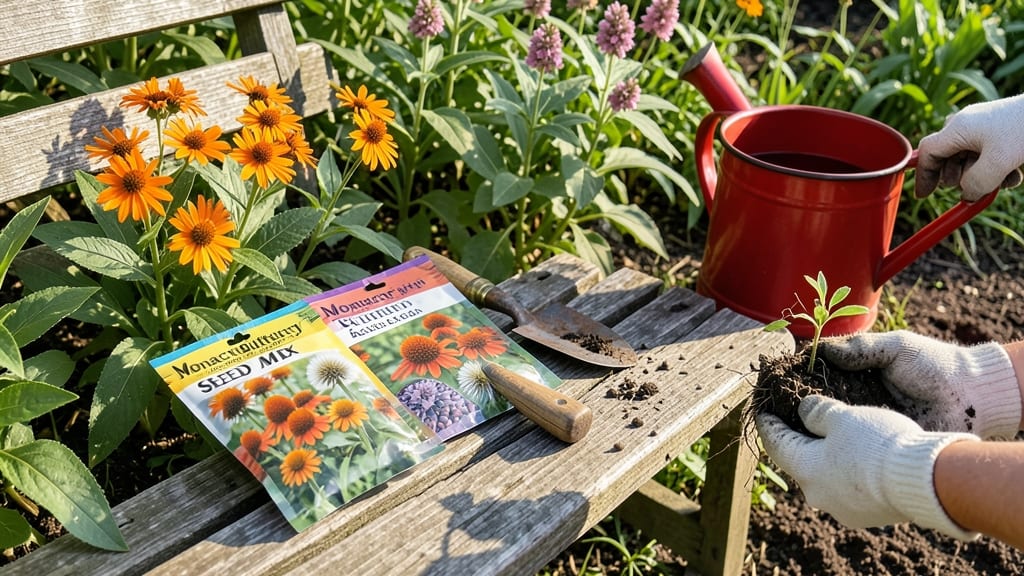
Your monarch butterfly seed mix transforms a patch of soil into a vibrant nectar station in just 60 days. 🌱 I’ve planted these exact seeds every spring for three years, and my yard now hosts flutters of orange wings by early summer—something my neighbors still marvel at.
The secret lies in cold-stratification, a simple process that mimics nature’s timing cues to trigger faster, more reliable germination.
You’ll need a sunny spot with well-draining soil, a handful of seeds, and a little patience for the cold treatment. Most seed mixes include milkweed (the only host plant for monarch caterpillars) and nectar-rich flowers like coneflowers or bee balm.
The key is preparing the soil right—loose, slightly sandy, and free of weeds—so those delicate roots can establish without competition.
By mid-summer, you’ll have towering milkweed stalks and clusters of blooms that monarchs can’t resist. The ecological payoff is immediate: more butterflies mean more pollination for your garden and a critical food source for migrating populations. Even a small container on your balcony can make a difference.
Troubleshooting is easy once you know the signs: slow germination? Try a longer cold treatment. No butterflies? Add more nectar plants nearby. This mix works in containers, raised beds, or ground plots—just give it sun, water, and space to grow. Let’s get those seeds planted!
📚 In This Guide
- What you need
- Instructions
- Tips and common mistakes
- Wrapping up and next steps
What you need
- ● Seeds: Milkweed (Asclepias spp.) – 20-30 seeds (the monarch caterpillar’s only food source!)
- ● Native wildflowers – 10-15 seeds (e.g., purple coneflower, black-eyed Susan, or butterfly weed)
- ○ Optional nectar plants – 5-10 seeds (e.g., goldenrod, asters, or bee balm)
- ● Cold-stratification supplies: Plastic bag or container with a ziplock seal
- ● Moistened paper towels or peat moss (enough to surround seeds)
- ● Planting tools: Small hand trowel or spoon
- ○ Garden gloves (optional but recommended)
- ● Soil: Well-draining potting mix (or native soil amended with compost)
- ● Watering can or spray bottle (with a fine mist setting)
- ● Seedling trays or biodegradable pots (for transplanting)
- ● Labeling tags (to track seed varieties)
- ● Mulch or straw (to retain moisture and suppress weeds)
- ● Butterfly-friendly fertilizer (low in phosphorus, high in nitrogen)
- ● Sunlight monitor (to ensure 6+ hours of direct sun daily)
Step-by-step instructions for growing monarch butterfly seed mix
Here's how to transform a simple seed mix into a pollinator magnet within two months.
🌱 Step 1: Prepare the Planting Site or Containers
Choose a location with full sun—at least 6-8 hours of direct sunlight daily. Monarchs need nectar-rich blooms, so well-drained soil is critical. If planting in containers, use 6-inch deep pots with drainage holes to prevent root rot. I like to mix 3 parts potting soil with 1 part perlite for extra aeration.
For in-ground planting, loosen the soil to a depth of 12 inches and work in 2 inches of compost to enrich the mix. Monarch caterpillars prefer milkweed, so if your mix includes it, ensure the soil isn't too dense—milkweed roots need room to spread. Test the soil's moisture by squeezing a handful; it should hold together but not be soggy.
💧 Step 2: Sow Seeds at the Right Depth and Spacing
Scatter seeds evenly, spacing them 6-12 inches apart for in-ground planting or 4-6 inches apart in containers. Monarch seed mixes often contain milkweed, which can spread aggressively, so spacing matters. Press seeds lightly into the soil—just enough to cover them with ¼ inch of soil—but don’t bury them too deeply.
Water gently but thoroughly right after sowing, using a fine mist setting on your watering can to avoid displacing seeds. The soil should be moist to a depth of 1 inch, but not waterlogged. I like to water in the morning so any excess moisture evaporates by evening, reducing the risk of fungal issues.
⏰ Step 3: Cold-Stratify for Faster Germination
Monarch seeds often require cold stratification to break dormancy. Place your planted containers or marked in-ground areas in a refrigerator (or a shaded outdoor spot in winter) for 4-6 weeks. Keep the soil consistently moist but not wet—this mimics natural winter conditions and tricks seeds into thinking spring has arrived.
After the cold period, move the seeds to a warm, sunny spot (around 70-75°F). Germination typically takes 7-14 days, but some varieties may take longer. Watch for the first true leaves—these will be small and round, signaling successful sprouting. If you’re impatient, a seedling heat mat can speed up germination by 3-5 days.
☀️ Step 4: Maintain Moisture and Fertility for Blooms
Once seedlings emerge, keep the soil evenly moist but avoid overwatering—monarch plants wilt easily if soggy. Water at the base of the plant in the morning to prevent fungal diseases. Fertilize lightly with a balanced, water-soluble fertilizer (10-10-10) every 4-6 weeks once flowers appear. Too much fertilizer encourages leafy growth over blooms, which monarchs need for nectar.
Thin seedlings if overcrowded, leaving the strongest plants 12-18 inches apart. This ensures better airflow and reduces competition. Deadhead spent blooms regularly to encourage continuous flowering—monarchs rely on nectar, and fresh blooms mean more visits. You’ll know you’re on track when you see butterflies hovering over the flowers by day 60.
Tips & tricks for perfect monarch butterfly blooms
Transforming your garden into a monarch haven takes more than just planting—here’s how to maximize your success with these battle-tested strategies.
Sunlight Strategy: The 6-8 hours of full sun requirement is non-negotiable for monarchs, but not all sunlight is equal. South-facing locations get the most consistent light, while east-facing spots provide gentle morning warmth that’s perfect for early blooms. If your garden has partial shade, prioritize the sunniest areas for milkweed—their host plant—since caterpillars need it more than nectar plants. Consider adding a small reflective surface nearby (like a white wall or mirror) to bounce extra light onto shadier patches.
Soil Science: Monarch caterpillars are picky eaters, and milkweed roots need loose, airy soil to thrive. When mixing your 3 parts potting soil to 1 part perlite, add a handful of worm castings to the mix—this boosts microbial activity without overfeeding. For in-ground planting, the 2 inches of compost should be worked into the top 6 inches of soil only; deeper compost can create anaerobic zones that stunt root growth. Test your soil’s pH too—monarch plants prefer a slightly acidic to neutral range (6.0-7.0).
Cold-Stratification Hack: The 4-6 weeks of cold stratification is crucial, but timing matters. Start this process 8-10 weeks before your last frost date—this ensures seeds are ready to sprout as soon as spring arrives. For container growers, place pots in a sealed plastic bag during stratification to retain moisture without overwatering. Pro tip: Label your containers with the stratification start date to avoid mixing up batches. If you’re impatient, you can extend the cold period to 8 weeks for some varieties, but don’t exceed this—longer stratification can reduce germination rates.
Bloom Optimization: The day 60 butterfly milestone depends on continuous blooms, not just initial flowers. Deadhead spent blooms every 3-4 days to trigger new flower production, but leave some seed pods if you want to support monarchs’ next generation. For container gardens, rotate pots weekly to ensure all sides get equal sunlight exposure. If you notice fewer blooms than expected, check your 10-10-10 fertilizer ratio—too much nitrogen (the first number) promotes leaves over flowers. Cut back to half-strength fertilizer after the first bloom cycle to encourage more nectar-rich flowers.
Pro Tips for Monarch Butterfly Seed Mix
- Transforming your garden into a monarch haven takes more than just planting—here’s how to maximize your success with these battle-tested strategies.
- Sunlight Strategy: The 6-8 hours of full sun requirement is non-negotiable for monarchs, but not all sunlight is equal.
- Soil Science: Monarch caterpillars are picky eaters, and milkweed roots need loose, airy soil to thrive.
Frequently asked questions
Got questions about growing monarch butterfly seed mixes? You’re not alone!
Here are the answers to some of the most common queries to help you create a thriving pollinator-friendly garden with ease.
What’s the best time to plant monarch butterfly seed mix?
For fastest results, sow seeds in early spring (after the last frost) or late summer. Cold-stratification (chilling seeds for 60 days) mimics winter conditions, tricking seeds into germinating quickly. If you’re impatient, try planting in fall—winter’s chill does the work for you!
Can I grow monarch butterfly seed mix in containers?
Use deep pots (at least 12 inches) with well-draining soil and place them in full sun. Containers are great for balconies or small spaces—just ensure they’re large enough for roots to spread. Bonus: Move pots to follow the sun’s path for maximum blooms.
Why aren’t my seeds germinating?
Seeds need moisture, warmth, and time. Keep soil consistently damp (not soggy) and place trays in a sunny spot. If using cold-stratification, ensure seeds stay chilled (but not frozen) for 60 days. Patience is key—some varieties take 2–3 weeks to sprout.
What if I don’t have milkweed in my mix?
Monarchs need milkweed to lay eggs, so if your mix lacks it, add Asclepias species (like Asclepias tuberosa or Asclepias syriaca) separately. These seeds also benefit from cold-stratification. Pair them with nectar-rich flowers (like coneflowers or bee balm) for a full pollinator buffet!
Will this mix attract other beneficial insects?
Yes! Monarch seed mixes often include pollinator favorites like cosmos, black-eyed Susans, and asters. These flowers draw bees, butterflies, and even hummingbirds. For extra biodiversity, add native wildflowers—your garden will buzz with life!
Still stumped? Drop your question below—we’re happy to help you grow a monarch magnet!
Wrapping up and next steps
Growing your own monarch butterfly seed mix is a rewarding way to support pollinators and add vibrant color to your garden in just 60 days! With the right cold-stratification and care, these seeds transform into stunning blooms that attract monarchs and other beneficial insects.
Whether you're a seasoned gardener or a beginner, this mix offers an easy, impactful project for any outdoor space.
Ready to take the next step? Grab your seeds, follow the steps, and watch your garden flourish—your future monarch friends will thank you! 🦋🌸