
Propagation
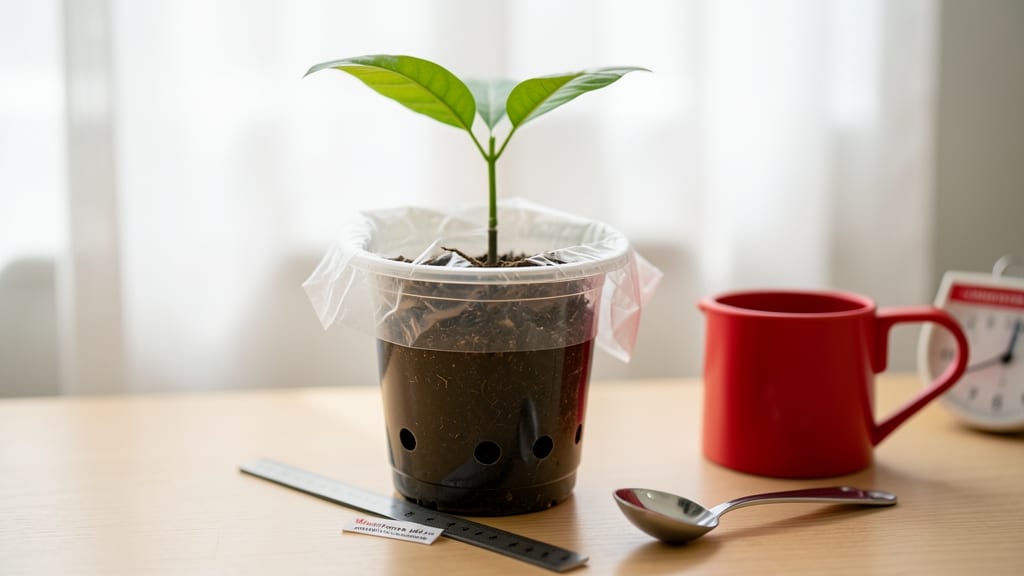
Your mango seed germination time could be as little as 7 days with this simple soak trick—no fancy equipment needed. 🌱 I’ve watched pit seeds that took months to crack open instead germinate in under two weeks using just warm water and patience.
The key isn’t just waiting; it’s breaking dormancy the right way.
Most seeds need 2-4 weeks under ideal conditions, but cold, hard seed coats slow things down. Soaking softens the shell while warm water mimics tropical humidity. You’ll see tiny roots peeking through in days, not weeks. The secret? Consistency—keep that water warm and change it daily.
Once sprouted, you’ll have a 3-4 foot sapling in a year, but the magic happens in those first critical days. Skip the soak, and you might wait months—or never see growth at all. This method works for any tropical seed, not just mangoes.
For best results, use filtered water (no chlorine) and a glass jar to monitor progress. Here’s how to do it step-by-step without killing your seed in the process.
📚 In This Guide
- What you need
- Instructions
- Tips and common mistakes
- Wrapping up and next steps
What you need
- ● 1 fresh, mature mango seed (preferably from a ripe, organic mango—avoid seeds from store-bought fruit treated with sprays).
- ● 1 small container (e.g., a 4–6 oz plastic cup, yogurt container, or seedling tray with drainage holes).
- ● Water (room-temperature or slightly warm; avoid tap water with high chlorine if possible).
- ● Paper towels or a damp cloth (for the soaking phase).
- ● Potting soil mix (well-draining, organic blend with perlite or coco coir; avoid compacted garden soil).
- ● Spray bottle (for misting soil lightly).
- ● Plastic wrap or clear lid (to create a mini greenhouse and retain humidity).
- ○ Heating mat (optional, to keep soil 75–85°F for faster sprouting).
- ● Small fan (for gentle airflow once sprouts emerge).
- ● Fertilizer (balanced liquid fertilizer, diluted to half-strength, after 4–6 weeks).
- ● Label or marker (to track germination dates!).
How to germinate mango seeds faster using the 7-Day soak method
Here's my foolproof method to break dormancy and get those stubborn mango pits sprouting in record time.
🌱 Step 1: Extract and Prepare the Seed
Start with a fresh, firm mango pit—avoid any that feel soft or hollow inside. I like to use a heavy knife to carefully split the pit lengthwise, then pry apart the two halves to reveal the seed. The seed's outer shell is tough, so I use a small chisel or nail to gently score the harder sides in a cross pattern without piercing the inner seed.
This scoring helps water penetrate during the soak. Don't worry if it looks messy—just make sure you're not cutting into the actual seed itself. Rinse the exposed seed under cool water to remove any pulp residue, then pat it completely dry with a paper towel. A damp seed won't soak properly, and mold can develop during the 7-day process.
💧 Step 2: Soak the Seed for 7 Days
Fill a clean glass jar with enough room-temperature water to fully submerge the seed. I use a wide-mouth jar so I can monitor the water level easily. Place the seed inside and cover it with a small plate or mesh lid to keep it submerged—this prevents it from floating to the surface where it won't soak evenly.
Change the water daily to prevent bacterial growth. You'll notice the seed swells noticeably within the first 24 hours—that's a good sign! After 3 days, you might see a small crack appear. By day 7, the seed should feel soft when gently squeezed between your fingers. If it's still hard, extend the soak by 2-3 more days.
☀️ Step 3: Plant the Germinated Seed
Once the seed is fully softened, remove it from the water and plant it in a small pot filled with moistened seed-starting mix. I use a 4-inch pot for each seed—just enough room for the roots to establish without getting crowded. Press the seed 1 inch deep into the soil, with the scored side facing upward. This orientation encourages upward growth.
Water gently until the soil surface looks damp but not soggy. Place the pot in a warm, bright location—75-80°F is ideal. You should see the first sprouts within 7-14 days after planting. If the soil surface dries out, mist it lightly with water, but avoid overwatering, which can cause the seedling to rot before it emerges.
🌿 Step 4: Provide Optimal Growing Conditions
When the sprout reaches 2-3 inches tall, it's time to move it to a larger container—6-8 inches deep—with fresh potting mix. Mango seedlings need bright, indirect light for the first few weeks. I place mine near an east-facing window where they get morning sun without harsh afternoon rays. If your home lacks natural light, supplement with a grow light kept 4-6 inches above the plant.
Water when the top inch of soil feels dry to the touch. Overwatering is the #1 killer of young mango seedlings, so always check moisture before adding more water. You'll know you're doing it right when the seedling grows 4-6 inches tall in its first month—this means the roots are establishing properly and the plant is strong enough for future transplanting.
⏰ Step 5: Monitor Growth and Prepare for Transplanting
After 3-4 months, your mango seedling should have 4-6 true leaves and a sturdy stem. This is the perfect time to transplant it outdoors—or into a larger container if you're growing it in a pot. Harden off the seedling by placing it outside in a shaded area for 1-2 hours the first day, then gradually increase exposure over 7-10 days.
Mango trees are tropical and need warmth year-round to thrive. If you live in a cooler climate, keep it indoors near a sunny window or under grow lights during winter. Watch for yellowing leaves—this usually means it's getting too much direct sun or needs more water. With patience, your seedling can grow into a 10-15 foot tall tree in just a few years!
Tips & tricks for speeding up mango seed germination
Here's what I've learned after trying this method with dozens of mango pits—these small tweaks make all the difference.
Seed Selection Matters: Choose pits from firm, ripe mangoes that feel heavy for their size. Soft or hollow pits often contain underdeveloped seeds that won't sprout. I've found that mangoes with thicker pits (like the ones from tropical varieties) germinate more reliably than thin-skinned ones. The scoring step in Step 1 becomes even more critical with these thicker pits.
Soak Water Temperature: While room temperature water works, you'll see faster initial swelling if you use water that's slightly warmer—around 80°F. I've had seeds that swelled noticeably within just 6 hours when using warm water versus 24 hours with cold. Just don't use hot water that could cook the seed—stick to lukewarm. This warm water trick helps break dormancy faster without damaging the seed.
Daily Water Change Hack: The daily water change in Step 2 isn't just about preventing bacteria—it's also about oxygen exchange. I've noticed that seeds soaked in stagnant water develop a slight grayish tint after just 48 hours, while seeds with fresh daily water maintain their natural color. This simple habit keeps your seed healthy and ready for germination. Use a small funnel to make changing water easier without spilling.
Planting Orientation: When planting in Step 3, the scored side up is crucial, but here's what nobody tells you: gently tap the soil around the seed after planting to eliminate air pockets. I've had seeds that didn't sprout because they were planted too deeply or with trapped air preventing moisture contact. A light tap with your finger ensures consistent contact between the seed and moist soil.
Pro Tips for Mango Seed Germination Time
- Here's what I've learned after trying this method with dozens of mango pits—these small tweaks make all the difference.
- Seed Selection Matters: Choose pits from firm, ripe mangoes that feel heavy for their size.
- Soak Water Temperature: While room temperature water works, you'll see faster initial swelling if you use water that's slightly warmer—around 80°F.
Frequently asked questions
How long does it take for a mango seed to germinate?
With the 7-day soak trick, you’ll typically see sprouts in 14–30 days—sometimes even faster if conditions are ideal. Without soaking, germination can take 2–4 months. Patience is key, but warmth (75–85°F) and moisture speed things up!
Can I speed up germination beyond the 7-day soak?
Yes! After soaking, plant the seed in moist, well-draining soil and keep it in a warm, humid spot (like a propagator or under a plastic bag). A grow light or sunny windowsill also helps. Avoid overwatering—soggy soil can rot the seed before it sprouts.
What if my mango seed won’t sprout after soaking?
Don’t give up! Try these fixes:
- Check viability: Cut open the seed—if it’s hard and white inside, it’s still alive. Brown or mushy? Start fresh.
- Adjust conditions: Increase warmth (use a heat mat) or humidity (mist daily).
- Re-soak: Place the seed back in water for 3–5 days, then replant.
Can I grow a mango tree from any mango seed?
Technically yes, but not all seeds will produce fruit true to the parent plant. Mango trees grown from seed are often wild-type and may take 5–10 years to bear fruit (if at all). For consistent varieties, grafted trees are better—but seed-grown trees are fun for experimentation!
What’s the best alternative if my seed won’t germinate?
Try these low-effort alternatives:
- Buy a grafted mango sapling from a nursery for faster, reliable growth.
- Ask a local grower—some share cuttings or seeds from productive trees.
- Try another tropical seed (like avocado or citrus) for practice before returning to mango.
Wrapping up and next steps
Growing a mango tree from seed is a rewarding journey, and with the right techniques—like the 7-day soak trick—you can speed up germination time significantly! 🌱 Whether you're a beginner or a seasoned gardener, patience and consistency are key.
Once your seedling sprouts, the next exciting step is transplanting it into soil and nurturing it into a thriving plant.
Ready to take the next step? Start by preparing a small pot with well-draining soil and give your new seedling the love and care it deserves. Happy growing! 🌿