
Planting
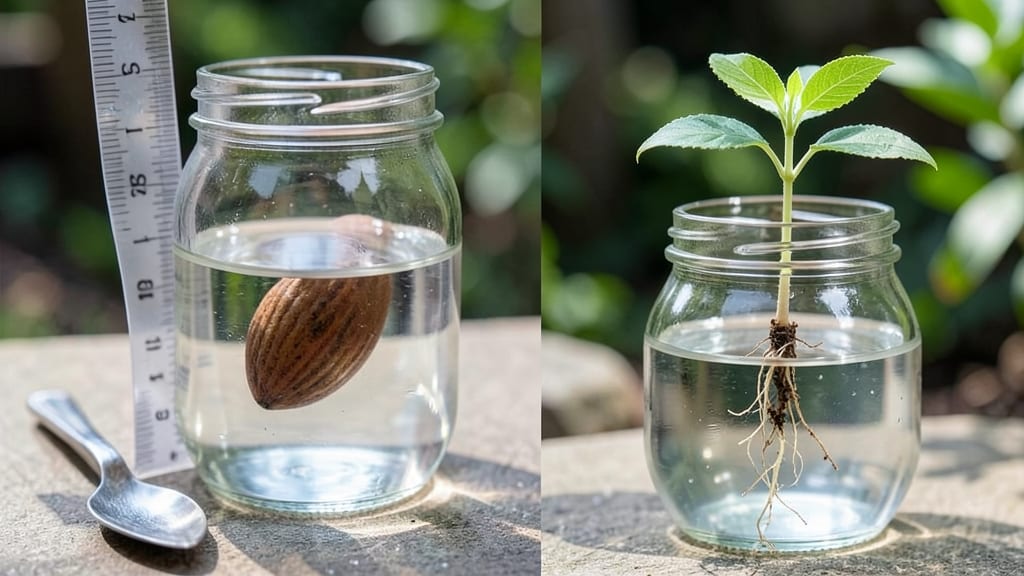
Planting a mango seed in water is the easiest way to grow a tiny tree from your grocery store fruit—no green thumb required. 🌱 I’ve turned dozens of discarded pits into little seedlings, and the process is simpler than you’d think, with visible roots appearing in just 2-3 weeks.
The key is patience and keeping the water fresh, which prevents mold before the sprout even emerges.
You only need three things: a fresh mango pit (washed and dried), a small glass or jar, and room-temperature water. The seedling stage is all about watching—roots will start as tiny white threads, then thicken into a sturdy base ready for soil.
Most people rush this step, but letting the roots grow 1-2 inches before transplanting gives the plant a fighting chance.
Once those roots hit 2-3 inches, it’s time to move the seedling to soil. I use a small pot with well-draining mix and keep it in bright, indirect light—no direct sun yet.
The first leaves will appear within 4-6 weeks, and that’s when the real magic happens. You’ll have a 3-foot-tall sapling in a year if you keep it happy.
Troubleshooting is simple: mold? Change the water. No growth? Check the water level—it should always cover the seed but not drown it. And yes, most seeds won’t sprout, but that one that does makes the whole experiment worth it. Here’s how to set it up right the first time.
📚 In This Guide
- What you need
- Instructions
- Tips and common mistakes
- Wrapping up and next steps
What you need
- ● Fresh mango seed – Choose a seed from a ripe, organic mango (avoid hybrids if you want true-to-type fruit).
- ● Clean water – Use filtered or distilled water (chlorine-free) to avoid harming the seed.
- ● Small glass or jar – A 16–24 oz mason jar or clear container works best (so you can monitor root growth!).
- ● Paper towel or coffee filter – To wrap the seed and encourage germination.
- ● Rubber band or string – To secure the paper towel around the seed.
- ● Pencil or chopstick – To prop open the jar lid slightly (for airflow).
- ○ Spray bottle (optional but helpful) – To mist the seed gently if needed.
- ● Grow light or sunny windowsill – Once sprouted, your seedling will need 6–8 hours of light daily.
- ● Small pot with drainage holes – For transplanting after roots develop (2–3 inches long).
- ● Potting soil mix – A well-draining blend (e.g., 60% potting soil + 40% perlite/sand).
- ● Humidity dome or plastic wrap – To maintain moisture during germination.
- ● Fertilizer (diluted) – A balanced liquid fertilizer (like 10-10-10) for later growth stages.
Step-by-Step instructions for growing a mango seedling in water
Here’s how to turn a single mango pit into a thriving little tree—no soil required!
🌱 Step 1: Prepare the Mango Pit for Planting
Start with a fresh mango pit—one that’s still moist inside. If it’s dried out, soak it in warm water for 24 hours to soften the outer shell. Use a clean knife to carefully slice off the hard outer layer, exposing the seed inside. Rinse away any remaining fruit residue, as it can attract mold.
Place the pit between two paper towels and wrap them loosely around it. Dampen the towels with water (not soaking wet) and store in a sealed plastic bag. Keep it in a warm spot—around 70-75°F—for 3-5 days. You’ll know it’s ready when you see tiny white roots peeking out from one end.
💧 Step 2: Set Up the Water Container
Fill a clear glass or jar with 2-3 inches of room-temperature water. The clarity lets you monitor root growth without disturbing the seed. Gently place the mango pit in the water, making sure only the root end is submerged—never the top half. The seed needs air to breathe, just like a tiny tree!
Change the water every 2-3 days to prevent bacteria buildup. Use a clean glass each time—old water can turn cloudy, signaling it’s time for a refresh. Place the container in bright, indirect light (like an east-facing windowsill). Direct sun can overheat the water and stress the seed.
🌿 Step 3: Watch for Sprouting and Early Growth
Within 1-2 weeks, you’ll spot a crack in the seed’s shell—this is your first sign of life! A tiny sprout will push through within 3-5 days after that. Keep the water level consistent—never let the roots dry out, but avoid submerging the seed entirely. Roots should stay underwater, while the top stays dry.
Once the sprout reaches 2-3 inches tall, it’s time to transition to soil. The seedling is now strong enough to handle a pot. Here’s the thing—don’t rush this step. If the leaves turn yellow or wilt, it’s a sign the water’s too dirty or the seedling’s outgrown its water phase.
⏰ Step 4: Transition to Soil (When Ready)
Prepare a small pot with well-draining potting mix (mix in perlite for aeration). Fill a shallow tray with water and let the soil absorb moisture from the bottom—this keeps the mix damp but not soggy. Gently remove the seedling from the water, shaking off excess moisture, and plant it just below the soil line where the seed meets the sprout.
Place the pot in bright, indirect light for the first week to help it adjust. Water lightly when the top inch of soil feels dry. Overwatering now can drown the delicate roots. You’ll see new leaves emerge within 2-3 weeks—that’s your signal everything is working!
Tips & tricks for planting a mango seed in water
Here's what nobody tells you about growing a mango from seed—these little details make all the difference between a thriving seedling and a sad, wilted failure.
Root Development: In Step 1, when you're waiting for those first white roots to appear, here's the thing: don't be tempted to rush the process. The 3-5 days in warm conditions (around 70-75°F) is critical. I've seen people try to speed it up by using warmer water or wrapping the pit tighter—don't do it! The seed needs consistent moisture without being soggy. If you notice mold forming on the towels, that's your cue to open the bag for better airflow.
Water Level Watch: During Step 2, maintaining the 2-3 inches of water might seem simple, but here's the secret: use a clear container so you can see the roots growing without disturbing them. I like to mark the water level with a permanent marker on the outside of the glass. When the roots reach about 1 inch, that's when you'll start seeing the first crack in the seed shell—your first sign of life! Keep the water level just below where the seed sits, never covering the top half.
Lighting Strategy: That bright, indirect light in Step 2 and Step 4 is non-negotiable. I've had the best success with east-facing windows where the morning sun is gentle. If you only have south-facing windows, use a sheer curtain to diffuse the light. Too much direct sun can overheat the water and stress the delicate seedling. You'll know you've got the right balance when you see the seedling leaning slightly toward the light—nature's way of telling you it's happy!
Transition Timing: When your sprout reaches 2-3 inches in Step 3, that's your green light to transition to soil. But here's what I learned the hard way: don't wait until it's 3 inches! At that size, the seedling is more fragile. The moment you see those first true leaves (not the seed leaves), that's when you should start preparing your potting mix. I mix in perlite to ensure good drainage—this prevents the classic rookie mistake of overwatering that drowns the delicate roots.
Pro Tips for Plant A Mango Seed In Water
- Here's what nobody tells you about growing a mango from seed—these little details make all the difference between a thriving seedling and a sad, wilted failure.
- Root Development: In Step 1, when you're waiting for those first white roots to appear, here's the thing: don't be tempted to rush the process.
- Water Level Watch: During Step 2, maintaining the 2-3 inches of water might seem simple, but here's the secret: use a clear container so you can see the roots growing without disturbing them.
Frequently asked questions
Got questions about growing a mango tree from a seed?
You’re not alone! Here are answers to the most common queries—so you can turn that pit into a thriving plant with confidence.
How long does it take for a mango seed to sprout in water?
A mango seed typically sprouts roots within 2–4 weeks when kept in water. Once roots reach 1–2 inches long, you can transfer it to soil. Patience is key—some seeds take longer, especially if the water isn’t changed regularly or temperatures are cool (<60°F/15°C).
Can I plant a mango seed directly in soil without water?
Yes, but success rates drop! Soaking the seed in water for 24–48 hours first speeds up germination. If planting dry, keep the soil consistently moist (not soggy) and place it in a warm, sunny spot. A seedling tray with drainage works best—just be prepared for slower growth.
Why is my mango seed rotting in water?
Overwatering or stagnant water causes rot. To fix it:
- Change the water every 2–3 days to keep it fresh.
- Use filtered or room-temperature water (tap water with chlorine can harm the seed).
- Ensure only ½ inch of the seed is submerged—never the entire pit.
- If mold appears, rinse the seed and start fresh with clean water.
How do I know when the seedling is ready to move to soil?
Your seedling is ready when it has roots 1–2 inches long and a tiny sprout (cotyledon) peeking out. Choose a well-draining potting mix (like cactus/succulent blend) and plant it shallowly—only bury the roots, not the seed coat. Keep soil moist for the first week.
Will my mango tree grown from seed actually produce fruit?
Probably not the same variety as the parent tree! Mango seeds are not true-to-type, meaning your tree may grow wild-type fruit (smaller, less sweet) or even no fruit at all. For edible mangoes, grafted trees are the way to go—but growing from seed is still a fun (and free!) way to nurture a tropical plant!
Bonus Tip:
If your seedling’s leaves turn yellow, it’s often a sign of overwatering. Let the soil dry slightly between waterings, and ensure the pot has drainage holes. A sunny windowsill (or grow light) keeps your little tree happy!
Wrapping up and next steps
Growing a mango seed in water is a simple yet rewarding way to nurture a tiny tree and witness nature’s magic firsthand!
With patience and care, you’ll soon have a thriving sapling ready for transplanting. Now that you’ve mastered the basics, why not share your new green thumb skills? Encourage friends or family to try it too—or explore transplanting tips to give your mango seedling the best start in soil. 🌱✨