
Size
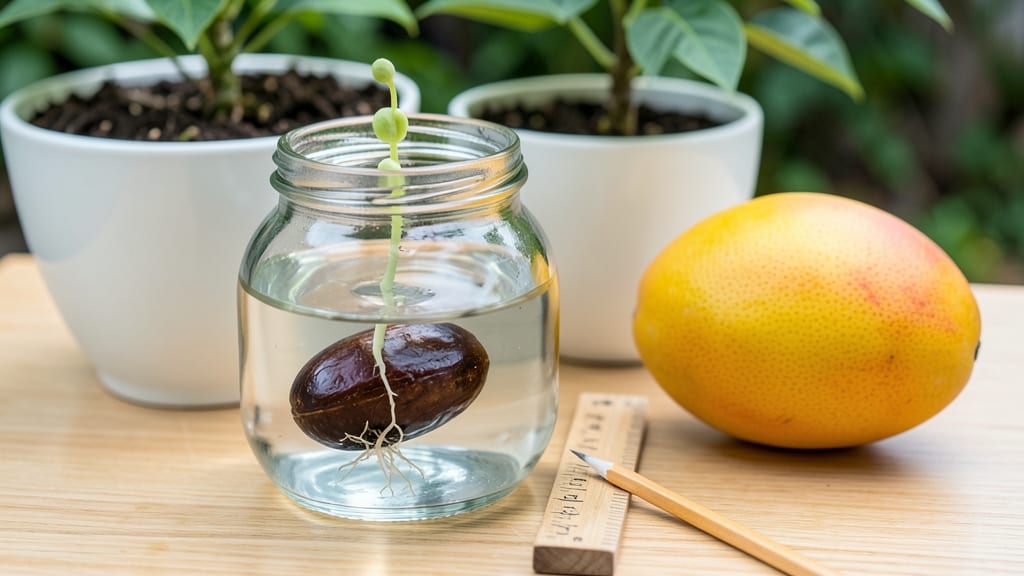
Growing a mango seed in water is the fastest way to get roots—2-3 weeks if you do it right. 🌱 I’ve watched seeds sprout in my kitchen with just a glass of water, and the excitement of seeing those first roots is unbeatable.
The key is patience and keeping the water fresh, but even beginners can nail this with a few simple steps.
You’ll need a ripe mango (the fresher, the better), a clean glass or jar, and fresh water. No fancy tools—just what you have at home. The trick is to clean the seed well, remove the hard outer shell, and let it soak in water while keeping it upright.
Change the water every 2-3 days to prevent mold, and soon you’ll see tiny white roots reaching down.
Once those roots hit 2-3 inches, it’s time to plant in soil. The transition can be tricky—some seeds bolt upward too fast—but with a little support, they’ll settle in and start growing leaves.
You’ll be pinching off new growth in 4-6 weeks, and before you know it, you’ve got a tiny mango tree to nurture.
This method works for any tropical seed—just adjust the water changes based on your climate. The biggest mistake? Letting the water sit too long or using tap water with chlorine. Stick with filtered or bottled water, and you’ll avoid moldy disasters. Ready to start?
📚 In This Guide
- What you need
- Instructions
- Tips and common mistakes
- Wrapping up and next steps
What you need
- ● Mango seed: 1 fresh, plump seed (preferably from a ripe, organic mango—avoid treated seeds).
- ● Clean glass or jar: 1 clear container (8–16 oz, like a mason jar or drinking glass) to monitor root growth.
- ● Fresh water: Room-temperature, filtered or tap water (changed every 2–3 days).
- ● Small plate or saucer: 1 to place under the glass to catch spills.
- ● Scissors or knife: 1 (for trimming the seed if needed).
- ○ Paper towels or cloth: A few sheets to wrap the seed (optional but helpful for pre-sprouting).
- ○ Rooting hormone: 1 small bottle (speeds up root development—optional but great for faster results!).
- ● Pebbles or small stones: A handful to add to the water for stability (keeps the seed upright).
- ● Grow light or sunny windowsill: For extra light once roots appear (south-facing window or LED grow light works best).
- ● Notebook or camera: To track progress and celebrate those first roots! 📸
Step-by-step instructions for growing a mango seed in water
Here's how to coax roots from a mango pit in record time—no soil required.
🌱 Step 1: Select and Prepare Your Mango Seed
Start with a fresh, fully ripe mango—overripe seeds germinate poorly. Cut open the fruit carefully with a sharp knife, then peel away the fleshy interior to reveal the seed. Rinse it under cool water to remove any lingering fruit pulp, which can rot.
Here's the thing—some mango seeds germinate faster if you lightly sand the hard outer shell. Use fine-grit sandpaper to rub the seed's sides for about 30 seconds on each side. This doesn't damage the seed but helps water penetrate the tough shell faster. Place the seed on a paper towel to dry for 15 minutes afterward.
💧 Step 2: Set Up Your Water Container
Fill a small glass or jar with room-temperature water—never cold, as that shocks the seed. The container should be wide enough to hold the seed without tipping over, but not so large that the water evaporates too quickly. I use a 12-ounce mason jar because it gives the seed enough stability while keeping the water level consistent.
Place the seed in the jar so the pointed end faces upward (this is where the sprout will emerge). The seed should float freely—if it sinks, it's too heavy. Change the water every 2-3 days to prevent bacterial growth. You'll see tiny bubbles forming around the seed within 3-5 days—that's your first sign of life!
☀️ Step 3: Position for Optimal Germination
Mango seeds need warmth and indirect light to sprout. Place your jar in a spot that gets bright, filtered sunlight—like a windowsill facing east or west. Avoid direct midday sun, which can overheat the water and cook the seed. The ideal temperature range is 70-80°F, so a kitchen counter or sunny bathroom works best.
Watch for the first sign of roots—tiny white tendrils will appear within 7-14 days. Once roots reach 1-2 inches, it's time to transition to soil. Real talk: If the water gets cloudy or smells funky, dump it and refresh with clean water immediately. Stagnant water is the #1 killer of germinating seeds.
🌿 Step 4: Transition to Soil When Roots Are Ready
When roots reach 1-2 inches, it's time to plant. Fill a small pot (at least 4 inches deep) with well-draining potting mix. Make a small hole in the center and gently place the seedling in, covering the roots but leaving the top half exposed. Press the soil lightly around the roots to secure the seedling.
Water gently until the soil is moist but not soggy. Place the pot in a warm, sunny spot and keep the soil consistently moist. You'll see the first true leaves emerge within 2-4 weeks. This is the moment that matters: If the seedling wobbles or looks pale, it needs more light—move it within 3 inches of a bright window or use a grow light.
⏰ Step 5: Maintain Growth for a Healthy Sapling
Once your mango seedling has established itself in soil, reduce watering to once a week, letting the top inch of soil dry out between waterings. Mango trees love warmth and hate drafts, so keep it in a spot with consistent temperatures above 60°F. If you notice leaves yellowing, it's usually a sign of overwatering—let the soil dry out more between waterings.
After 3-4 months, you can transplant to a larger pot or outdoor garden (if you live in a tropical or subtropical climate). Don't rush this step—wait until the seedling has 4-6 true leaves and a sturdy stem. Patience here pays off: A well-cared-for mango seedling can live for decades and eventually produce fruit!
Tips & tricks for growing mango seeds in water
Want to speed up those roots and avoid common pitfalls? These simple tricks will help you grow a thriving mango seedling in record time.
Seed Preparation Secret: The 30-second sanding trick in Step 1 isn't just about speed—it creates microscopic pores in the seed's tough shell. This allows water to penetrate faster, which is why you'll see those first bubbles within 3-5 days instead of waiting weeks. Just be gentle: you're not trying to carve the seed, just rough up the surface lightly. After sanding, that 15-minute drying period is crucial—it prevents the seed from absorbing too much water too quickly, which can cause rot.
Container Size Matters: That 12-ounce mason jar recommendation isn't arbitrary—it balances stability with water evaporation. Too large a container means water evaporates too quickly, requiring more frequent changes that can stress the seed. Too small, and the seed might tip over. For extra stability, place a small piece of mesh or cheesecloth over the jar's mouth to keep the seed in place while still allowing air circulation. This prevents the seed from floating too freely and potentially tipping.
Light Positioning Hack: While east or west windows provide perfect filtered light, don't overlook your kitchen counter's under-cabinet lighting. If you're working in a north-facing apartment or during winter months, supplement with a simple LED grow light placed 6-12 inches above the jar. The key is maintaining that 70-80°F range—if your windowsill gets too cold, the seed's metabolic processes slow dramatically, delaying root growth by weeks.
Root Growth Rescue: If your roots stall at just under 1 inch, try this: Gently swirl the jar to create gentle water movement around the seed. The slight agitation mimics natural rainfall and can stimulate dormant root growth. You can also add a pinch of cinnamon (½ teaspoon) to the water when changing it—its natural antifungal properties prevent bacterial growth that might be inhibiting root development. Just remember to rinse the jar thoroughly before reuse.
Pro Tips for Grow A Mango Seed In Water
- Want to speed up those roots and avoid common pitfalls?
- Seed Preparation Secret: The 30-second sanding trick in Step 1 isn't just about speed—it creates microscopic pores in the seed's tough shell.
- Container Size Matters: That 12-ounce mason jar recommendation isn't arbitrary—it balances stability with water evaporation.
Frequently asked questions
Got questions about growing a mango seed in water?
You’re not alone! Here are answers to the most common queries to help you succeed—no guesswork needed.
How long does it take for a mango seed to sprout in water?
Most mango seeds show roots in 2–3 weeks, but some may take up to 4–6 weeks depending on the seed’s freshness and water conditions. Keep the water warm (70–80°F) and change it every 2–3 days to speed things up. Patience is key—don’t rush it!
Can I grow a mango seed in water without sunlight?
While seeds need light to grow, they can survive 1–2 weeks in water alone before roots appear. Once roots form (about ½ inch long), move the jar to a bright, indirect spot (like a windowsill). Direct sunlight later helps, but avoid scorching the seedling. A grow light works too!
What if my mango seed only grows roots but no leaves?
Don’t panic! Some seeds focus on roots first. Once roots hit 2–3 inches, transfer it to soil (see our transplant guide). If it’s been 6+ weeks with no leaves, the seed may be dormant—try soaking it in warm water for 24 hours to wake it up. Pro tip: Use a hormone-free rooting gel to boost growth if needed.
Can I reuse the water from growing mango seeds?
Nope! Old water becomes stagnant and bacteria-filled, which can rot your seed. Always use fresh, room-temperature water (chlorine-free if possible). Rinse the jar with vinegar or bleach (1:10 ratio) between uses to keep it clean. Bonus: Save the water for plants—it’s nutrient-rich!
Will a mango seed grown in water actually produce fruit?
Yes, but it’s a long game! Seedlings take 3–5 years to bear fruit (if they survive). For faster results, graft a cultivar branch onto your seedling later. Most homegrown mangoes from seeds are sweeter but smaller than grocery-store varieties. Fun fact: Some seeds never fruit—pick healthy, plump seeds from ripe mangoes for the best odds!
What’s the fastest way to speed up root growth?
Try these science-backed hacks:
- Warmth: Place the jar near a heat source (like a lamp) to mimic tropical conditions.
- Hormone boost: Dip the seed in apple cider vinegar (1 tbsp per cup of water) for 1 hour before planting.
- Oxygen: Gently swirl the water daily to prevent mold and encourage root expansion.
Wrapping up and next steps
Growing a mango seed in water is a simple, rewarding way to nurture a tiny tree from scratch—and you’ve got everything you need to succeed! With patience, consistency, and a little care, you’ll watch those roots sprout in just weeks, setting the stage for a thriving plant.
Whether you’re a gardening newbie or a seasoned green thumb, this method is your perfect starting point.
Now that you’re armed with the know-how, why not take the next step? Once your seedling has strong roots, transfer it to soil and keep nurturing it—you might just grow a fruit-bearing tree someday! 🌱✨ Happy growing!