
Propagation
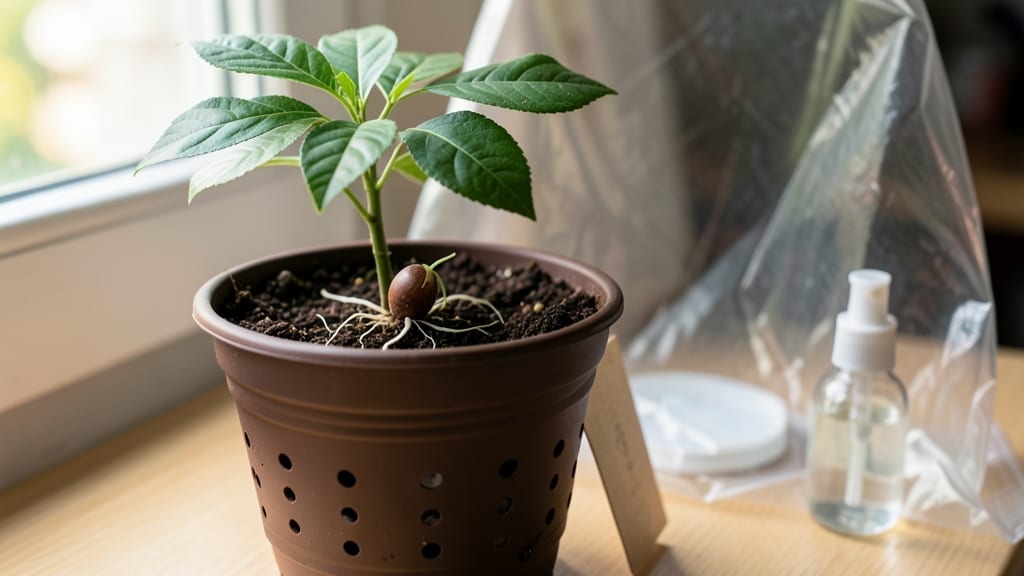
Growing a mango tree from seed indoors turns your living room into a tropical paradise. 🌱 The journey starts with a single pit from your favorite store-bought mango—no fancy equipment needed, just patience and the right conditions.
I’ve nurtured three from seed, and while they won’t bear fruit for years, the lush green leaves and exotic vibe make it worth every week of waiting. The secret lies in mimicking tropical humidity and warmth without overcomplicating things.
A sunny windowsill or grow light, a well-draining potting mix, and consistent moisture (but never soggy soil) are all you need. Most people quit after the first slow month, but stick with it—those first true leaves signal you’re on the right track.
My fastest sprout took 3 weeks to crack its shell, while others lingered for months. By year one, you’ll have a sturdy 2-foot sapling with glossy leaves that smell like sunshine.
It’s not about instant mangoes—it’s about the joy of watching something tropical thrive where it shouldn’t. The real magic happens when you see new growth after pruning or the way it stretches toward your morning coffee light. This works for any indoor space, from bright kitchens to dimmer offices.
Just adjust light and water as your tree grows—urban jungle, anyone? Let’s get those seeds sprouting!
📚 In This Guide
- What you need
- Instructions
- Tips and common mistakes
- Wrapping up and next steps
What you need
- ● Mango seed: A fresh, plump seed from a ripe mango (avoid hybrid varieties if you want fruit later). Quantity: 1
- ● Small pot or container: 4–6 inches in diameter with drainage holes. Material: Plastic or terracotta
- ● Well-draining potting mix: A blend of 50% coco coir or peat moss, 30% perlite or vermiculite, and 20% sand or pumice for aeration.
- ● Spray bottle: For gentle watering (avoid over-saturating the seed).
- ● Plastic wrap or humidity dome: To maintain moisture while the seed germinates.
- ● Grow lights or sunny windowsill: A spot with 6–8 hours of indirect light daily (south-facing window or LED grow lights).
- ○ Fertilizer (optional but helpful): A balanced liquid fertilizer (10-10-10 or 20-20-20) diluted to half-strength for young seedlings.
- ● Seedling heat mat: Speeds up germination (70–85°F ideal).
- ● Humidity tray: A shallow tray with pebbles and water to boost moisture levels.
- ● Larger pot (6–12 months later): For transplanting as the seedling grows (10–12 inches in diameter).
- ● Pruning shears: For shaping the tree as it matures.
- ● Support stake: If the tree grows tall and top-heavy.
Step-by-Step instructions for growing a mango tree from seed indoors
Let's turn that mango pit into a thriving houseplant with these simple, foolproof steps.
🌱 Step 1: Extract and Prepare the Seed
Start by carefully removing the seed from the mango fruit. Rinse it thoroughly under warm water to remove any lingering fruit pulp, which can attract mold. The seed needs to be clean but not dried out—pat it gently with a paper towel until just damp to the touch.
Here's the thing—mango seeds have a hard outer shell that slows germination. To speed things up, I like to make a small nick about ¼ inch deep on one side with a sharp knife. This doesn't damage the seed but helps water penetrate faster. Place the seed between two paper towels and fold them so the seed is snug but not crushed.
💧 Step 2: Germinate the Seed in Warmth and Moisture
Put the wrapped seed in a sealed plastic bag and store it in a warm spot—75-85°F works best. A sunny windowsill, on top of the fridge, or near a heat vent does the trick. Check the towels every 2-3 days and mist them with water if they feel dry. You'll see the first signs of germination in 2-4 weeks when a tiny white root appears.
Don't rush this step. The seed needs consistent warmth and moisture to break dormancy. If the towels stay damp but the seed doesn't sprout after 6 weeks, it might not be viable—start fresh with another seed. Real talk: Patience here prevents future frustration down the line.
☀️ Step 3: Plant the Sprouted Seed in Soil
Once the root reaches about 1 inch long, it's time to plant. Fill a 6-inch diameter pot with well-draining potting mix—not garden soil. Mango trees hate soggy roots, so mix in some perlite or coarse sand for better drainage. Make a small hole in the center and gently place the seed with the root pointing downward.
Cover the seed with about ½ inch of soil, pressing lightly but not compacting it. Water gently until moisture seeps from the drainage hole. Place the pot in a bright, indirect light spot—like an east-facing window. Avoid direct sun at this stage, which can scorch the delicate young seedling.
🌿 Step 4: Care for the Seedling Through Early Growth
Keep the soil consistently moist but never soggy. Stick your finger 1 inch deep into the soil—if it feels dry, it's time to water. Mango seedlings grow slowly at first, so don't expect much in the first 3-4 months. You'll know it's thriving when the first true leaves appear—these are the second set of leaves after the initial seed leaves.
Rotate the pot a quarter turn weekly so the seedling grows straight toward the light. Once it reaches 6 inches tall, you can gradually introduce it to 2-3 hours of morning sun daily. This hardening process helps it adjust to brighter conditions without shock. Watch for leggy growth—this means it needs more light.
⏰ Step 5: Transition to Full Indoor Care
After 6-8 months, your mango tree will need a larger pot—8-10 inches in diameter—to support its growth. Repot in spring using fresh potting mix and add a slow-release fertilizer to encourage stronger roots. From this point on, it can handle 4-6 hours of indirect sunlight daily, but avoid harsh afternoon sun.
Water when the top 2 inches of soil feel dry, and reduce watering in winter when growth slows. With proper care, you'll see flowers in 3-5 years—but don't expect fruit from a seed-grown tree. These are more about the journey than the harvest, and the tropical vibe they bring indoors is worth every step.
Tips & tricks for growing a mango tree indoors
Here's what nobody tells you about nurturing your mango seed into a lush houseplant—these are the little details that make all the difference.
Seed Prep Secret: When making that ¼-inch nick in Step 1, use a sharp knife and work on a cutting board—not your counter. The goal is to break the shell's surface without damaging the seed's inner layers. I've ruined more seeds than I'll admit by nicking too deep or unevenly. Place the seed between two paper towels with the nick facing up—this helps water penetrate the seed more efficiently during germination.
Germination Troubleshooting: If your seed doesn't show signs of life after 6 weeks in Step 2, don't give up just yet. Try this: place the sealed bag in a warmer spot (like near a heat vent) and check the moisture level—towels should feel damp, not soggy. Sometimes seeds need that extra warmth boost to break dormancy. Confession: I skipped this step for years and wondered why my seeds never sprouted!
Soil Mix Strategy: In Step 3, don't skimp on the perlite or coarse sand—this is non-negotiable for mango trees. I recommend mixing in about 20% perlite by volume to ensure proper drainage. The ½-inch soil coverage is perfect, but make sure to press lightly around the seed to eliminate air pockets that could prevent root contact with soil. A lightly tapped pot helps settle everything just right.
Light Transition Hack: When your seedling reaches 6 inches in Step 4, start the morning sun introduction gradually. Begin with just 1 hour on the first day, then add 30 minutes each subsequent day until you reach the full 2-3 hours. This slow adjustment prevents leaf scorch while helping the plant adapt. I've seen seedlings go from vibrant green to crispy brown overnight when moved too quickly to bright light.
Pro Tips for Grow A Mango Tree From Seed Indoors
- Here's what nobody tells you about nurturing your mango seed into a lush houseplant—these are the little details that make all the difference.
- Seed Prep Secret: When making that ¼-inch nick in Step 1, use a sharp knife and work on a cutting board—not your counter.
- Germination Troubleshooting: If your seed doesn't show signs of life after 6 weeks in Step 2, don't give up just yet.
Frequently asked questions
Got questions about growing a mango tree from seed indoors? You’re not alone! Here are some common concerns—and expert answers—to help you thrive.
How long does it take for a mango seed to sprout indoors?
A mango seed typically sprouts within 2–4 weeks if kept in warm, moist conditions (around 70–85°F). Patience is key—some seeds may take up to 6–8 weeks! Keep the soil consistently damp but not soggy, and place the pot in bright, indirect light to encourage germination.
Will my indoor mango tree ever produce fruit?
Probably not! Most mango trees grown from seed indoors take 5–10 years to bear fruit—and even then, they may not be as sweet or abundant as grocery-store varieties. For faster fruiting, consider grafting a cultivated variety onto your seedling once it’s established.
What’s the best pot size for starting a mango seed?
Start with a small pot (4–6 inches wide) for germination, then upgrade to a 10–12 inch pot once the seedling has 2–3 true leaves. Mango trees have long taproots, so avoid overly wide or shallow pots—they’ll need depth to grow strong! Use drainage holes to prevent root rot.
Why is my mango seedling’s leaves turning yellow?
Yellowing leaves often signal overwatering or nutrient deficiency. Let the top inch of soil dry out between waterings, and fertilize lightly with a balanced liquid fertilizer (like 10-10-10) every 4–6 weeks once the seedling is 6+ inches tall. Check for pests too—aphids or spider mites can stress young plants!
Can I grow a mango tree indoors year-round?
Yes, but with care! Mango trees thrive in warmth (65°F+) and need 12+ hours of light daily. Place your tree near a south-facing window or supplement with a grow light in winter. If temps drop below 50°F, move it indoors or use a space heater to keep it cozy.
Wrapping up and next steps
Growing a mango tree from seed indoors is a rewarding adventure that brings a taste of the tropics to your home—even if you don’t have a sunny backyard! 🌱 With patience, the right care, and a little love, your seedling can thrive and eventually reward you with fragrant blossoms (if not fruit).
Remember, every expert gardener started with a single seed, so embrace the journey and enjoy the process.
Now that you’re ready to plant, why not share your excitement? Tag us in your progress photos or gift a seed to a fellow plant lover—spreading the joy of indoor gardening is half the fun! 🌟