
Lawn
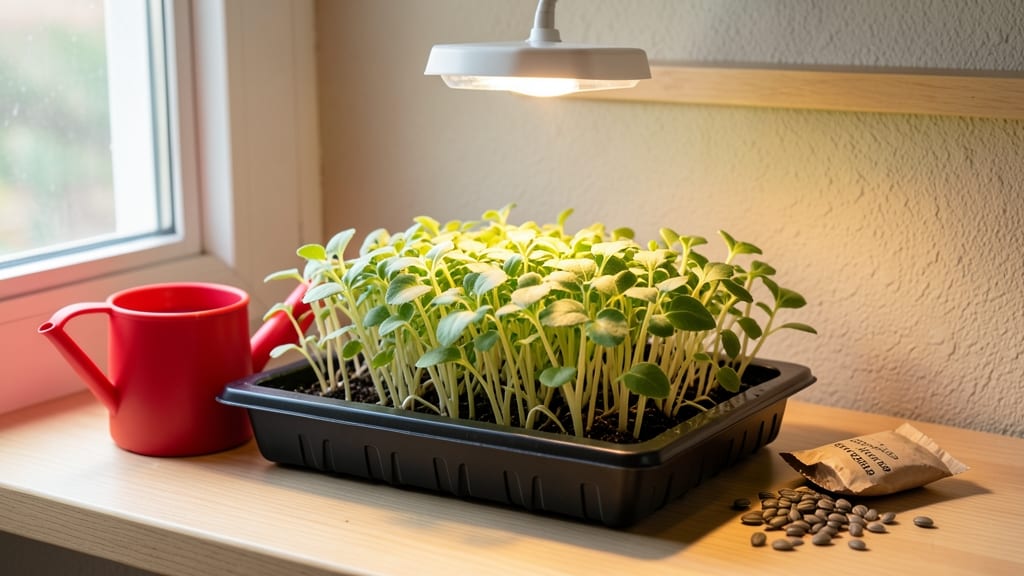
Cold-stratified blooms mean spring color in just 60 days—no waiting for summer. ✨ These little seed gardens pack a punch in tiny spaces, proving you don’t need a backyard to grow showstopping flowers.
My first attempt used a repurposed wooden crate on my balcony, and within weeks, delicate columbines and sweet peas were climbing over the edges.
The key is selecting seeds that thrive with cold stratification (like poppies or larkspur) and arranging them in layers—tall blooms at the back, cascading varieties in front. You’ll need a shallow container, well-draining soil, and a sunny spot, but the payoff is instant curb appeal with minimal effort.
Even a 6-inch pot can hold enough seeds for a dramatic display. By day 60, you’ll have a lush, fragrant garden that hums with pollinators. The best part?
These micro-plots double as conversation starters—neighbors will ask how you did it, and you’ll just smile, knowing it’s all about smart spacing and the right timing. Works for balconies, windowsills, or even a sunny corner of your yard. Here’s how to make it happen—no green thumb required!
📚 In This Guide
- What you need
- Instructions
- Tips and common mistakes
- Wrapping up and next steps
What you need
- ● Seeds: Choose cold-stratified varieties like Sweet Alyssum, Calendula, or Lupine (1–2 packets per garden bed).
- ● Growing containers: Small pots (4–6 inches deep) or seed trays (20–30 cells) for each seed type.
- ● Potting mix: Lightweight, well-draining mix (1–2 bags, 8–12 quarts each).
- ● Cold-stratification method: Option 1: Plastic bag + damp paper towels (for seeds).
- ● Option 2: Refrigerator (32–40°F) for 4–6 weeks.
- ● Watering can or spray bottle: Fine mist for gentle hydration.
- ○ Grow lights or sunny windowsill: 12–16 hours of light daily (optional but helpful).
- ● Hand trowel: For transplanting seedlings.
- ● Gloves: To protect hands from soil and sharp edges.
- ● Plant markers: Small sticks or labels (write seed names!).
- ○ Fertilizer (optional): Balanced liquid fertilizer (5-5-5 ratio) for post-transplant boost.
- ○ Mulch (optional): Straw or shredded leaves to retain moisture.
How to create cold-stratified seed gardens for fast blooms
Ready to grow vibrant flowers in just 60 days? Cold-stratification tricks seeds into thinking winter’s over.
🌱 Step 1: Select and Prepare Your Seeds
Choose seeds that require cold stratification—think bluebonnets, lupines, or columbines. These varieties need a 60-day cold period to break dormancy. I like to soak them in lukewarm water for 12 hours first to soften the seed coat. This mimics natural spring rains and speeds up the process.
After soaking, drain the seeds on a paper towel and let them air-dry for a few hours. This prevents mold while keeping them moist enough for stratification. Store them in a sealed container with a damp paper towel—just enough moisture to feel damp, not soggy. Label the container with the seed type and date to track your 60-day timeline.
❄️ Step 2: Stratify in the Fridge
Place the container in your fridge’s crisper drawer, where temperatures stay steady at 35-40°F. This mimics winter conditions and tricks the seeds into thinking they’ve survived a cold snap. Check the moisture level weekly—if the paper towel feels dry, spritz it lightly with water and reseal the container.
Real talk: Don’t skip this step. Without cold stratification, many wildflower seeds won’t germinate. I’ve tried planting them straight into the ground in spring, and they just sit there—nothing happens. But after 60 days in the fridge, they’re ready to burst into action.
🪴 Step 4: Plant in Containers or Directly Outdoors
Once your 60-day cold period is up, it’s time to plant. Fill small pots or a garden bed with well-draining soil—these seeds hate soggy roots. Scatter them lightly on the surface since many wildflowers need light to germinate. Press them in just enough to cover, about ¼ inch deep.
Water gently but don’t drown them. The soil should feel moist but not wet. Place the pots or garden bed in a spot with full sun to partial shade, depending on the variety. You’ll see tiny sprouts within 7-14 days—that’s your signal everything worked!
☀️ Step 5: Care for Sprouts Until Blooms
Keep the soil consistently moist but not waterlogged. A light misting every 2-3 days usually does the trick. Once seedlings reach 2 inches tall, thin them to 6 inches apart to give roots room to grow. This prevents overcrowding and ensures stronger plants.
Watch for leggy growth—a sign they need more light. Move them to a sunnier spot if needed. With proper care, you’ll see vibrant blooms in 4-6 weeks after planting. It’s like magic: from a tiny seed to a burst of color in just 60 days!
Tips & tricks for perfect cold-stratified seed gardens
Here's what nobody tells you about getting those seeds to bloom on time—and how to avoid the most common pitfalls.
Seed Selection Matters: Not all seeds need cold stratification! Double-check your seed packets—bluebonnets, lupines, and columbines absolutely require it, while others like marigolds or zinnias don't. I once wasted a whole season trying to stratify zinnias before realizing they germinate just fine without it. Always verify first!
Timing Secret: That 12-hour soak in lukewarm water is your secret weapon. This step mimics spring rains and softens the seed coat, helping break dormancy faster. Pro tip: Use a thermometer to confirm the water stays between 75-80°F—too hot and you risk damaging the seeds. I set my thermometer to vibrate when it hits the right temp for foolproof results.
Moisture Management: The damp paper towel should feel like a wrung-out sponge—not dripping, not bone-dry. Overly wet conditions create mold, while too dry slows germination. I like to use a spray bottle to add just a fine mist when checking moisture weekly. A clear container lets you monitor without opening it, which prevents temperature fluctuations.
Planting Depth: Those tiny seeds need light to germinate, so press them in just enough to cover with about ¼ inch of soil. I use a chopstick to create shallow holes if planting directly in soil—this ensures proper depth without burying them too deep. For container gardens, scatter seeds lightly on top and barely press them in with your fingers.
Pro Tips for Little Seed Gardens
- Here's what nobody tells you about getting those seeds to bloom on time—and how to avoid the most common pitfalls.
- Seed Selection Matters: Not all seeds need cold stratification!
- Timing Secret: That 12-hour soak in lukewarm water is your secret weapon.
Frequently asked questions
What does "cold-stratified" mean, and why is it important for my little seed garden?
Cold-stratification mimics nature’s winter process to break seed dormancy. For many flowers (like Lupinus or Delphinium), it ensures faster germination and stronger plants. Skip it, and you might wait months—or never see sprouts! Most seeds need 4–8 weeks in the fridge before planting.
Can I still plant these seeds if I miss the cold-stratification window?
Yes! Use a DIY trick: Mix seeds with damp sand in a sealed bag, then refrigerate for 4–6 weeks. Alternatively, sow directly in fall (if your climate permits) and let winter do the work. Patience pays off—stratified seeds bloom twice as fast!
Are these tiny gardens suitable for containers, or do I need a full yard?
Containers (even 6-inch pots) work perfectly for cold-stratified seeds. Just ensure drainage and use lightweight potting mix. Bonus: Move pots indoors during frost or to extend the season. Think urban balconies or windowsill blooms!
How do I protect my little seed garden from pests without chemicals?
Start with healthy soil (compost helps!) and companion plants like marigolds or basil to deter pests. Handpick slugs at night (use a flashlight!) or set up beer traps. For aphids, spray with soapy water. Prevention beats cure—keep plants happy and resilient!
Will these flowers survive a late frost after planting?
Most cold-stratified blooms are frost-tolerant, but young sprouts are vulnerable. Use row covers or cloches for extra protection. Plant after the last frost date in your zone, or opt for hardy varieties like Lupinus or Penstemon. When in doubt, check your local frost calendar!
Wrapping up and next steps
Starting a little seed garden with cold-stratified blooms is a rewarding way to bring vibrant color and life to your lawn—without the wait! 🌱 Whether you’re a beginner or a seasoned gardener, these fast-growing flowers prove that big results come from tiny seeds.
With just a little patience (and 60 days), you’ll enjoy a burst of beauty that’s as satisfying as it is stunning.
Ready to dive in? Grab your supplies, pick your favorites, and get planting! Your future garden—and pollinators—will thank you. 🌸