
Size
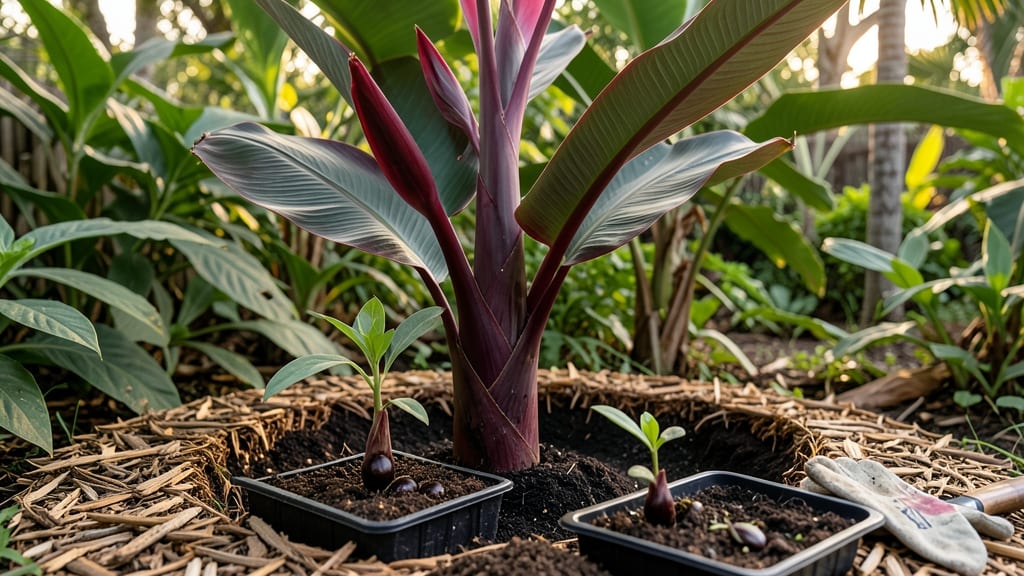
Growing a garden with blood banana seeds unlocks vibrant tropical blooms—60 days from cold-stratification to your first true leaves. 🌱 I’ve wrestled with these finicky seeds for years, and the trick isn’t forcing growth but mimicking their natural winter dormancy.
Most gardeners quit after two weeks of waiting, but that’s exactly when the magic starts.
The secret lies in patience and the right conditions: damp paper towels for initial sprouting, followed by a 60-day cold period in the fridge. Skip this step, and you’ll end up with weak, leggy seedlings that never thrive.
Once they break dormancy, they’ll grow fast—3-4 inches per month—but only if you keep them warm and humid after germination.
By month three, you’ll see broad, glossy leaves that look nothing like the tiny seed you started with. The plants stay compact for years before flowering, but the payoff—those striking red-and-purple blooms—makes every slow step worth it.
Just don’t expect fruit anytime soon; these tropical divas take 5-7 years to bear their namesake bananas.
Whether you’re growing them in containers on a porch or planting them out after last frost, blood bananas reward gardeners who embrace their slow-and-steady nature. Here’s how to avoid the pitfalls and set yours up for success.
📚 In This Guide
- What you need
- Instructions
- Tips and common mistakes
- Wrapping up and next steps
What you need
- ● Blood banana seeds – 5–10 fresh, firm seeds (harvested from ripe fruit or purchased from a reputable supplier). Pro tip: 💡 Soak seeds in warm water for 24 hours to speed up germination!
- ● Cold-stratification setup: 1 small plastic bag or damp paper towel
- ○ 1 ziplock bag (optional, for extra moisture)
- ● Growing containers: 2–3 small pots (4–6 inches in diameter) with drainage holes or
- ● 1 seedling tray with individual cells (for batch growing)
- ● Well-draining potting mix: 1–2 bags (look for a blend labeled for herbs/vegetables or make your own with 50% peat moss, 30% perlite, and 20% compost).
- ● Grow lights or a sunny windowsill (south-facing, with 6+ hours of light daily).
- ● Hand trowel or small shovel (for transplanting seedlings).
- ● Spray bottle (to mist seeds during stratification).
- ● Fertilizer: A balanced liquid fertilizer (5-5-5 or 10-10-10) or compost tea (diluted to half-strength).
- ● Humidity dome or plastic wrap (to retain moisture while germinating).
- ○ Thermometer (optional, to monitor soil temps—ideal range: 65–75°F).
- ● Garden twine or stakes (for supporting taller plants as they mature).
Step-by-step instructions for growing blood banana from seed
Cold-stratifying these seeds unlocks vibrant blooms in just 60 days—here’s how to do it right.
🌱 Step 1: Prepare and Stratify the Seeds
Blood banana seeds need cold stratification to break dormancy. Place them in a damp paper towel, fold it closed, and seal in a plastic bag. Store the bag in your refrigerator’s crisper drawer for 6-8 weeks—this mimics winter’s chill and signals the seed it’s time to grow.
Check the towel every 7-10 days to ensure it stays moist but not soggy. If you see mold, toss the seeds and start fresh. Once the towel feels damp to the touch, your seeds are ready for planting. This cold treatment is non-negotiable—skipping it means waiting months for germination.
🪴 Step 2: Plant Stratified Seeds in Well-Draining Mix
Fill a 4-inch pot with a mix of 50% potting soil and 50% perlite to ensure drainage. Blood bananas hate soggy roots, so avoid heavy garden soil. Plant each seed ½ inch deep—deeper than this, and they’ll struggle to push through.
Gently press the soil around the seed to secure it, then mist the surface with water until it’s damp but not wet. Place the pot in a warm spot (70-75°F) with indirect light. You’ll see tiny sprouts in 2-4 weeks, but be patient—some seeds take longer. Keep the soil consistently moist by checking the top inch daily.
☀️ Step 3: Provide Bright, Indirect Light for Seedlings
Once the first true leaves appear (not the initial seed leaves), move the seedlings to a spot with bright, indirect light. A south-facing window works, but direct sun can scorch tender leaves. If growth slows or leaves turn pale, your light isn’t strong enough—supplement with a grow light for 12-14 hours daily.
Rotate the pot a quarter turn weekly so the plant grows straight, not leaning toward the light. You’ll notice stronger stems and darker green leaves within two weeks. Avoid fertilizing yet—young seedlings need time to establish roots before extra nutrients.
⏰ Step 4: Transplant and Harden Off for Outdoor Growth
After 8-10 weeks and when seedlings have 4-6 true leaves, transplant them into the garden or larger containers. Choose a spot with partial shade—blood bananas thrive in filtered light but avoid harsh afternoon sun. Dig a hole twice as wide as the root ball but only as deep as the pot.
Water deeply after transplanting to settle the soil, then mulch with 2 inches of organic mulch to retain moisture. Harden off the plants by placing them outside in a sheltered spot for 1-2 hours daily, gradually increasing time over 10 days. This prepares them for full outdoor conditions without shock.
🌿 Step 5: Maintain Moisture and Fertility for Blooms
Blood bananas love consistent moisture—water when the top 1-2 inches of soil feel dry. Overwatering causes root rot, while underwatering stresses the plant and delays blooms. Feed with a balanced fertilizer (10-10-10) every 4-6 weeks during the growing season to encourage vibrant flowers.
Watch for buds forming in 4-6 weeks after transplanting. The flowers are stunning but heavy—stake the plant if stems bend. Deadhead spent blooms to redirect energy into new growth. With proper care, you’ll enjoy 60 days of cold-stratified blooms that stand out in any garden.
Tips & tricks for perfect blood banana blooms
These little-known tricks will help you skip the common pitfalls and get those stunning blooms faster.
The Stratification Secret: Don't just toss those seeds in the fridge! Place them between two damp paper towels first—this creates the perfect moisture balance during the critical 6-8 weeks in cold storage. I fold the towel like a burrito, then seal it in a plastic bag with a tiny hole for airflow. This prevents mold while keeping humidity just right. The moment you see a tiny crack in the seed coat, it's ready to plant—no guessing!
Soil Mix Matters: That 50-50 mix of potting soil and perlite isn't just about drainage—it's about aeration. Blood banana roots need oxygen as much as water. After planting your seeds ½ inch deep, press the mix lightly around them with your finger (don't compact it). This creates tiny air pockets that prevent that dreaded "soggy bottom" syndrome. Pro move: Tap the pot gently on the counter after planting to settle the soil without disturbing the seeds.
Lighting Hacks: For the 12-14 hours of grow light daily, I use a simple LED bulb on a timer—no fancy setup needed. Position it 6 inches above the seedlings to avoid heat stress. Watch for those first true leaves (they'll look different from the initial seed leaves) before moving them to brighter light. If your seedlings stretch toward the light like they're doing yoga, they're begging for more intensity. Rotate the pot weekly so they grow straight—trust me, crooked stems mean wasted energy that could go to blooms.
Transplant Timing: Those 8-10 weeks until transplant feel like forever, but patience pays off. Check for 4-6 true leaves—count them! The fourth leaf is your magic number for readiness. When transplanting, dig the hole twice as wide as the pot but keep it shallow. Blood bananas hate having their roots buried too deep. Water deeply right after transplanting, then let the soil dry slightly before watering again—this helps roots establish without drowning.
Pro Tips for Blood Banana Seed Grow A Garden
- These little-known tricks will help you skip the common pitfalls and get those stunning blooms faster.
- The Stratification Secret: Don't just toss those seeds in the fridge!
- Soil Mix Matters: That 50-50 mix of potting soil and perlite isn't just about drainage—it's about aeration.
Frequently asked questions
Got questions about growing blood banana seeds? You’re not alone! Here are answers to the most common queries—from timing to troubleshooting—so you can confidently start your garden adventure.
How long does it take for blood banana seeds to germinate?
With cold stratification (4–6 weeks in the fridge), germination typically takes 2–4 weeks after planting. Keep soil moist (not soggy) and warm (70–85°F) for best results. Patience is key—some seeds may take up to 8 weeks to sprout!
Do I really need to cold-stratify blood banana seeds?
Yes! Cold stratification mimics winter conditions and breaks seed dormancy. Skip it, and germination rates drop dramatically. Place seeds in a damp paper towel in a sealed bag, then refrigerate for 4–6 weeks before planting.
Can I grow blood banana indoors?
Start seeds indoors 8–10 weeks before the last frost in pots with well-draining soil. Use a grow light (12–16 hours/day) until seedlings are 3–4 inches tall. Transplant outdoors only after nighttime temps stay above 50°F.
What if my blood banana seeds won’t sprout?
Try these fixes:
- Check moisture: Seeds need consistent dampness (not waterlogged).
- Verify stratification: Ensure seeds spent 4+ weeks cold.
- Test viability: Cut open a seed—if it’s hard and firm, it’s still alive.
- Use a heat mat: Bottom warmth (75–85°F) can speed germination.
Are blood bananas easy to grow compared to regular bananas?
Yes! Blood bananas are hardier and faster-growing than tropical bananas. They thrive in USDA Zones 8–11 (or in containers moved indoors in colder climates). Just give them full sun, rich soil, and regular water—no fancy greenhouse needed!
Wrapping up and next steps
Growing blood banana seeds into vibrant blooms in just 60 days is a rewarding journey—one that blends patience with the magic of cold stratification! 🌱 With the right tools, a little care, and a dash of creativity, you’ve unlocked the secret to cultivating these stunning, rare flowers.
Whether you’re a seasoned gardener or a curious beginner, this process proves that great things grow from small seeds.
Now that you’re armed with knowledge, it’s time to take the next step! Start by prepping your soil, sowing those seeds, and watching your garden transform. Share your progress with fellow plant enthusiasts or even gift a cutting to a friend—because gardening is best when shared. Happy growing! 🌸