
Propagation
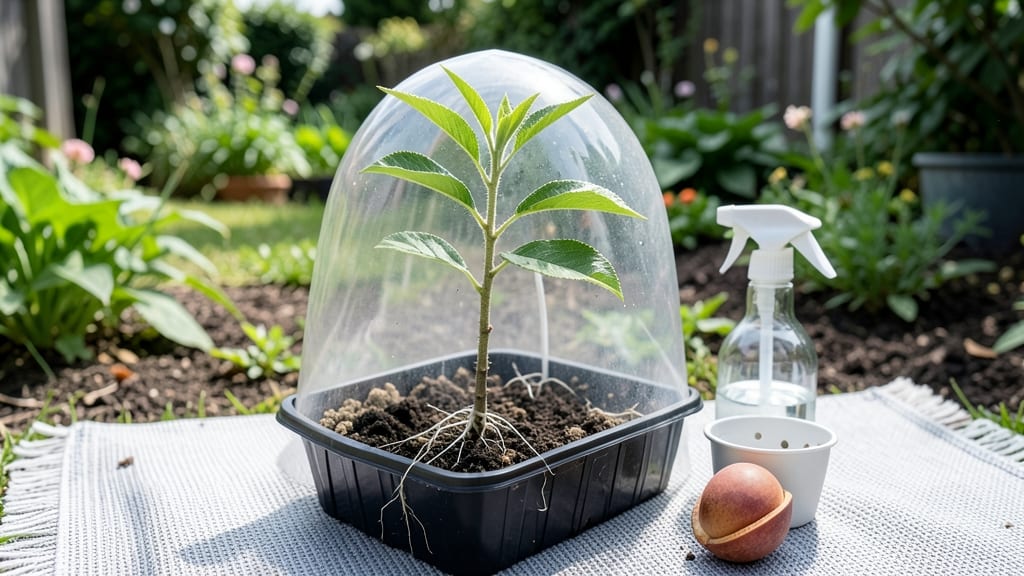
Growing a peach tree from seed indoors starts with patience and a pit from your favorite summer fruit. 🌱 The process is slower than grafting, but there's nothing quite like watching a seedling grow into a tree you nurtured from scratch—even if the fruit won't match the parent.
My first attempt took 12 weeks just to crack the shell, but that stubborn little sprout became my gardening obsession.
You'll need a warm spot, a damp paper towel, and a plastic bag to create the perfect germination environment. The key is stratification—mimicking winter's cold period—before planting in well-draining soil.
Most seeds need 6-8 weeks in the fridge, but peach pits are trickier; some sprout in just 2 weeks while others take months. The secret? Don't give up if nothing happens by week 4.
By the time you transplant the seedling, you'll have a 3-4 inch strong stem ready for its first outdoor adventure. The real magic happens when you move it outside after last frost—suddenly, that indoor experiment becomes a real tree with potential for shade and future blossoms.
Just remember, peach trees from seed take 5-7 years to fruit, but the journey makes every stage worthwhile.
This method works year-round in warm climates or with grow lights, but even in cold zones, you can start seeds indoors in early spring. The biggest challenge? Waiting. But that first real leaf? Pure reward. Here's how to get started without the guesswork.
📚 In This Guide
- What you need
- Instructions
- Tips and common mistakes
- Wrapping up and next steps
What you need
- ● Peach pit: A fresh, organic peach pit (avoid store-bought pits treated with fungicides). Quantity: 1-2 pits.
- ● Paper towels or damp cloth: For stratification (soaking the pit to soften its shell). Quantity: 2-3 sheets.
- ● Plastic bag or airtight container: To keep the pit moist during stratification.
- ● Small pots (3-4 inches in diameter): With drainage holes for planting. Quantity: 1-2 pots.
- ● Potting mix: Well-draining, seed-starting mix (avoid garden soil). Quantity: ~1 lb.
- ● Spray bottle: For gentle watering without disturbing the soil.
- ● Grow lights or sunny windowsill: A south-facing window (6+ hours of light/day) or a LED grow light (12-16 hours/day).
- ○ Heat mat (optional but helpful): Keeps soil warm (70-80°F) for faster germination.
- ● Fertilizer (balanced, water-soluble): Diluted to half-strength once sprouts appear (e.g., 10-10-10 NPK).
- ● Humidity dome or plastic wrap: Creates a mini greenhouse effect to retain moisture.
- ● Thermometer: Monitors soil temperature during germination.
- ● Pruning shears: For trimming leggy seedlings later.
- ● Label & marker: Track planting dates and varieties.
Step-by-step instructions for growing a peach tree from seed indoors
Here’s how to turn a peach pit into a thriving seedling—no green thumb required.
🌱 Step 1: Select and Prepare the Seed
Choose a fresh, plump peach pit from a ripe fruit—avoid bruised or soft ones. Rinse it thoroughly under cool water to remove any fruit residue, then let it air-dry completely for 24 hours. This prevents mold and ensures the seed stays healthy.
Place the pit between two paper towels and fold them over it. Soak the towels with lukewarm water (not hot) until damp but not dripping. Store the wrapped pit in a sealed plastic bag and refrigerate for 4-6 weeks. This mimics winter dormancy, breaking the seed’s natural dormancy period so it’ll germinate faster. Check it weekly—if the towels dry out, mist them lightly.
💧 Step 2: Plant the Stratified Seed
After stratification, remove the pit from the fridge and let it sit at room temperature for 24 hours to acclimate. Fill a small pot (3-4 inches deep) with sterile seed-starting mix (not garden soil) and moisten it until damp. Press the pit 1 inch deep into the soil, with the pointed end facing downward. This ensures proper root development.
Cover the pot with a clear plastic bag or humidity dome to trap warmth and moisture. Place it in a warm spot (70-75°F)—a sunny windowsill or under a grow light works well. Keep the soil consistently moist but never soggy. You’ll see first sprouts in 2-4 weeks, though some seeds take longer. Patience is key here!
☀️ Step 3: Provide Light and Care for Early Growth
Once the seedling emerges, remove the plastic cover immediately to prevent fungal growth. Move it to a bright, indirect light spot (south-facing window) or under a grow light for 14-16 hours daily. Peach seedlings need strong light to avoid becoming leggy—thin, stretched stems that can’t support themselves.
Water gently when the top inch of soil feels dry, using room-temperature water. Avoid wetting the leaves to prevent disease. After 4-6 weeks, when the seedling reaches 4-6 inches tall, transplant it into a slightly larger pot (5-6 inches deep) with fresh potting mix. Handle the roots carefully to avoid damage.
✂️ Step 4: Prune and Strengthen the Seedling
When the seedling grows its first true leaves (not the initial seed leaves), pinch off the top set of leaves to encourage bushier growth. This redirects energy to side branches, creating a stronger structure. Use clean scissors or fingers to make the cut just above a leaf node.
After 8-12 weeks, if the seedling outgrows its pot, move it to a 1-gallon container with well-draining soil. Place it outdoors in a sheltered spot for 2-3 hours daily to harden it off. Gradually increase exposure over 1-2 weeks before planting it in the ground (if your climate allows). Peach trees are sensitive to frost, so wait until after the last frost date in spring.
🌿 Step 5: Transition to Outdoor Growing
Once the seedling is 12-18 inches tall and has 5-7 leaves, it’s ready for the ground. Choose a sunny spot with well-draining soil and dig a hole twice as wide as the root ball but no deeper. Gently remove the seedling from its pot, loosen the roots if they’re circling, and place it in the hole at the same depth it was growing in the pot.
Water deeply after planting to settle the soil. Mulch around the base with 2-3 inches of organic mulch to retain moisture and protect roots. Peach trees need full sun (6+ hours daily) and regular watering (1-2 inches weekly). They’ll take 3-5 years to bear fruit, but the wait is worth it for homegrown peaches!
Tips & tricks for growing a peach tree from seed indoors
Here's what nobody tells you about nurturing a peach pit into a thriving tree—these tricks saved my first three attempts!
Stratification Secret: The 4-6 weeks in the fridge isn't just waiting—it's breaking the seed's natural dormancy. Think of it like waking a hibernating bear: too short and it won't budge, too long and you risk mold. I mark my fridge bag with the start date so I don't forget to check weekly. If your kitchen stays above 75°F, extend stratification to 8 weeks for reliable germination.
Lighting Game-Changer: That 14-16 hours of light isn't optional—it's preventing leggy seedlings. If your windowsill gets less than 6 hours of sunlight, invest in a simple LED grow light ($20 at garden centers). Position it 6 inches above the seedling and adjust height as it grows. I've seen seedlings stretch to 12 inches tall in 3 weeks when light-starved!
Transplanting Wisdom: When moving your 4-6 inch seedling to a 5-6 inch pot, don't just dump it in—gently loosen the root ball first. I use a butter knife to tease apart any circling roots. This prevents "pot-bound" shock where roots strangle each other. Water thoroughly after transplanting to help settle the soil around those delicate roots.
Hardening Off Strategy: The 2-3 hour outdoor acclimation might seem short, but it's critical. Start with just 30 minutes on a cloudy day, then add 30 minutes each subsequent day. I place my seedling in a sheltered spot under a patio cover—direct sun can scorch tender leaves. Watch for wilting as your signal to bring it back inside immediately.
Pro Tips for Grow A Peach Tree From A Seed Indoors
- Here's what nobody tells you about nurturing a peach pit into a thriving tree—these tricks saved my first three attempts!
- Stratification Secret: The 4-6 weeks in the fridge isn't just waiting—it's breaking the seed's natural dormancy.
- Lighting Game-Changer: That 14-16 hours of light isn't optional—it's preventing leggy seedlings.
Frequently asked questions
How long does it take for a peach seed to sprout indoors?
A peach seed typically sprouts in 2–4 weeks indoors, depending on warmth and moisture. Keep the soil consistently damp (not soggy) and maintain temperatures around 70–80°F (21–27°C) for faster germination. Patience is key—some seeds may take up to 6–8 weeks!
Will my indoor-grown peach tree produce fruit?
Most likely, no. Trees grown from seeds are often not true to the parent plant and may take 5–10+ years to fruit (if ever). For reliable peaches, graft a known variety onto your seedling later. Think of this as a fun experiment, not a fruit factory!
Can I speed up germination with any tricks?
Yes! Try these pro tips:
- Soak the seed in warm water for 24 hours before planting to soften the shell.
- Use a heat mat (75–85°F) to mimic spring warmth.
- Place the pot in a bright, indirect light spot (no direct sun yet).
What’s the best temperature for indoor peach seed growth?
Peach seeds thrive in 65–85°F (18–29°C) during germination. Once sprouted, keep seedlings in 60–75°F (15–24°C) with 12+ hours of light daily. Avoid drafts or cold windowsills—peach trees are tropical at heart!
My seedling looks weak—what’s wrong?
Common issues and fixes:
Problem
Solution
Yellow leaves
Overwatering! Let soil dry slightly between waterings.
Leggy, stretching growth
Move to a sunnier spot (but no harsh direct sun yet).
Mold or mushy soil
Repot in fresh, well-draining soil and reduce water.
Wrapping up and next steps
Growing a peach tree from a seed indoors is a rewarding journey that blends patience with the magic of nature! 🌱 While it may take years for your seedling to bear fruit, the process itself is a fulfilling adventure—perfect for green thumbs and curious beginners alike.
Once your seed sprouts and thrives, consider transplanting it outdoors in spring or sharing your newfound knowledge with fellow plant lovers.
Next steps:
- Monitor your seedling’s growth closely—adjust care as it matures!
- Research local climate conditions to plan your outdoor move.
- Celebrate every milestone—you’re nurturing life! 🌟