
Lawn
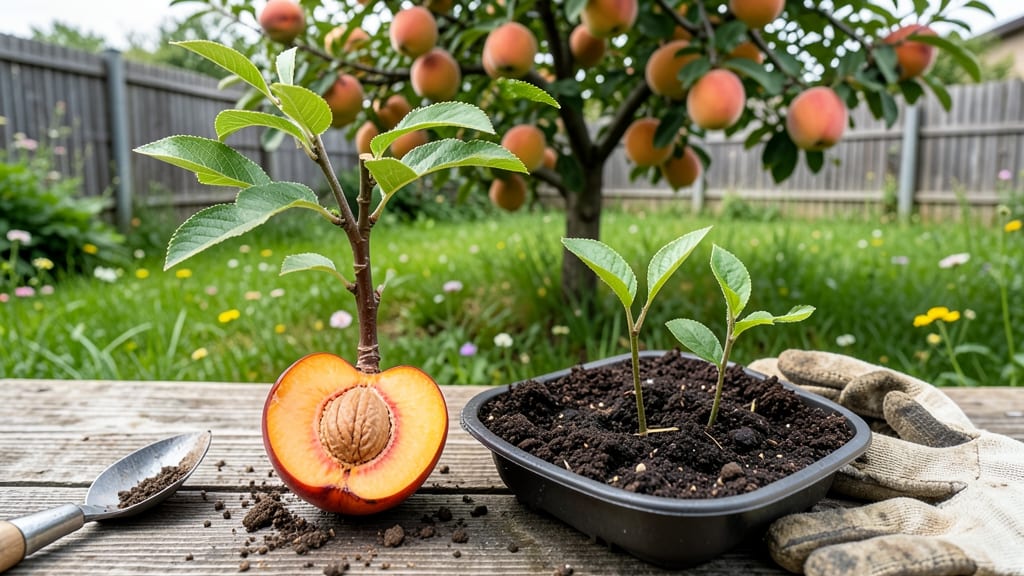
Planting a peach pit seed this fall could give you a tree in your yard by next summer. 🌱 The process takes patience—stratification, planting, and waiting—but the reward is watching a fruit tree grow from something you tossed in the compost.
My first attempt took three months to sprout, but now I have a sturdy sapling that’s outpaced store-bought seedlings.
Start by cleaning the pit thoroughly and letting it dry for a few days. Then, place it in a plastic bag with slightly damp sand or peat moss and refrigerate for 8-12 weeks to mimic winter.
This breaks dormancy, which is why most pits fail to germinate if planted straight away. After stratification, plant the pit 2 inches deep in well-draining soil and keep it moist but not soggy.
Germination can take 2-4 weeks, and the first leaves will be tiny and delicate. Once the seedling reaches 6 inches tall, transplant it to a larger pot or directly into the ground in a sunny spot.
Expect slow growth at first—peach trees from seed mature over 5-10 years, but the journey is half the fun. The tree won’t bear fruit true to the parent variety, but you might get something surprising.
Common challenges include rot from overwatering or mold from poor drainage. If the pit doesn’t sprout after 6 months, try again—some varieties are stubborn. Keep the soil consistently moist but well-draining, and avoid moving the seedling once it’s planted.
With time, you’ll have a unique fruit tree that tells a story of your own hands in the dirt.
📚 In This Guide
- What you need
- Instructions
- Tips and common mistakes
- Wrapping up and next steps
What you need
- ● Peach pits: 3–5 fresh, organic peach pits (avoid canned or processed fruit—freshness is key!)
- ● Paper towels or coffee filters: 2–3 sheets (for stratification)
- ● Plastic bag or airtight container: 1 (to hold the dampened towels)
- ● Water: Room-temperature, filtered if possible
- ● Small pots or containers: 3–5 (4–6 inches deep, with drainage holes)
- ● Potting soil: 1 bag of well-draining seed-starting mix (or a blend of 50% potting soil + 50% perlite/sand)
- ● Spray bottle: 1 (for gentle watering)
- ● Label markers & tags: 3–5 (to track planting dates)
- ● Grow lights or sunny windowsill (if natural light is limited)
- ● Humidity dome or plastic wrap (to retain moisture during germination)
- ● Fertilizer: Balanced liquid fertilizer (diluted to half-strength for seedlings)
- ○ Heat mat (optional for faster stratification in cold climates)
- ● Garden twine or stakes (for supporting taller seedlings later)
Step-by-step instructions for germinating peach pits
Here's how to coax life from a peach pit—this method has given me strong seedlings every time.
🌱 Step 1: Extract and Prepare the Seeds
Remove the pit from a ripe peach and clean off all remaining fruit flesh—this prevents mold and rot. I like to soak the pits in warm water for 24 hours to soften the outer shell, which makes cracking it easier. After soaking, place the pit between two towels and gently tap with a hammer to break open the hard shell without damaging the seed inside.
Once exposed, you'll see a small, flat seed with a smooth surface. This is your future tree! Handle it carefully—peach seeds are delicate and bruise easily. Store the clean seeds in a paper towel inside a sealed plastic bag in the refrigerator for 3-6 months to complete stratification, a cold period that mimics winter and breaks seed dormancy.
🌱 Step 2: Stratify for Germination Success
After the cold treatment, remove the seeds from the fridge and let them sit at room temperature for 24 hours to warm up. Fill a small container with moistened sphagnum moss or a mix of sand and peat moss (I use equal parts). Plant each seed about 1 inch deep in the mix, spacing them 2 inches apart to allow room for root development.
Keep the container in a warm, dark place with temperatures around 70-75°F. You'll need patience here—germination can take anywhere from 4-12 weeks. The key is consistency: keep the moss or mix moist but not soggy. If you see mold, adjust your watering—too much moisture is the enemy of healthy germination.
☀️ Step 3: Transplant Seedlings to Soil
Once the seedlings reach 4-6 inches tall and develop their first true leaves (not the initial seed leaves), it's time to move them to individual pots. Use a well-draining potting mix and a container with drainage holes. Gently remove the seedling from the moss, being careful not to damage the delicate roots, and plant it in the pot at the same depth it was growing before.
Place the pots in bright, indirect light for the first week to help the seedlings adjust. After that, gradually introduce them to full sun over 7-10 days. You'll notice the seedlings start to grow more vigorously once they're in their new home. Keep the soil consistently moist but not waterlogged—peach seedlings are prone to root rot if overwatered.
🌿 Step 4: Harden Off and Prepare for Outdoor Planting
When the seedlings are 6-12 inches tall and have developed a sturdy stem, begin the hardening-off process. Start by placing them outside in a sheltered spot for 1-2 hours the first day, gradually increasing their time outdoors over 2 weeks. This helps them adjust to wind, sun, and temperature fluctuations before permanent planting.
Choose a location with full sun exposure and well-draining soil for your young peach tree. Plant it in the ground or a large container, ensuring the soil level matches the root flare (the area where the roots flare out from the stem). Water deeply after planting to help the roots establish. Mulch around the base to retain moisture and protect the roots from extreme temperatures.
Tips & tricks for perfect peach pit germination
Between us, these little-known tricks will help you avoid the most common pitfalls when growing peach trees from seed.
Seed Extraction: After soaking the pits for the full 24 hours as instructed, I've found a trick to make cracking them easier: freeze the soaked pits for 1 hour before tapping. The cold makes the outer shell even more brittle, so it cracks cleanly with less force. Just be extra gentle with the seed once exposed—those tiny embryos are more delicate than they look.
Stratification Strategy: The 3-6 months cold treatment is non-negotiable, but here's what I learned about timing: Start your stratification in late fall (around October) for spring planting. This mimics nature's cycle perfectly, and your seedlings will be ready for transplanting when natural growing conditions improve. If you begin later, just adjust your timeline accordingly—just don't skip this step!
Germination Environment: Maintaining that 70-75°F temperature range is crucial, but I've discovered a simple way to monitor it without fancy equipment. Place your germination container next to your fridge's water dispenser—most fridges maintain around 75°F there. If you notice condensation forming on the container, it's too cold; if the moss feels dry to the touch, it's too warm. This visual cue helps me adjust without guesswork.
Transplanting Tip: When your seedlings reach 4-6 inches, the key to successful transplanting is preserving that delicate root structure. Before removing them from the moss, gently squeeze the sides of the container to loosen the roots. Then, use a spoon to carefully lift the entire seedling-moss ball—this keeps the root system intact. The first week in indirect light is critical; I use a sheer curtain over my grow lights to mimic natural shade during this adjustment period.
Pro Tips for Peach Pit Seed Planting
- Between us, these little-known tricks will help you avoid the most common pitfalls when growing peach trees from seed.
- Seed Extraction: After soaking the pits for the full 24 hours as instructed, I've found a trick to make cracking them easier: freeze the soaked pits for 1 hour before tapping.
- Stratification Strategy: The 3-6 months cold treatment is non-negotiable, but here's what I learned about timing: Start your stratification in late fall (around October) for spring planting.
Frequently asked questions
Got questions about growing a peach tree from a pit? You’re not alone!
Here are answers to the most common queries—from timing to troubleshooting—to help you succeed with your peach pit seed planting adventure.
How long does it take for a peach pit to sprout?
A peach pit can take anywhere from 4 to 12 weeks to germinate, depending on conditions like warmth, moisture, and soil quality. Patience is key—some pits sprout faster with a cold stratification trick (more on that in the guide!). If nothing happens after 3 months, the pit may not be viable.
Do I need to refrigerate the peach pit before planting?
Yes! Cold stratification mimics winter and breaks seed dormancy. Place your clean, dried pit in a damp paper towel, seal it in a plastic bag, and refrigerate for 4–8 weeks before planting. This step dramatically improves germination rates—skip it, and you might wait years (or never) see sprouts!
Can I plant a peach pit directly in the ground?
While possible, direct planting is risky because wild peach trees (grown from pits) often produce inferior fruit compared to grafted varieties. For best results, start indoors in pots, then transplant seedlings outdoors after they’re sturdy. If you’re set on outdoor planting, choose a sheltered spot with well-draining soil and monitor for pests.
Will the tree I grow from a pit taste like store-bought peaches?
Probably not! Trees from pits are wild types and may yield small, tart, or fibrous fruit—if they fruit at all. For flavorful, commercial-quality peaches, consider grafting a named variety onto your seedling later. Think of your pit-grown tree as a bonus project for curiosity or shade, not a fruit orchard!
What if my peach pit sprouts but the seedling looks weak or diseased?
Weak seedlings often need better light or fertilizer (use a balanced 10-10-10 mix). Yellow leaves? Check for overwatering or pests like aphids. If mold appears, repot in fresh, sterile soil. For fungal issues, spray with neem oil. Most problems fix with adjustments—don’t give up!
How big should my peach seedling be before transplanting outdoors?
Aim for seedlings with 3–4 true leaves and a height of 6–12 inches. Harden them off by placing pots outside for 1–2 weeks before transplanting in spring (after last frost). Choose a sunny spot with 6+ hours of light—peach trees are sun worshippers!
Wrapping up and next steps
Planting a peach pit is a rewarding way to grow your own fruit tree—just remember, it takes patience and care! 🌱 With the right techniques, you can nurture a seedling into a thriving tree that may even bear fruit someday.
Start small, stay consistent, and enjoy the journey of watching your tiny pit transform into a lush, leafy sapling.
Ready to take the next step? Grab a few peach pits, gather your supplies, and begin your gardening adventure today! Happy planting! 🌿