Lawn
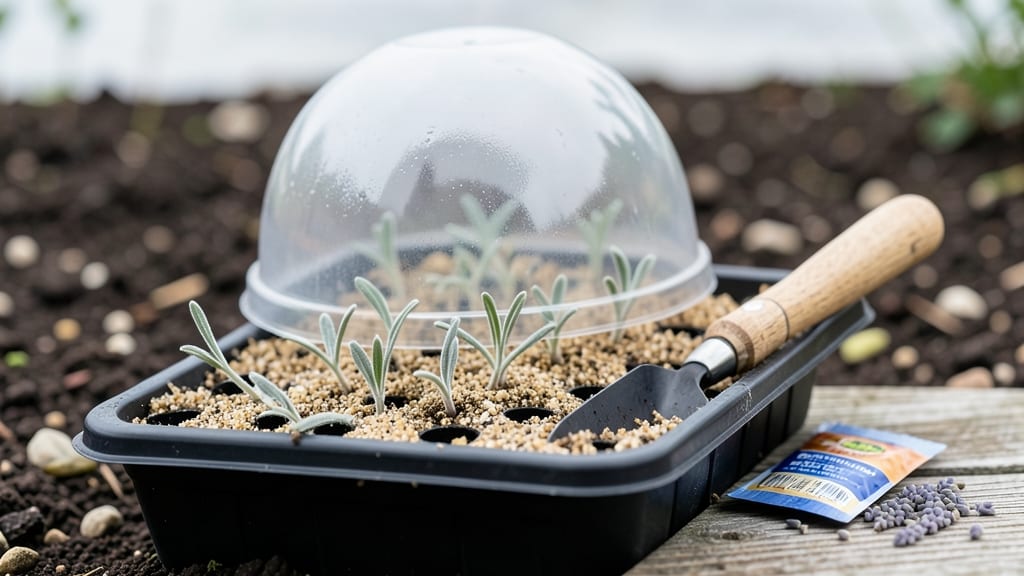
Growing lavender from seed starts with cold-stratified sprouts—the secret to breaking dormancy and getting those tiny seeds to push through soil. 🌱 I’ve struggled with lavender seeds germinating erratically until I learned this trick: mimic winter’s chill by refrigerating seeds for 4-6 weeks before planting. The payoff?
Stronger, more resilient seedlings that actually bloom on schedule. Most gardeners give up here, but the key is patience and consistency. You’ll need a moist, well-draining mix (think 50% perlite or sand) and a bright, cool spot (60-65°F) to keep sprouts from bolting too fast.
Overwatering is the silent killer—these seeds hate soggy soil, so mist lightly and let the top inch dry between waterings. By week 8, you’ll see tiny, fuzzy green shoots—proof the stratification worked. These seedlings are tougher than store-bought cuttings and adapt better to your climate. The trade-off?
It takes 12-18 months to flower, but the fragrance and drought resistance make it worth the wait. For advanced growers, try direct sowing in fall to skip stratification entirely—nature handles the cold work for you. Either way, avoid transplant shock by hardening off seedlings gradually before moving them outdoors.
📚 In This Guide
- What you need
- Instructions
- Tips and common mistakes
- Wrapping up and next steps
What you need
- ● Lavender seeds – Choose Lavandula varieties like Lavandula angustifolia (English lavender) or Lavandula x intermedia (hybrid lavender). Aim for 10–20 seeds per planting (enough for small pots or trays).
- ● Cold-stratification supplies: Plastic bag or airtight container
- ● Moistened paper towels or damp sand
- ● Refrigerator (set to 35–40°F)
- ● Seed-starting trays or small pots – Use 2–3 inch pots or a seed tray with drainage holes (6–12 cells).
- ● Well-draining potting mix – A blend of 50% peat moss or coco coir + 50% perlite or coarse sand (lavender hates soggy roots!).
- ● Spray bottle – For gentle watering (avoid over-saturating seeds).
- ● Grow lights or sunny windowsill – Lavender seeds need bright light (12–16 hours/day) to sprout.
- ○ Heat mat (optional but helpful) – Keeps soil warm (70–75°F) during germination.
- ● Humidity dome or plastic wrap – Retains moisture during early stages (remove once sprouts appear).
- ● pH testing kit – Lavender thrives in neutral to slightly alkaline soil (pH 6.5–7.5).
- ● Fertilizer (low-nitrogen) – A balanced 10-10-10 or fish emulsion (diluted) after sprouts develop true leaves.
- ● Hardening-off tray – Gradually acclimates seedlings to outdoor conditions before transplanting.
Step-by-Step instructions for cold-stratifying lavender seeds
Cold-stratification tricks lavender seeds into breaking dormancy—here's how to do it right for reliable sprouts.
🌱 Step 1: Prepare Seeds with Moisture and Chilling
Place lavender seeds in a small plastic bag with a damp paper towel—just enough moisture to feel damp, not soaking. Seal the bag and refrigerate for 8-12 weeks at 34-40°F. This mimics winter conditions and signals seeds to germinate. Check weekly: if the towel dries out, spritz lightly with water.
I like to label the bag with the date and variety. Real talk: some seeds need longer—don't rush it. You'll know it's working when the seeds look slightly plump after a few weeks. This step is critical—skipping it means waiting months for germination, if ever.
⏰ Step 2: Sow Stratified Seeds in Containers
Fill 4-inch pots with sterile seed-starting mix (never garden soil—it's too dense). Plant seeds ¼ inch deep, spacing them ½ inch apart. Lavender seeds are tiny, so I use a toothpick to place them precisely. Gently press the soil around each seed to ensure good contact.
Cover the pots with clear plastic wrap to retain moisture and warmth. Place them in a warm spot (65-70°F) until germination begins. You'll see the first sprouts in 2-4 weeks—watch for tiny green shoots pushing through the soil. Don't water yet; the plastic wrap keeps humidity high enough.
☀️ Step 3: Provide Light and Gradual Transplant Prep
Once sprouts appear, remove the plastic and move pots to bright, indirect light for 1 week. After that, introduce 4-6 hours of morning sun daily, gradually increasing exposure. Lavender seedlings are sensitive to harsh light at first—you'll see them lean toward the light if they're not getting enough.
When seedlings reach 2 inches tall (about 6-8 weeks after sowing), transplant them into individual 6-inch pots with fresh potting mix. This prevents overcrowding, which weakens stems. Water lightly after transplanting—just enough to settle the soil around the roots.
🌿 Step 4: Harden Off and Acclimate Seedlings
Two weeks before your last frost date, start hardening off seedlings by placing them outside in partial shade for 1 hour daily. Gradually increase outdoor time over 10-14 days, eventually leaving them out all day. You'll know they're ready when they show no signs of wilting or leaf burn.
Transplant outdoors after all danger of frost has passed, spacing seedlings 18-24 inches apart in full sun. Lavender thrives in poor soil, so no need for fertilizer—just well-draining conditions. Mulch lightly with gravel to keep roots cool and prevent rot.
Tips & tricks for perfect lavender seed germination
Cold-stratifying lavender seeds takes patience, but these little tricks will help you maximize your success rate and avoid common pitfalls.
Chilling Consistency: Maintain that 34-40°F refrigerator temperature consistently—lavender seeds need steady cold to break dormancy. I place a thermometer inside my fridge to monitor, since some models fluctuate. If your fridge runs warmer, consider a dedicated seed fridge or a cooler with ice packs. The goal is to mimic winter's steady chill, not erratic temperature swings.
Seed Placement Precision: When sowing those ¼-inch deep seeds in Step 2, use a toothpick to create tiny holes in the soil—this ensures proper depth without crushing the delicate seeds. I find it helpful to moisten the soil first so the seeds don't stick to the toothpick. The ½-inch spacing might seem generous, but lavender seedlings need room to develop strong roots without competing for nutrients.
Light Transition Strategy: That 1-week bright indirect light period after germination is crucial—lavender seedlings burn easily in direct sun. I use a grow light on low setting during this phase, gradually moving pots closer to a south-facing window. Watch for seedlings leaning toward light; if they stretch too much, they've outgrown their current light conditions. Rotate pots daily for even growth.
Hardening Off Hack: For the 1-hour daily hardening off in Step 4, I start by placing seedlings in a sheltered spot like under a patio cover rather than full sun. This protects them while still exposing them to outdoor conditions. Increase time gradually—if you rush this step, seedlings may shock and wilt. A good rule: if they look happy after 1 hour, you can safely double the time the next day.
Pro Tips for Lavender Seed Sprouts
- Cold-stratifying lavender seeds takes patience, but these little tricks will help you maximize your success rate and ...
- Chilling Consistency: Maintain that 34-40°F refrigerator temperature consistently—lavender seeds need steady cold to ...
- Seed Placement Precision: When sowing those ¼-inch deep seeds in Step 2, use a toothpick to create tiny holes in the ...
Frequently asked questions
Got questions about growing lavender seed sprouts?
You’re not alone! Here are answers to the most common queries—from timing to troubleshooting—so you can cultivate thriving lavender year-round.
How long does it take for lavender seeds to sprout after cold stratification?
Patience is key! After 6–8 weeks of cold stratification (in the fridge), lavender seeds typically sprout within 10–30 days once planted in warm, well-draining soil. Keep the soil consistently moist but not soggy—sprouts are delicate! If nothing emerges after 4–6 weeks, gently check for signs of mold or rot.
Can I skip cold stratification and still grow lavender from seed?
Cold stratification mimics winter conditions and breaks seed dormancy—skipping it often results in slow or no germination. If you’re impatient, try soaking seeds in warm water for 24 hours before stratification to jumpstart the process. However, expect lower success rates without the cold treatment.
What’s the best temperature for germinating lavender seeds?
Lavender seeds thrive in 60–75°F (15–24°C) soil temperatures after stratification. Use a heat mat if your home runs cooler. Avoid overheating—seeds can rot if soil temps exceed 80°F (27°C). A sunny windowsill or grow light works well for consistent warmth.
Why aren’t my lavender sprouts growing? Troubleshooting tips.
Common issues and fixes:
No sprouts? Check stratification time (extend to 10 weeks if needed) or test seed viability by crushing a few—if they’re hard and unbroken, they may still be dormant.
Leggy or weak sprouts? They need 12+ hours of light daily. Use a grow light if natural light is insufficient.
Yellowing leaves? Overwatering! Lavender hates soggy roots—let soil dry 50% between waterings.
Mold or fungus? Reduce humidity, improve airflow, and avoid wetting foliage when watering.
Can I grow lavender sprouts indoors for transplants later?
Start seeds in small pots with drainage holes under grow lights. Once sprouts have 2–3 true leaves (not just seed leaves), harden them off by gradually exposing them to outdoor conditions for 1–2 weeks before transplanting. Choose a sunny, well-draining spot in late spring or early fall.
Wrapping up and next steps
Growing lavender seed sprouts through cold stratification isn’t just a gardening hack—it’s your ticket to year-round blooms and a fragrant, low-maintenance landscape. By mastering the chill-and-warm cycle, you’ve unlocked a method that even finicky lavender varieties can’t resist.
Whether you’re a seasoned gardener or a curious beginner, this approach proves that patience and precision pay off in petals of purple perfection.
Now that you’re armed with the know-how, roll up your sleeves! Start by planting those sprouted seeds in well-draining soil, and soon, your garden will be humming with the soothing scent of lavender. Happy growing—your future blooms are waiting! 🌱✨