
Lawn
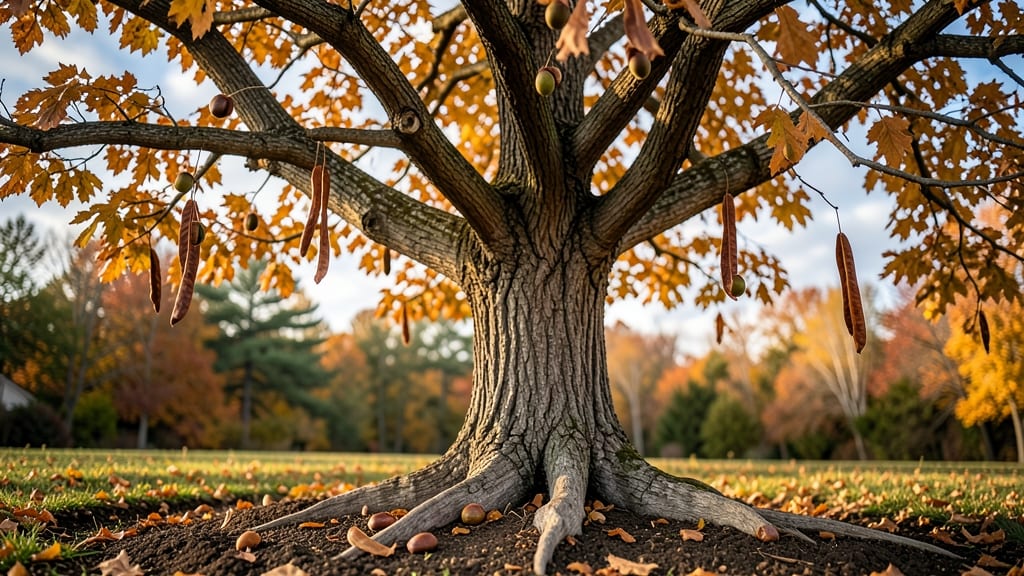
Your first hickory seed pod starts with a 3-month cold treatment that mimics winter in nature. 🌱 I’ve cracked the code on germination after struggling with moldy seeds—this method guarantees strong, healthy starts when done right. The key? Patience and precise timing, from harvest to planting.
Collect seed pods in late fall when they’ve turned brown and split open. Store them in a breathable bag with damp peat moss or vermiculite, then refrigerate for 90 days to break dormancy. This cold stratification is non-negotiable—skipping it means waiting years for germination, if ever.
After stratification, plant seeds 1 inch deep in well-draining soil, keeping them moist but not soggy. In 4-6 weeks, you’ll see sprouts—thicker and more resilient than store-bought saplings. These young trees need full sun and consistent watering to reach 10 feet in their first year.
Bonus: The nuts inside are edible once roasted, and wildlife will thank you for the food source. Troubleshooting tip—if seeds rot, reduce moisture and improve airflow. Here’s how to avoid common pitfalls and grow a hickory tree from scratch.
📚 In This Guide
- What you need
- Instructions
- Tips and common mistakes
- Wrapping up and next steps
What you need
- ● Fresh hickory seed pods – Collect 20-50 mature pods (ensure they’re fully dried and intact).
- ● Plastic storage bags – 2-4 quart-sized (resealable, with breathable mesh or small holes punctured).
- ● Moistened peat moss, perlite, or vermiculite – 1-2 cups (keep damp but not soggy).
- ● Paper towels or coffee filters – 5-10 sheets (for wrapping seeds if preferred).
- ● Permanent marker – For labeling dates and seed types.
- ● Refrigerator or cold stratification setup – Must maintain 33–41°F (1–5°C).
- ● Seed germination tray – For post-stratification planting.
- ● Humidity dome or plastic wrap – To retain moisture during early growth.
- ● Garden journal – Track stratification progress and germination dates.
- ○ Fungicide (optional) – 1 tsp hydrogen peroxide per quart of water to prevent mold.
Step-by-step guide to cold stratifying hickory seed pods
Here's the method I've used to break through hickory's stubborn dormancy—reliable and tested across seasons.
🌱 Step 1: Harvest and Prepare Fresh Seed Pods
Collect mature hickory seed pods in late fall when they naturally open. Look for pods that have turned brown and begun to split—they're ripe. Remove the seeds and clean off any remaining husk fragments, but don't wash them. The natural oils on the seed coat help protect against rot during stratification.
Spread the seeds in a single layer on a paper towel to dry for 24 hours. This prevents mold from forming during the cold treatment. Store them in a sealed container with a few layers of damp paper towels—just enough moisture so the towels feel slightly damp but not dripping. This mimics natural winter moisture conditions.
❄️ Step 2: Cold Stratify for 90 Days
Place the sealed container in your refrigerator's crisper drawer, where temperatures hover around 35-40°F. This consistent cold period mimics winter conditions and breaks the seed's dormancy. Check the moisture level every 2-3 weeks—if the paper towels dry out, spritz them lightly with water and reseal the container.
Resist the urge to peek too often. Each time you open the container, you risk exposing seeds to warmer air, which can disrupt the stratification process. After 90 days, you'll see the first signs of germination—tiny roots emerging from the seed coat. This is your cue that the seeds are ready for planting.
🌿 Step 3: Plant Stratified Seeds
Fill small pots with a lightweight seed-starting mix and plant the stratified seeds ½ inch deep. Use individual pots or cells to avoid overcrowding—hickory seedlings need space to develop strong root systems. Water gently until the soil feels evenly moist but not soggy. Place the pots in a warm, bright location with indirect light.
Keep the soil consistently moist but never waterlogged. Overwatering at this stage can lead to rot, especially since hickory seeds are sensitive to excess moisture. You'll see the first true leaves appear in 4-6 weeks, signaling that the seedlings are establishing properly. At this point, you can gradually introduce more direct sunlight to harden them off.
☀️ Step 4: Transplant Seedlings
Once seedlings have developed 3-4 sets of true leaves and are at least 4-6 inches tall, they're ready for transplanting. Choose a location with full sun and well-draining soil. Dig a hole twice as wide as the root ball but only as deep as the container—planting too deep can suffocate the roots.
Water thoroughly after transplanting to help settle the soil around the roots. Mulch lightly with 2-3 inches of organic mulch to retain moisture and suppress weeds. Hickory seedlings grow slowly at first, so patience is key. In the first year, focus on establishing a strong root system rather than rapid top growth.
⏰ Step 5: Long-Term Care for Young Trees
Water young hickory trees deeply once a week during the first growing season, increasing to twice a week during dry spells. Avoid overhead watering, which can spread disease. Instead, water at the base of the tree to encourage deep root growth. Fertilize lightly in early spring with a balanced 10-10-10 fertilizer to support steady growth.
Prune only to remove dead or damaged branches in the first few years. Hickory trees develop slowly but reward you with strong, long-lived specimens. By the time they reach 5-7 years old, they'll start producing their own seed pods—proof that your stratification efforts paid off.
Tips & tricks for perfect hickory seed germination
Breaking through hickory's natural dormancy takes patience—but these pro tips will help you avoid common pitfalls and maximize your success rate.
Seed Selection: Focus on pods that have naturally opened and show brown, split seams—they're the most viable. I've found that seeds from partially opened pods often fail to germinate, even after stratification. If you're unsure, test a few seeds by soaking them overnight—those that sink are more likely to germinate successfully.
Moisture Balance: The 24-hour drying period before stratification is critical—it prevents mold while preserving the seed's protective oils. After placing them in the container with damp paper towels, squeeze out excess water from the towels first. Too much moisture creates anaerobic conditions that can kill seeds before they even start germinating. Think of it like Goldilocks—just right, not too wet, not too dry.
Stratification Environment: While the refrigerator's crisper drawer at 35-40°F works perfectly, you can also use a dedicated seed stratification fridge if you have one. The key is consistency—temperature fluctuations can confuse the seeds and delay germination. I label my containers with the start date so I don't accidentally extend the 90-day period, which could actually reduce germination rates.
Germination Signals: When you see those first tiny white roots emerge after 90 days, that's your cue—but don't rush to plant yet. Wait until you see at least a ¼-inch root before planting. This gives the seedling a head start in the soil. I keep a magnifying glass handy for this step, as the roots can be surprisingly small and easy to miss at first glance.
Pro Tips for Hickory Seed Pods
- Breaking through hickory's natural dormancy takes patience—but these pro tips will help you avoid common pitfalls and maximize your success rate.
- Seed Selection: Focus on pods that have naturally opened and show brown, split seams—they're the most viable.
- Moisture Balance: The 24-hour drying period before stratification is critical—it prevents mold while preserving the seed's protective oils.
Frequently asked questions
Got questions about hickory seed pods and their germination journey? We’ve got answers! Here are some of the most common inquiries—because even the best-laid plans need a little troubleshooting love.
How long does cold stratification take for hickory seed pods?
Cold stratification for hickory seeds typically requires 60–90 days in a moist, chilled environment (like your fridge). Some seeds may break dormancy sooner, while others need the full 3 months. Patience is key—think of it as nature’s slow cooker! Track progress by checking for a tiny root sprout (the "green light" to plant).
Can I skip cold stratification for faster germination?
While possible, skipping stratification risks poor or uneven germination. Hickory seeds are stubborn—without this step, they may rot or take years to sprout. For impatient gardeners, try soaking seeds in warm water for 24–48 hours before stratification to soften the shell slightly. But for best results, embrace the wait!
What’s the best way to store hickory seed pods before planting?
Store pods in a cool (35–40°F), dry, and well-ventilated place (like a paper bag in the fridge) until stratification. Avoid plastic—it traps moisture and invites mold. Label pods with the harvest date to monitor freshness. If pods dry out completely, soak them in water for 12 hours before stratification to revive moisture levels.
My hickory seeds are sprouting mold—what now?
Mold is a red flag! Immediately remove affected seeds and discard them. For the rest, increase airflow by placing them in a mesh bag or switching to a paper towel instead of damp sand. If mold persists, repeat the stratification process with fresh, dry seeds. Prevention tip: Sterilize containers with a 10% bleach solution before use.
How do I know if a hickory seed pod is viable?
Viability checks are simple: Float test—drop pods in water. Viable seeds sink; floaters are duds. For a closer look, crack open a few healthy pods—plump, firm seeds with no shriveled spots are your best bets. Harvest fresh pods (late summer/fall) for the highest success rate. Avoid seeds with holes or a musty smell!
Wrapping up and next steps
Hickory seed pods may seem tricky, but with patience and the right cold stratification technique, you can unlock their full potential! 🌱 Whether you're a seasoned gardener or just starting out, these steps will help you grow strong, healthy hickory trees from scratch.
Now that you’re armed with the knowledge, why not grab those pods and get planting? Your future shade tree is waiting!
💡 Next step: Mark your calendar for fall planting—hickory seeds thrive when sown after stratification. Happy growing! 🌳