
Lawn
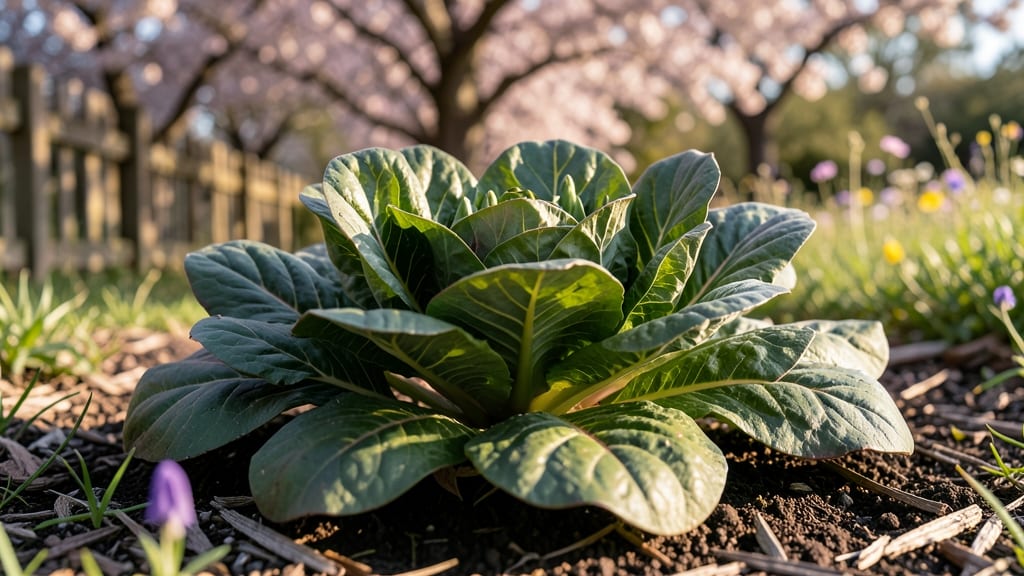
Black Seed Simpson lettuce thrives where most varieties fail—through winter's chill and early spring's unpredictability. 🌱 I've grown this variety for years, and it's the only lettuce that survives my zone 5 winters without bolting or turning bitter.
The secret lies in its cold tolerance and quick harvest window, making it perfect for gardeners who want fresh greens year-round.
This variety loves well-draining soil rich in organic matter, but it won't fuss if your garden soil is average. Direct sow seeds in late summer for a fall harvest or early spring for an early crop—just keep them spaced 12-18 inches apart.
A sunny spot with at least 4-6 hours of light daily keeps leaves tender and sweet, while consistent moisture prevents bitterness. Mulch helps retain soil warmth and protect tender leaves from late frosts.
You'll harvest crisp, dark green leaves in just 30-40 days, and the plants keep producing if you cut outer leaves carefully. The flavor stays mild and sweet even in cold weather, making it ideal for salads, sandwiches, or cooking.
Unlike other lettuces, Black Seed Simpson won't bolt until temperatures climb above 80°F, giving you a reliable harvest window from early spring through late fall.
Watch for slugs and aphids, which love tender young leaves, but a simple beer trap or neem oil spray keeps them at bay. If leaves turn yellow or wilt, it's usually a sign of overwatering—this lettuce prefers consistent moisture, not soggy soil.
With minimal effort, you'll enjoy fresh greens even when your neighbors are stuck with store-bought lettuce.
📚 In This Guide
- What you need
- Instructions
- Tips and common mistakes
- Wrapping up and next steps
What you need
- ● Seeds: 1 packet of Black Seed Simpson Lettuce (approx. 500 seeds per packet).
- ● Growing Containers or Garden Bed: Containers: 6–12-inch deep pots (3–5 per plant) with drainage holes.
- ● Garden Bed: Well-draining soil in a sunny or partially shaded spot (6+ hours of light daily).
- ● Potting Soil: High-quality, organic, seed-starting mix (1–2 bags, depending on container size).
- ● Compost or Fertilizer: Balanced organic fertilizer (5-10-5 ratio) or compost tea for nutrients.
- ● Watering Can or Hose: With a gentle spray nozzle for even moisture.
- ● Hand trowel or transplanting tool for seedling care.
- ● Mulch (straw or shredded leaves) to retain moisture.
- ● Row covers or frost cloth (for cold climates).
- ○ pH test kit (optional, to ensure soil pH is 6.0–7.0).
Instructions for growing Black Seed Simpson lettuce
This cold-hardy variety thrives in cool weather and rewards patience with crisp, flavorful leaves.
🌱 Step 1: Prepare Your Planting Site
Black Seed Simpson lettuce grows best in well-draining soil with a pH between 6.0 and 7.0. Work in 2-3 inches of compost into the top 6 inches of soil to improve fertility and moisture retention. This variety tolerates partial shade, but for the crispest leaves, aim for 4-6 hours of morning sun—afternoon heat causes bolting.
Loosen the soil to a depth of 8-10 inches with a garden fork to prevent compaction. If your soil drains poorly, mix in 1-2 inches of coarse sand or perlite to improve aeration. I always test drainage by digging a hole, filling it with water, and checking if it drains within 30 minutes—if not, amend further.
🌱 Step 2: Sow Seeds at the Right Time and Depth
Sow seeds ¼ inch deep, spacing them 12-18 inches apart in rows 12 inches apart. Black Seed Simpson germinates best at 55-65°F, so avoid planting when soil temperatures exceed 75°F—it’ll bolt before you get leaves. For year-round harvests, start seeds 4-6 weeks before your last frost date in spring or 6-8 weeks before your first frost in fall.
I like to use a seed tape for even spacing—just press it into the soil and cover lightly. Water gently with a fine-mist spray to avoid disturbing the seeds. Keep the soil evenly moist (not soggy) until germination, which takes 7-14 days. If seedlings emerge unevenly, thin to the strongest plants, leaving 12 inches between them.
💧 Step 3: Maintain Moisture and Protect from Pests
Lettuce roots are shallow, so water deeply 1-2 times per week, aiming for 1 inch of water total. Use a drip irrigation system or soaker hose to keep leaves dry—wet foliage invites downy mildew. I water in the early morning so leaves dry quickly, reducing disease risk. Mulch with 2-3 inches of straw or shredded leaves to retain moisture and suppress weeds.
Watch for slugs and aphids, which love tender lettuce. Handpick slugs at night (they’re most active then) or set out beer traps (bury a shallow dish filled with beer). For aphids, spray with neem oil or introduce ladybugs—they’re natural predators. If leaves yellow at the edges, it’s often overwatering or nutrient deficiency; cut back on water and side-dress with compost tea.
✂️ Step 4: Harvest for Continuous Yield
Start harvesting outer leaves when they reach 4-6 inches tall, using clean scissors or your fingers. This encourages the plant to keep producing while you harvest. For baby leaves, cut 1-2 inches above the soil to keep the plant compact. Black Seed Simpson is cut-and-come-again, meaning it regrows after harvesting—just avoid cutting more than ⅓ of the plant at once.
In cold climates, protect plants with row covers in winter. If temperatures drop below 20°F, cover with straw mulch or move pots to a sheltered spot. With proper care, you’ll get harvests for 6-8 weeks from a single planting. The first harvest is the sweetest—after that, keep an eye on bolting if days get too long or warm.
⏰ Step 5: Plan Successive Plantings for Year-Round Supply
For continuous harvests, sow new seeds every 2-3 weeks from early spring to late summer. In fall, plant 6-8 weeks before your first frost for a winter crop. I mark planting dates on a garden calendar to avoid gaps. Black Seed Simpson handles light frosts, so don’t rush to harvest before winter—it’ll keep producing until temperatures drop below 15°F.
Rotate planting locations yearly to prevent soil-borne diseases. If you notice yellowing leaves or stunted growth, it’s time to move to fresh soil. With this method, I’ve enjoyed fresh lettuce from April through November—even in my zone 5 garden. The key is consistent moisture, shade in summer, and protection in winter.
Tips & tricks for perfect Black Seed Simpson lettuce
Here's what I've learned after growing this variety for years—these tricks will help you avoid common pitfalls and get the most from your plants.
Soil Prep Matters: Don't skip the drainage test in Step 1! That 30-minute water test reveals if your soil will work for Black Seed Simpson. I've seen lettuce plants drown in heavy clay soil that looked fine at first glance. If water pools after 30 minutes, mix in more sand or perlite until it drains freely. The right soil texture makes all the difference for crisp leaves.
Timing Secret for Germination: The 7-14 day germination window can feel like forever, but consistency matters more than speed. Use a fine-mist spray to keep soil evenly moist—not soggy—during this time. I've found that checking soil moisture with your finger (top inch should feel damp) works better than relying on a schedule. Uneven moisture causes the uneven germination you might see in Step 2.
Pest Prevention Strategy: I've battled slugs and aphids with this variety, but the early morning watering routine from Step 3 is your first line of defense. Wet leaves at night create perfect conditions for pests. Add beer traps right after planting—slugs will find them before they find your lettuce. For aphids, I've had success with a simple neem oil spray every 10 days during warm months.
Harvesting Technique: When harvesting those 4-6 inch outer leaves in Step 4, use clean scissors to avoid tearing. I've learned to cut at a slight angle—this prevents water from pooling on the leaf and causing rot. For baby leaves, cutting 1-2 inches above soil keeps the plant compact and encourages regrowth. This "cut-and-come-again" method gives you multiple harvests from one planting.
Pro Tips for Black Seed Simpson Lettuce
- Here's what I've learned after growing this variety for years—these tricks will help you avoid common pitfalls and ge...
- Soil Prep Matters: Don't skip the drainage test in Step 1! That 30-minute water test reveals if your soil will work f...
- Timing Secret for Germination: The 7-14 day germination window can feel like forever, but consistency matters more th...
Frequently asked questions
about Black Seed Simpson Lettuce—because growing this cold-hardy green shouldn’t come with guesswork! Here are answers to the most common questions from gardeners just like you.1. How cold can Black Seed Simpson Lettuce tolerate?
Black Seed Simpson is one of the most cold-hardy lettuces, thriving in temperatures as low as 15–20°F (-9 to -7°C). It even bolts less in heat compared to other varieties, making it ideal for early spring or fall plantings in cooler climates. For best results, avoid planting when daytime temps exceed 75°F (24°C).
2. How long does it take to harvest Black Seed Simpson Lettuce?
You can start harvesting leaf lettuce in 30–40 days and full heads in 50–60 days, depending on your climate. For continuous harvests, pick outer leaves first—this encourages regrowth! If you’re growing it for baby greens, snip leaves as soon as they’re 4–6 inches tall.
3. What’s the best way to store harvested Black Seed Simpson Lettuce?
Store whole heads in a plastic bag with a paper towel to absorb moisture, then refrigerate for up to 10–14 days. For loose leaves, wash and dry thoroughly, then wrap in a damp paper towel before storing. Freezing isn’t recommended—this variety loses texture when thawed.
4. Can I grow Black Seed Simpson Lettuce in containers?
This variety does well in containers at least 6–8 inches deep, with drainage holes. Use a light, well-draining potting mix and place pots where they get 4–6 hours of sunlight daily. Just keep an eye on moisture—container-grown lettuce dries out faster.
5. Why is my Black Seed Simpson Lettuce turning bitter or bolting early?
Bitter taste or early bolting (flowering) usually happens due to heat stress, overcrowding, or poor soil fertility. To prevent it:
- Provide shade cloth (30–50%) if temps rise above 75°F (24°C).
- Space plants 8–12 inches apart for airflow.
- Fertilize with compost or balanced organic fertilizer every 3–4 weeks.
- Harvest promptly—don’t let heads mature too long.
Wrapping up and next steps
Incorporating Black Seed Simpson lettuce into your garden is a game-changer for fresh, cold-hardy greens year-round! 🌱 With its resilience, rich flavor, and easy-growing nature, this variety is perfect for both beginners and seasoned gardeners.
Whether you're sipping crisp salads straight from the garden or sharing your harvest with neighbors, you’re not just growing lettuce—you’re cultivating a healthier, more sustainable lifestyle.
Ready to dive in? Start small—plant a few seeds or seedlings this week and watch your garden thrive! 🌟 Next step: Grab your gloves, pick a sunny spot, and let the Black Seed Simpson adventure begin!