
Planting
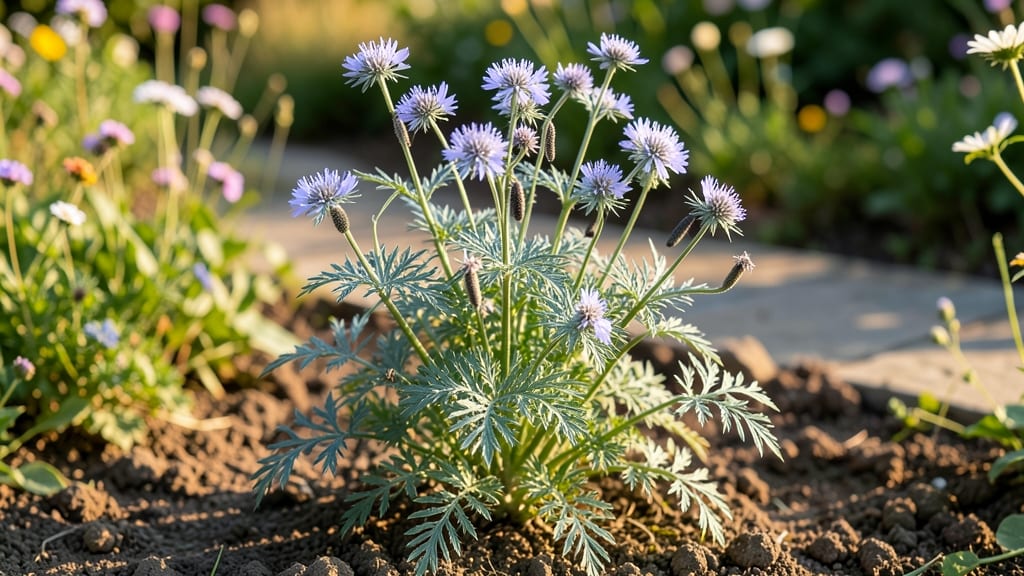
Growing black cumin seeds means sun-loving germination in just 10 days—no waiting months like other herbs. 🌱 I’ve seen these tiny seeds sprout faster than anything else in my garden, and they thrive where other plants struggle. The key is warm soil, consistent moisture, and full sun exposure.
You’ll need well-draining soil, a sunny spot (at least 6 hours of direct sunlight daily), and patience for the first few weeks. Black cumin grows as an annual in most climates, but in warmer regions, it may self-seed like a perennial. The secret to success?
Don’t overwater—these seeds hate soggy soil. By day 10, you’ll see delicate green shoots pushing through the soil, and by summer, you’ll have lush plants with fragrant flowers. The seeds themselves are packed with flavor and medicinal benefits, making this plant a must-have for any garden.
Whether you’re growing for culinary uses, health benefits, or just the beauty of its blue flowers, black cumin is easy to cultivate. Let’s get those seeds sprouting!
📚 In This Guide
- What you need
- Instructions
- Tips and common mistakes
- Wrapping up and next steps
What you need
- ● Black cumin seeds: 1–2 tbsp (about 10–20 seeds). Choose organic, untreated seeds for best results.
- ● Seed trays or small pots: 4–6 inches deep, with drainage holes (biodegradable pots are eco-friendly!).
- ● Potting mix: 2–3 cups of well-draining, seed-starting mix (avoid garden soil—it’s too dense!).
- ● Watering can or spray bottle: With a fine mist setting to avoid disturbing seeds.
- ● Clear plastic wrap or humidity dome: To keep seeds moist during germination.
- ○ Grow light or sunny windowsill: A southeast-facing window or a 12–16 hour LED grow light (optional but helpful).
- ● Plant labels & marker: To track planting dates (trust us, you’ll forget!).
- ● Heating mat: Speeds up germination (keep soil at 70–75°F for faster sprouts!).
- ● Fertilizer: A balanced, water-soluble fertilizer (5-5-5) for transplanting (dilute to half-strength!).
- ● Insecticidal soap: Just in case pesky pests pay a visit.
- ● Journal or app: To log growth progress (because watching seeds sprout is magical!).
Step-by-step guide to growing black cumin from seed
Here’s how to coax these sun-loving seeds into vigorous plants—fast and reliable.
🌱 Step 1: Prep Seeds and Soil for Maximum Germination
Black cumin seeds have a tough outer shell, so I soak them overnight in lukewarm water to soften it. Place them in a small bowl, cover with water, and let them sit for 12 hours. This step cuts germination time by nearly half—you’ll see sprouts in 5-7 days instead of 10.
While the seeds soak, fill 4-inch pots with a light, well-draining mix (equal parts potting soil and perlite). Avoid garden soil—it’s too dense and traps moisture, which black cumin hates. Press the mix down gently until it’s firm but not compacted. The goal is a loose, airy medium that won’t suffocate roots.
💧 Step 2: Plant Seeds at the Right Depth and Moisture
After soaking, drain the seeds thoroughly—waterlogged seeds rot before they sprout. Plant 2 seeds per pot, spacing them ½ inch apart and ¼ inch deep. Cover lightly with a thin layer of soil, just enough to hide the seeds. Pat the surface gently to ensure contact with the soil.
Water immediately after planting, but don’t drown them. The soil should feel moist to the touch but not soggy. Place the pots in a warm, sunny spot (ideally 70-75°F) and cover loosely with plastic wrap to retain humidity. Check daily—condensation on the wrap means you’ve got the moisture balance right.
☀️ Step 3: Provide Bright Light and Monitor Sprouting
Black cumin is a full-sun lover, so move the pots to the brightest window or under grow lights as soon as you see the first signs of sprouting. You’ll spot tiny green tips breaking through the soil in 3-5 days. Once they emerge, remove the plastic wrap immediately—too much humidity now invites fungal issues.
Keep the soil evenly moist (not wet) during this phase. Water when the top ½ inch feels dry, using a spray bottle to avoid disturbing the delicate sprouts. Leggy seedlings? Your light isn’t strong enough—move them within 2 inches of the light source to prevent weak stems.
🌿 Step 4: Thin and Harden Off for Outdoor Success
When seedlings reach 2 inches tall, thin to the strongest one per pot by snipping the weaker stem at the base. This reduces competition and gives your plant room to grow. After thinning, let the soil dry slightly between waterings—black cumin is drought-tolerant once established.
Start hardening off 2 weeks before your last frost. Place the pots outside in partial shade for 1-2 hours the first day, gradually increasing exposure over 7-10 days. Watch for wilting or yellowing—if you see it, they’re not ready yet. Once they’re thriving outdoors, transplant to the garden in well-drained soil with full sun.
Tips & tricks for perfect black cumin seed germination
Here's what I've learned after growing black cumin successfully for years—these little details make all the difference between waiting weeks or seeing sprouts in just 10 days.
Soaking Strategy: The 12-hour lukewarm water soak is non-negotiable for these tough seeds, but here's the pro move: use a glass bowl instead of plastic. You'll see condensation forming on the sides—this tells you the humidity level is perfect for softening those hard shells. If your water gets cloudy after 6 hours, drain and refresh it with fresh lukewarm water to prevent bacterial growth.
Soil Science: That 50/50 potting soil and perlite mix isn't just about drainage—it's about creating the perfect air-to-moisture ratio black cumin craves. I like to add a handful of coarse sand to the mix for extra grit, which mimics the mineral-rich conditions these seeds prefer in their native habitats. The soil should crumble easily when squeezed but hold its shape when you release pressure.
Lighting Secret: When you spot those first green tips in 3-5 days, resist the urge to move them immediately to full sun. Start with bright indirect light for 24 hours to let their tiny root systems establish before exposing them to direct sunlight. I use a simple desk lamp with a full-spectrum bulb placed 6 inches above the pots during this critical transition phase.
Hardening Off Hack: The 2-week hardening off period is your chance to test their resilience. I like to add a gradual wind exposure component: place a small fan on low setting near the pots for 10 minutes each day during the last 5 days of hardening. This mimics natural wind conditions and strengthens their stems for transplanting—you'll notice the surviving plants stand up straighter and grow more vigorously after this treatment.
Pro Tips for Black Cumin Seed Plant
- Here's what I've learned after growing black cumin successfully for years—these little details make all the differenc...
- Soaking Strategy: The 12-hour lukewarm water soak is non-negotiable for these tough seeds, but here's the pro move: u...
- Soil Science: That 50/50 potting soil and perlite mix isn't just about drainage—it's about creating the perfect air-t...
Frequently asked questions
Got questions about growing your black cumin seed plant? You’re not alone! Here are the most common queries—plus quick, actionable answers to keep your seeds thriving.
How long do black cumin seeds take to germinate?
With the right conditions (warmth, moisture, and sunlight), black cumin seeds typically sprout in 7–10 days. For faster results, soak seeds in warm water for 4–6 hours before planting. Patience pays off—just keep the soil consistently moist (not soggy) and maintain temperatures above 70°F (21°C).
Can black cumin seeds grow in cold weather?
Black cumin seeds hate cold! They thrive in warm climates (USDA Zones 8–11) and struggle below 50°F (10°C). If you’re in a cooler zone, start seeds indoors under grow lights 6–8 weeks before the last frost, or use a heated seed mat. For outdoor planting, wait until soil temps are consistently above 60°F (15°C).
What’s the best soil mix for black cumin seeds?
Black cumin seeds prefer well-draining, slightly alkaline soil (pH 7.0–8.0). Mix equal parts potting soil, perlite, and compost for ideal aeration. Avoid heavy clay—it can cause rot. A 50/50 blend of coco coir and vermiculite also works well for container growing. Pro tip: Add a handful of sand to improve drainage!
Why aren’t my black cumin seeds sprouting?
Common culprits: too much water (seeds rot), cold soil (stops germination), or old seeds (viability drops after 1–2 years). Try these fixes:
- Test soil moisture: Stick your finger 1 inch deep—if damp but not wet, you’re good.
- Warmth check: Use a seedling heat mat if temps dip below 65°F (18°C).
- Fresh seeds: Buy new seeds if yours are over a year old.
Can I grow black cumin seeds in containers?
Black cumin thrives in 5–7 gallon pots with drainage holes. Use a lightweight, fast-draining mix (like 60% potting soil + 30% perlite + 10% compost). Place containers in full sun (6+ hours daily) and water at the soil level to avoid fungal issues. Just ensure pots are at least 12 inches deep—shallow containers stunt root growth.
Wrapping up and next steps
The black cumin seed plant thrives with just a little patience and sun—germinating in as little as 10 days when given the right conditions! 🌱 Whether you're a seasoned gardener or a curious beginner, these sun-loving seeds offer a rewarding harvest with minimal effort.
Ready to grow your own? Start by gathering your supplies, follow the simple steps, and soon you’ll be enjoying the benefits of this versatile plant.
Your next step: Plant those seeds today and watch them sprout into a flourishing garden! Share your progress with fellow plant enthusiasts or explore creative ways to use your harvest.