
Lawn
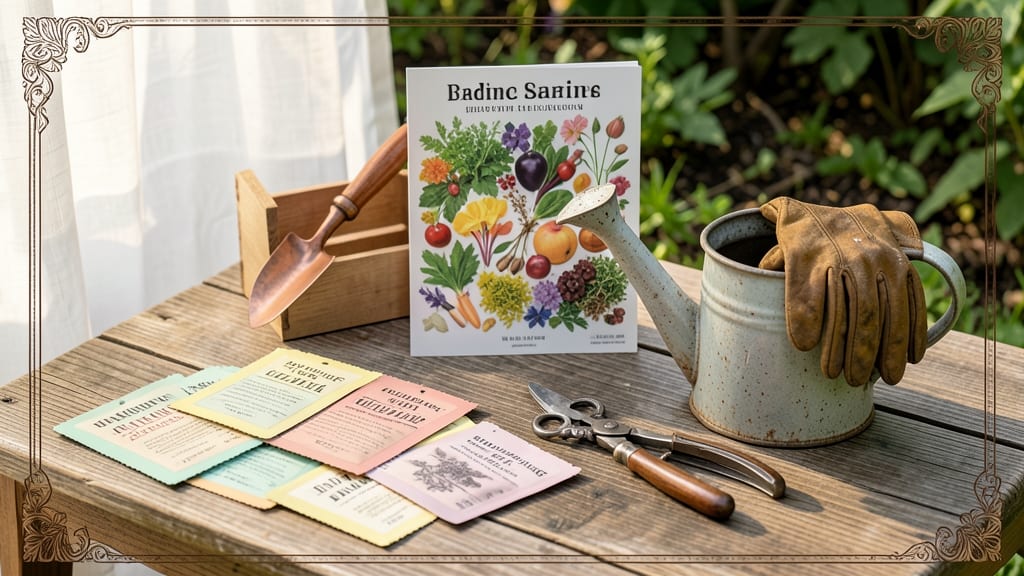
Your 2026 seed catalog isn’t just a list—it’s your garden’s blueprint for next year’s most vibrant blooms and biggest harvests. 🌸 I’ve used these catalogs for years to uncover varieties that local nurseries never carry, from heirloom tomatoes with 3-inch fruits to drought-resistant flowers that thrive in my hot, dry summers.
The real magic happens when you match seeds to your climate zone and growing goals. Catalogs show planting windows, days to maturity, and even companion planting tips—everything you need to avoid last year’s mistakes.
I’ve saved $50+ by ordering early when discounts kick in, and the right varieties mean fewer pests and more reliable blooms.
By summer 2026, you’ll be snipping fresh basil straight from your windowsill or picking zucchinis that outsize the store-bought ones. The catalogs also reveal exclusive varieties bred for specific regions, so your garden becomes the envy of the neighborhood.
Start now by comparing catalogs for the best prices and variety selection—some even offer free seed samples. Whether you’re a first-time gardener or a seasoned pro, this is how you turn next year’s garden dreams into reality.
📚 In This Guide
- What you need
- Instructions
- Tips and common mistakes
- Wrapping up and next steps
What you need
- ● Seed packets: Choose from the 2026 catalog’s exclusive varieties (e.g., drought-resistant grasses, vibrant wildflowers, or native perennials). Plan for 1–3 lbs of seed per 1,000 sq ft, depending on coverage goals.
- ● Lawn soil test kit: Ensures pH and nutrient balance (aim for 6.0–7.0 pH for most grasses).
- ● Broadcast spreader: For even seed distribution (handheld or tow-behind models work).
- ● Rake (bow rake or stiff-bristle): Levels soil and covers seeds lightly (¼-inch depth max).
- ● Water source & hose: With a fine mist nozzle for gentle hydration.
- ● Fertilizer (slow-release, 16-4-8 NPK ratio): Apply ½ lb per 100 sq ft post-planting.
- ○ Mulch or straw: ¼-inch layer to retain moisture (optional but recommended for dry climates).
- ● Seedling heat mat: For early starts (70–75°F ideal for germination).
- ● Soil conditioner (compost or peat moss): Improves drainage and texture.
- ● Weed barrier fabric: Suppresses weeds without chemicals.
- ● Seedling trays & grow lights: For indoor pre-sprouting (great for cool climates!).
- ● Lawn roller (lightweight): Firms soil post-planting for better seed-to-soil contact.
How to plan your 2026 flower garden using next year's seed catalog
Here’s how I turn a seed catalog into a thriving, high-impact garden plan—step by step.
🌱 Step 1: Organize Catalogs by Plant Type and Season
Start by grouping seeds by bloom season (spring, summer, fall) and plant type (annuals, perennials, bulbs). I use three color-coded tabs in my catalog: yellow for sun-lovers, blue for shade, and green for pollinator magnets. This prevents overwhelm and ensures balanced color throughout the year.
Note mature plant height and spread—these determine placement. Tall varieties like Delphinium ‘Galaxy’ (5-6 feet) go in the back, while Nasturtium ‘Alaska Mix’ (12 inches) thrive in front. Sketch a rough layout on graph paper using the square-foot spacing guidelines from each seed packet.
☀️ Step 2: Map Sunlight Exposure to Plant Needs
Before ordering, audit your garden’s sunlight zones. Use a sunlight map (available free from local extension offices) to mark areas with full sun (6+ hours), partial shade (3-6 hours), and deep shade (under 3 hours). Highlight these zones on your garden plan.
Cross-reference with catalog notes: Sunflowers ‘Autumn Beauty’ need full sun, while Impatiens ‘Super Elfin’ thrive in partial shade. I flag mismatches—like ordering Lavender for a shady spot—and swap them for Catmint ‘Walker’s Low’, which tolerates partial shade better.
🌿 Step 3: Prioritize Pollinators and Seasonal Interest
Dedicate 20-30% of your selections to pollinator-friendly varieties like Black-Eyed Susan ‘Goldsturm’ or Bee Balm ‘Jacob Cline’. These ensure year-round activity. Next, layer bloom times: plant early spring (Pansies, Snapdragons) alongside late summer (Zinnias, Cosmos) to avoid gaps.
Add 3-5 “filler” plants (like Sweet Alyssum) for texture and 2-3 “thriller” plants (like Gladiolus ‘Picasso’) for height. I circle these in my catalog to ensure they’re included—even if they’re not the “star” varieties. This creates visual depth without overcrowding.
⏰ Step 4: Plan for Succession Planting and Soil Prep
Note days to maturity for each variety. For example, Basil ‘Genovese’ matures in 60 days, so I schedule it for early spring to harvest before summer heat. Mark succession crops (like Bush Beans) with sticky notes to stagger plantings every 2-3 weeks for continuous harvests.
Check soil requirements—Tomatoes need 6.0-6.8 pH, while Blueberries require 4.5-5.5. Jot these next to each plant in your catalog so you can amend soil before planting. I also note mulch needs (straw for moisture retention, pine needles for acid-loving plants).
📝 Step 5: Finalize Orders with a Budget and Timeline
Calculate costs per square foot of impact. For example, Calendula ‘Moonlight Yellow’ costs $2.50 per packet but yields 50 plants—that’s $0.05 per plant. Compare this to Zinnias ‘Benary’s Giant’ at $3.50 per packet for 30 plants ($0.12 per plant). Prioritize high-impact, low-cost varieties first.
Order perennials first (they arrive earlier) and annuals last (closer to planting season). Set a shipping deadline—most seed companies recommend ordering 6-8 weeks before last frost for spring planting. I schedule reminders for soil testing (4 weeks before planting) and seed starting (8 weeks before last frost).
Tips & tricks for mastering your 2026 garden plan
Here's what I've learned after years of turning seed catalogs into showstopping gardens—these details make all the difference.
Design Strategy: In Step 1, when you're sketching your layout, I recommend using a digital garden planner app like Garden Planner or SketchUp to visualize plant heights and spreads in 3D. This helps you spot potential issues—like a tall Delphinium 'Galaxy' blocking sunlight from shorter varieties—before you order seeds. I also add notes about color families (cool blues/purples together, warm reds/yellows together) to create cohesive visual zones that pop in photos.
Sunlight Mapping: For Step 2's sunlight audit, I take it a step further by using a sunlight tracking app for 2-3 days to map your garden's actual light patterns. Many catalogs list sun requirements as "full sun," but what they mean varies—Sunflowers 'Autumn Beauty' need 6+ hours of direct sun, while Coneflowers 'Magnus' thrive in 3-5 hours. I flag these nuances in my catalog and adjust my planting plan accordingly. A simple trick: use a whiteboard or large poster in your planning space to physically move plant cards around until you achieve the perfect balance.
Pollinator Planning: When prioritizing pollinators in Step 3, I go beyond the 20-30% recommendation and create dedicated pollinator pathways through my garden. These should include early bloomers (like Crocus), mid-season stars (such as Bee Balm), and late-season feeders (like Asters). I also note plant toxicity—avoid planting Foxglove near pollinator-friendly areas, as it's toxic to bees. For maximum impact, place pollinator plants near water sources and sheltered spots where bees can rest.
Budget Optimization: In Step 5, when calculating costs per square foot, I create a two-tiered budget system. First, I allocate funds for core plants (those with high visual impact or pollinator value). Then, I use the remaining budget for filler plants like Sweet Alyssum or Lobelia, which add texture without breaking the bank. I also look for bulk seed deals on varieties I know will perform well in my climate—like Zinnias or Marigolds—and save money by purchasing extra packets to share with gardening friends.
Pro Tips for 2026 Seed Catalog
- Here's what I've learned after years of turning seed catalogs into showstopping gardens—these details make all the difference.
- Design Strategy: In Step 1, when you're sketching your layout, I recommend using a digital garden planner app like Garden Planner or SketchUp to visualize plant heights and spreads in 3D.
- Sunlight Mapping: For Step 2's sunlight audit, I take it a step further by using a sunlight tracking app for 2-3 days to map your garden's actual light patterns.
Frequently asked questions
Got questions about the 2026 seed catalog? You’re not alone! Here are some of the most common inquiries—and their answers—to help you plan ahead for next year’s garden.
When should I start ordering seeds from the 2026 catalog?
Most seed companies release their new catalogs in late summer or early fall (August–October) for the following year. Start browsing in November 2025 to secure rare varieties, but place orders by December–January 2026 to avoid shortages. Pro tip: Bookmark your favorites early—some seeds sell out fast!
How early can I plant the seeds I order?
Timing depends on your climate zone! Check the catalog’s planting charts for each variety—some (like cool-season veggies) can go in early spring or fall, while others (like tomatoes) need warm soil (after last frost). Use a local frost date calculator to plan.
Are there more affordable alternatives to ordering from the 2026 catalog?
Yes! Consider:
- Local seed swaps: Garden clubs or farmers’ markets often share seeds for free.
- Heirloom seed banks: Nonprofits like Seed Savers Exchange offer diverse, budget-friendly options.
- Store-brand seeds: Brands like Burpee or Park Seed sometimes mirror catalog varieties at lower prices.
What if a seed doesn’t germinate after planting?
First, check the packaging for storage tips—some seeds (like peppers) need warmth to sprout. If it’s been 2–3 weeks with no signs of life:
- Test moisture: Soil should feel like a wrung-out sponge.
- Try a heat mat for stubborn seeds.
- Contact the seller: Reputable catalogs offer replacements or refunds for non-viable seeds.
Can I mix seeds from different catalogs for a unique garden?
Mixing varieties can create stunning pollinator gardens or functional companion plantings. Just ensure:
- Similar sunlight needs (e.g., don’t pair shade-loving hostas with sun-hungry sunflowers).
- Matching watering schedules (succulents vs. lettuce = disaster!).
- Check height at maturity to avoid overcrowding.
Wrapping up and next steps
The 2026 seed catalog isn’t just a list—it’s your gateway to next year’s most vibrant lawns and gardens! 🌱 From rare heirloom varieties to drought-resistant blooms, these exclusive seeds are designed to help you grow with confidence.
Whether you’re a seasoned gardener or just starting, now’s the time to plan, dream, and prepare for a flourishing future.
Ready to take the next step? Mark your calendar for early-bird releases, then browse the catalog to claim your favorites before they sell out. Happy planting—your 2026 garden awaits! 🌸