
Lawn
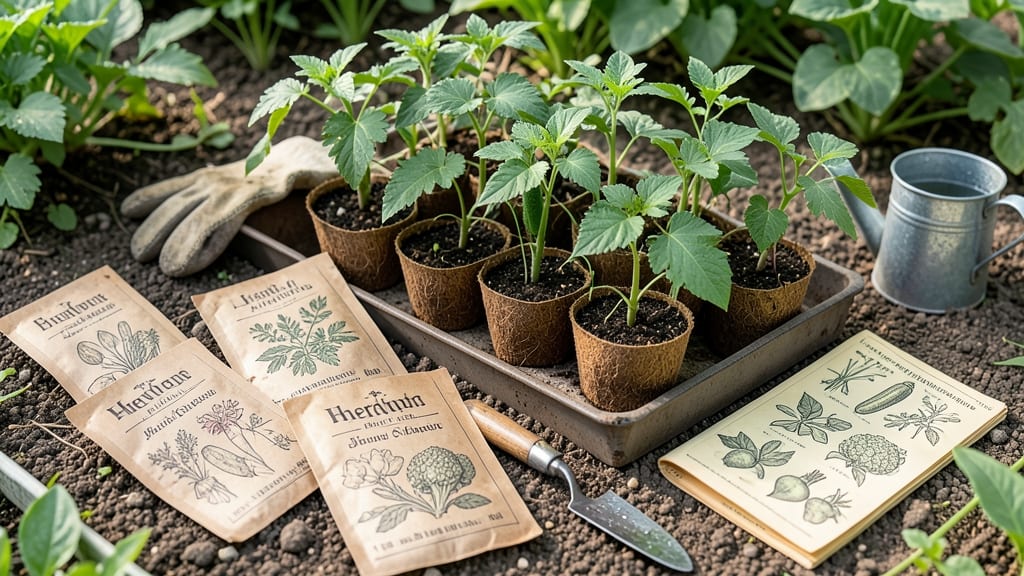
Finding heirloom vegetable seed companies that actually grow true to type and thrive in your garden can feel like hunting for buried treasure. 🌱 I’ve wasted money on seeds that either sprouted into something completely different or bolted before producing anything edible—until I discovered these trusted suppliers that specialize in rare, open-pollinated varieties.
The right supplier makes all the difference: organic certification, transparent growing conditions, and seed-saving support. You’ll want companies that offer heirlooms with deep flavor, disease resistance, and the ability to adapt to your local climate—no more guessing games about what will actually grow in your zone.
Once you’ve picked your seeds, you’ll be rewarded with plants that taste like nothing from the grocery store: sweet, complex, and packed with nutrients. My Black Krim tomatoes and Cherokee Purple eggplants became garden stars after switching to heirloom seeds, and the neighbors started asking for cuttings.
For long-term success, store seeds in a cool, dry place with silica gel packets—this preserves viability for years. And if you love a particular variety, save seeds from your best plants to create your own heirloom collection over time.
📚 In This Guide
- What you need
- Instructions
- Tips and common mistakes
- Wrapping up and next steps
What you need
- ● Heirloom vegetable seeds: Purchase from trusted heirloom vegetable seed companies (e.g., Baker Creek Heirloom Seeds, Seed Savers Exchange, or High Mowing Organic Seeds). Start with 1–2 varieties (e.g., Brandywine Tomatoes or Black Krim Eggplants).
- ● Seed starting supplies: Biodegradable seedling pots (50–100 count) or seed trays with cell inserts.
- ● High-quality organic potting mix (sterilized, 10–20 lbs).
- ● Grow lights or a sunny windowsill (south-facing preferred).
- ● Garden bed or containers: Raised beds (4’x8’ or custom size) or large containers (12"+ depth for root crops).
- ● Organic compost (5–10 gallons) or well-rotted manure.
- ● Mulch (straw or wood chips, 2–3 cubic feet).
- ● Watering tools: Watering can (1–2 gallon capacity) or a hose with a gentle spray nozzle.
- ○ pH testing kit (optional but helpful for soil health).
- ● Seed catalogs or digital guides from your chosen heirloom seed companies for variety details.
- ● Labeling tags or a permanent marker to track seed varieties.
- ● Row covers or frost cloth (for early/late season protection).
- ● Compost thermometer (to monitor heat-loving crops like peppers).
- ● Journal or app (e.g., Gardenate) to log planting dates and growth progress.
How to choose the best heirloom vegetable seed companies
Finding the right source for rare, organic heirloom seeds makes all the difference in your garden's success.
🌱 Step 1: Prioritize Reputation and Seed Quality
Start with companies known for their rigorous seed testing and organic certification. Look for reviews highlighting germination rates above 90% and descriptions of seeds that produce plants true to their heirloom traits. I always check for third-party organic certification—this ensures no synthetic chemicals were used in seed production. Companies like Baker Creek Heirloom Seeds and Seed Savers Exchange have built trust through decades of consistent quality.
Pay attention to how they describe their seeds. Terms like "non-GMO," "open-pollinated," and "organic" should appear prominently. Avoid sellers who can't specify growing conditions or seed age—fresh seeds from the current year germinate best. I've learned the hard way that older seeds, even from trusted brands, can disappoint if stored improperly.
🌿 Step 2: Compare Seed Diversity and Availability
Heirloom seed companies stand out by offering varieties you won't find at big-box stores. Look for catalogs with 500+ unique varieties—this indicates a deep commitment to preserving genetic diversity. I always cross-reference their offerings with seed-saving organizations like the Seed Savers Exchange to ensure they're not just selling mainstream heirlooms but also rare, regional varieties.
Consider your climate zone when browsing. Some companies specialize in cold-hardy varieties (like Pike's Peak Potatoes), while others focus on heat-tolerant tropical heirlooms. Check if they offer regional growing guides—this shows they understand local challenges. I've had great success with High Mowing Organic Seeds for their detailed planting charts tailored to different USDA zones.
☀️ Step 3: Evaluate Customer Support and Resources
The best seed companies provide more than just seeds—they offer growing advice, troubleshooting guides, and sometimes even seed-starting kits. Look for websites with detailed seed descriptions, planting tips, and customer forums. I appreciate when companies include germination instructions specific to heirloom varieties, as these often have different needs than hybrid seeds.
Check their return policies and guarantees. A 30-day germination guarantee means you won't lose money if seeds fail to sprout. I've seen companies like Territorial Seed Company stand behind their products with clear, fair policies. Also, look for educational resources like blogs or webinars—these show their commitment to helping you succeed beyond the sale.
💧 Step 4: Consider Organic Practices and Sustainability
True heirloom seed companies prioritize organic farming practices throughout their entire operation. Ask about their seed production methods—the best companies use compost-based growing systems and avoid synthetic pesticides. I've noticed that companies certified by USDA Organic or OMRI for organic seed production tend to have healthier, more vigorous seeds.
Look for sustainability initiatives like seed-saving programs or partnerships with conservation groups. Some companies donate a portion of profits to seed libraries or biodiversity projects. This shows their values align with yours. I've supported Native Seeds/SEARCH for years because they focus on preserving native and adapted varieties for desert climates.
⏰ Step 5: Order Strategically for Best Results
Place orders early—heirloom seeds often sell out quickly, especially rare varieties. I recommend ordering 6-8 weeks before your last frost date to allow time for seed arrival and early starts indoors. Check shipping times, especially if you're ordering from international suppliers. Some companies offer priority shipping for an extra fee, which can be worth it for heat-sensitive crops.
Consider ordering small quantities first to test different varieties before committing to larger batches. This lets you evaluate germination rates and performance in your specific conditions. I always make a note of which seeds performed best each season—this helps me plan future orders more effectively. Also, look for subscription options or seed clubs that offer discounts for repeat customers.
Tips & tricks for selecting top-tier heirloom seed companies
Avoiding seed scams and ensuring seed viability takes more than just a quick online search—here's how to source the best heirloom varieties with confidence.
Certification Verification: Always cross-check for USDA Organic or OMRI certification when evaluating seed companies. These third-party certifications guarantee seeds were produced without synthetic chemicals, which is critical for heirloom varieties that often have more delicate genetic structures. I've found that companies like Baker Creek Heirloom Seeds and Seed Savers Exchange maintain rigorous testing protocols that ensure germination rates above 90%. Look for these certifications prominently displayed on their websites or product descriptions.
Seed Age Matters: The instructions mention fresh seeds from the current year perform best, and this can't be emphasized enough. I've personally experienced germination failures with seeds over two years old, even from reputable companies. When browsing catalogs, check the seed age listed—ideally, you want seeds harvested within the last 12 months. Many companies specify this information, but if they don't, it's a red flag. For maximum success, prioritize companies that offer current-year seed releases.
Regional Specialization: Step 2 highlights how climate zones influence seed selection, and this is where regional specialists shine. For example, Pike's Peak Potatoes focuses on cold-hardy varieties perfect for mountain climates, while Native Seeds/SEARCH specializes in desert-adapted heirlooms. Before placing orders, identify companies that understand your specific growing conditions. Their regional growing guides often include planting dates tailored to your USDA zone—this level of detail separates the best companies from the rest.
Guarantee Policies: The 30-day germination guarantee mentioned in Step 3 is a non-negotiable feature of trustworthy seed companies. I've seen companies like Territorial Seed Company stand behind their products with clear return policies, which gives me confidence in their seed quality. When evaluating companies, look for explicit germination guarantees in their terms and conditions. This shows they're committed to your success beyond the sale, and it protects you if seeds fail to sprout as promised.
Pro Tips for Heirloom Vegetable Seed Companies
- Avoiding seed scams and ensuring seed viability takes more than just a quick online search—here's how to source the best heirloom varieties with confidence.
- Certification Verification: Always cross-check for USDA Organic or OMRI certification when evaluating seed companies.
- Seed Age Matters: The instructions mention fresh seeds from the current year perform best, and this can't be emphasized enough.
Frequently asked questions
Got questions about heirloom vegetable seed companies?
You’re not alone! Here are answers to the most common queries—so you can grow rare, flavorful veggies with confidence.
What makes heirloom seeds different from hybrid or GMO seeds?
Heirloom seeds are open-pollinated, meaning you can save and replant them year after year. Unlike hybrids (which produce weaker offspring) or GMOs (genetically modified), heirlooms retain their traits and often boast superior flavor, nutrition, and biodiversity. Plus, they’re non-patented, so you’re not breaking any laws by saving seeds!
When is the best time to order heirloom seeds?
Most companies ship seeds year-round, but late winter to early spring (Jan–March) is ideal for planning your garden. Some varieties (like tomatoes or peppers) need 6–8 weeks of indoor starts before last frost. Pro tip: Check your USDA hardiness zone and the seed packet’s days to maturity for timing!
Are heirloom seeds more expensive than conventional seeds?
Yes, but the trade-off is quality, uniqueness, and long-term savings. A packet of heirloom seeds (e.g., $3–$5) often yields more robust plants than cheap hybrids. Plus, you’ll save seeds for future years, cutting costs over time. Look for sales or bulk discounts from reputable companies like Baker Creek or Seed Savers Exchange.
How do I know if an heirloom seed company is trustworthy?
Prioritize companies with:
- Organic certification (e.g., OMRI-listed seeds).
- Clear seed-saving policies (no restrictions).
- Positive reviews on gardening forums or Trustpilot.
- Transparency about sourcing (e.g., non-GMO, untreated seeds).
What if my heirloom seeds don’t germinate?
Don’t panic! Try these fixes:
- Check seed viability: Float a few in water—sinkers are good, floaters may be old.
- Adjust moisture/temperature: Some seeds (like peas) need cold stratification; others (like basil) prefer warmth.
- Use a seed starter kit for consistent conditions.
- Contact the company—they often replace non-viable seeds or offer germination tips.
Pro tip: Store seeds in a cool, dry place (like a fridge) to extend their shelf life (most last 2–5 years).
Wrapping up and next steps
Choosing heirloom vegetable seed companies is a rewarding step toward cultivating rare, flavorful, and sustainable produce. These trusted sources empower gardeners to preserve biodiversity, support organic farming, and connect with heritage crops—all while enjoying the joy of growing something truly special. 🌱
Ready to dive in? Start by exploring the companies mentioned, saving your favorite seeds, and planning your next garden adventure. Your future harvest—and the planet—will thank you!