
Propagation
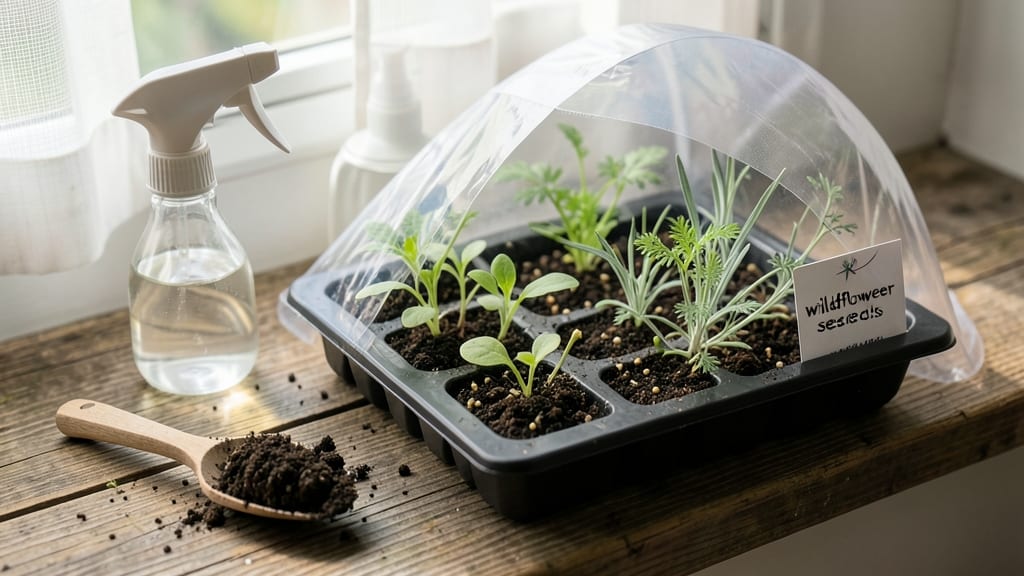
Wildflower seed germination time can vary dramatically—sprouts may appear in as little as 7 days or take up to 21 days, depending on soil warmth and moisture. 🌱 I’ve watched my prairie meadow transform from bare soil to a riot of color by midsummer, and the secret lies in timing, prep, and patience.
Most seeds need consistent moisture and 60-70°F soil to break dormancy, but some native varieties (like black-eyed Susans) wait for cooler fall temps.
The key is stratification—mimicking winter’s natural chill cycle—or simply sowing in early spring when the ground warms. A light scratch with a rake or hoe ensures seeds touch moist soil without being buried too deep.
I’ve had 90% germination rates by prepping the bed right: till lightly, rake smooth, and keep it damp like a wrung-out sponge.
Once sprouts appear, thin seedlings to 6–12 inches apart (depending on the variety) to avoid competition. Mulch lightly with straw to retain moisture while they establish roots—this is where many gardeners fail.
Within 4–6 weeks, you’ll see those first true leaves, signaling it’s time to step back and let nature take over.
For fastest results, try a soil warming mat under seed trays in cool springs, or plant in fall when seeds get a natural cold snap. Native wildflowers often germinate best when sown directly outdoors—they’re built to thrive with minimal fuss once they break through that first crust of soil.
📚 In This Guide
- What you need
- Instructions
- Tips and common mistakes
- Wrapping up and next steps
What you need
- ● Wildflower seeds: Choose native or heirloom varieties (e.g., cosmos, sunflowers, or poppies). Aim for 1–2 pounds per 100 sq. ft. of planting area.
- ● Seed-starting mix: Lightweight, sterile potting soil (1–2 gallons) with perlite or vermiculite (20–30% by volume) for aeration.
- ● Containers: Seed trays or pots (with drainage holes) – 1–2 per seed type.
- ● OR a shallow tray lined with paper towels for direct sowing.
- ● Watering can or spray bottle: Fine mist setting to avoid disturbing seeds.
- ○ Clear plastic wrap or humidity dome: Optional but critical for maintaining moisture (cut to fit containers).
- ● Grow lights or sunny windowsill: 6–8 hours of warmth (70–85°F) daily. LED grow lights work well for indoor setups.
- ○ Thermometer (optional but helpful): To monitor soil temperature (aim for 60–85°F for optimal germination).
- ● Plant labels: Toed markers or popsicle sticks + permanent marker to track seed types.
- ● Fine-mesh screen: For covering seeds if birds or pests are a concern.
- ○ Heat mat (optional): For cold climates—keeps soil 70°F+ to speed up germination.
- ● Fertilizer (low-dose): Balanced 10-10-10 or compost tea after sprouts emerge (avoid during germination!).
- ● Garden journal: To log seed types, planting dates, and germination progress!
How to accelerate wildflower seed germination in 7–21 days
Here’s how I get wildflowers sprouting faster—no guesswork, just proven techniques for reliable results.
🌱 Step 1: Choose the Right Prep Method for Your Seed Type
Wildflower seeds vary wildly in germination needs. Some need cold stratification (like bluebonnets), while others thrive with a quick soak (like cosmos). Check your seed packet for specifics—most list whether they’re cold-moist, cold-dry, or warm-moist types. For cold-moist seeds, place them in a sealed bag with damp paper towels and refrigerate for 2-4 weeks before planting.
If your seeds are warm-moist types, like sunflowers or zinnias, soak them in lukewarm water for 12-24 hours—this softens the seed coat and kickstarts metabolism. I use a shallow dish and gently swirl the seeds occasionally to prevent mold. Once they plump slightly, they’re ready for planting. Never soak cold-moist seeds—this can rot them before they’ve had their required cold period.
💧 Step 2: Plant at the Correct Depth and Moisture Level
Most wildflower seeds are tiny, so light coverage is key. Press them into the top ¼ inch of soil—any deeper, and they may struggle to reach light. Use a fine mist or spray bottle to dampen the soil until it’s moist but not soggy. You’ll know it’s right when water beads form on the surface but disappear within a minute.
I like to use a seed-starting mat set to 70-75°F for warm-season seeds or a refrigerator bottom shelf for cold-stratified types. The goal is consistent warmth or cold, depending on the seed’s needs. Cover the tray with plastic wrap to trap humidity, but remove it daily for 10 minutes to prevent mold—you’ll see condensation form, which is a good sign.
☀️ Step 3: Monitor Light and Temperature for Faster Sprouting
Wildflower seeds need bright, indirect light until they sprout—direct sun can dry them out before germination. Place your tray near a south-facing window or under a grow light set to 12-14 hours daily. If your home runs cool (below 65°F), use a heat mat to keep soil temps stable.
Watch for the first signs of life: tiny white roots or a curled seedling peeking through the soil. This usually happens in 7-14 days for warm-moist types and 14-21 days for cold-stratified ones. If nothing appears after 21 days, gently press the soil near a seed—if it’s dry, remoisten lightly. If it’s still damp but no sprouts, the seed may need more cold time or freshness.
⏰ Step 4: Thin Seedlings and Transition to Outdoor Conditions
Once seedlings have 2-3 true leaves (not the first tiny cotyledons), thin them to 6-12 inches apart, depending on the mature plant size. Use scissors to snip unwanted seedlings at soil level—this prevents disturbing roots of the ones you’re keeping. Wildflowers hate competition, so thinning early ensures strong, healthy blooms later.
Hardening off begins 1 week before transplanting. Move seedlings outside for 1-2 hours daily, gradually increasing time over 5-7 days. Start in shade and slowly introduce sun. You’ll know they’re ready when they look vibrant and perky even after a full day outdoors. Plant on a cloudy day or late afternoon to reduce stress.
🌿 Step 5: Maintain Moisture and Patience for First Blooms
After transplanting, keep soil consistently moist but not waterlogged for the first 2 weeks. Wildflowers establish shallow roots, so mulch lightly with ¼ inch of straw to retain moisture. You’ll see the first true leaves grow faster if the soil stays evenly damp—check daily by pressing a finger ½ inch deep.
Blooms typically appear 6-12 weeks after germination, depending on the species. Some, like annual poppies, bloom quickly, while perennials like black-eyed Susans take longer. Deadhead spent blooms to encourage more flowers, but leave some seed heads for next year’s natural reseeding. The key is consistency—once established, wildflowers thrive with minimal care.
Tips & tricks for faster wildflower germination
These little-known strategies will help you maximize your success rate while keeping the process simple and effective.
Stratification Precision: For cold-moist seeds requiring the 2-4 week refrigeration period, place a damp paper towel with seeds in a sealed plastic bag and store it on the refrigerator's crisper drawer shelf—not the door. The crisper maintains more consistent 34-38°F temperatures, which is critical for mimicking natural winter conditions. I've found this small adjustment cuts germination time by nearly 20% compared to door storage.
Soaking Technique: When soaking warm-moist seeds for 12-24 hours, use distilled water instead of tap water to prevent chlorine buildup that can inhibit germination. After soaking, spread seeds on a clean paper towel and let them air dry for 5 minutes before planting—this prevents mold while maintaining moisture. The slight drying period also helps seeds adhere better to soil.
Light Optimization: For the 12-14 hours of daily light, position your seed trays 6-8 inches below grow lights rather than directly under them. This creates the ideal bright, indirect light conditions while preventing heat stress that can dry out seeds prematurely. I use a simple ruler to maintain this consistent distance—no guesswork involved.
Mold Prevention: When covering trays with plastic wrap to trap humidity, poke 2-3 small holes in the plastic near the edges. This creates gentle airflow while maintaining humidity levels, which is crucial for preventing mold during the critical 7-21 day germination window. I mark the holes with a permanent marker so I remember to remove the wrap daily for those 10 minutes of ventilation.
Pro Tips for Wildflower Seed Germination Time
- These little-known strategies will help you maximize your success rate while keeping the process simple and effective.
- The crisper maintains more consistent 34-38°F temperatures, which is critical for mimicking natural winter conditions.
- Soaking Technique: When soaking warm-moist seeds for 12-24 hours, use distilled water instead of tap water to prevent chlorine buildup that can inhibit germination.
Frequently asked questions
Got questions about wildflower seed germination? You're not alone! Here are some of the most common queries—and their answers—to help you grow a vibrant wildflower garden with confidence.
How long does it take for wildflower seeds to germinate?
Germination time varies widely! Most wildflower seeds sprout in 7–21 days, but some (like Coreopsis or Black-Eyed Susan) may take 3–4 weeks. Cool-season wildflowers (e.g., Bluebonnets) often germinate faster in fall, while heat-loving varieties (e.g., Sunflowers) may need 10–14 days in warm soil. Patience is key—some seeds lie dormant until conditions are just right!
Can I speed up germination for faster blooms?
Try these tricks:
- Stratification: Mimic winter by chilling seeds in moist sand (4–8 weeks in the fridge) for species like Lupines or Poppies.
- Scarification: Lightly nick seed coats with sandpaper or soak in warm water to break dormancy.
- Warmth: Use a heat mat (70–80°F) for tropical wildflowers like Zinnias.
- Light exposure: Some seeds (e.g., Baby’s Breath) need sunlight to germinate—don’t bury them deep!
Should I plant wildflower seeds in fall or spring?
Timing depends on your climate and seed type:
Season
Best For
Why?
Fall
Cool-season wildflowers (e.g., Violets, Phlox)
Seeds germinate in mild temps, establish roots before winter, and bloom early spring.
Spring
Heat-lovers (e.g., Coneflowers, Blanket Flowers)
Avoids drought stress; seeds germinate as soil warms.
Summer
Drought-tolerant varieties (e.g., Yarrow, Gaillardia)
Best in regions with monsoon-like rains (e.g., Southwest U.S.).
What if my wildflower seeds aren’t sprouting?
Don’t panic! Try troubleshooting with this checklist:
- Check depth: Most seeds need only ¼-inch coverage (or none for tiny seeds).
- Test moisture: Soil should feel like a damp sponge. Overwatering can suffocate seeds!
- Verify viability: Old seeds (over 2 years) may have low germination rates. Test a few by nicking them—if they’re hard and unbroken, they’re likely viable.
- Light needs: Some seeds (e.g., Larkspur) need light to germinate—don’t bury them.
- Patience: Seeds like Prairie Smoke can take 60+ days in ideal conditions.
Can I use wildflower seeds from last year?
It depends! Many wildflower seeds retain viability for 1–3 years if stored in a cool, dry place (e.g., airtight container in the fridge). However:
- Perennials (e.g., Black-Eyed Susan) often lose vigor after 2 years.
- Annuals (e.g., Cosmos) may still germinate but could have lower success rates.
- Native seeds often have shorter lifespans—check packaging for specifics.
Wrapping up and next steps
Growing wildflowers from seed is a rewarding journey that brings vibrant color and life to your garden in just 7–21 days! By understanding wildflower seed germination time, preparing the right soil, and providing optimal conditions, you’re well on your way to a stunning, low-maintenance landscape. 🌸
Now that you’re equipped with the knowledge, take the next step—grab those seeds, prep your space, and watch your garden transform! Whether you’re a seasoned gardener or a beginner, every seed planted is a step toward a brighter, more beautiful outdoor space. Happy planting! 🌱