
Lawn
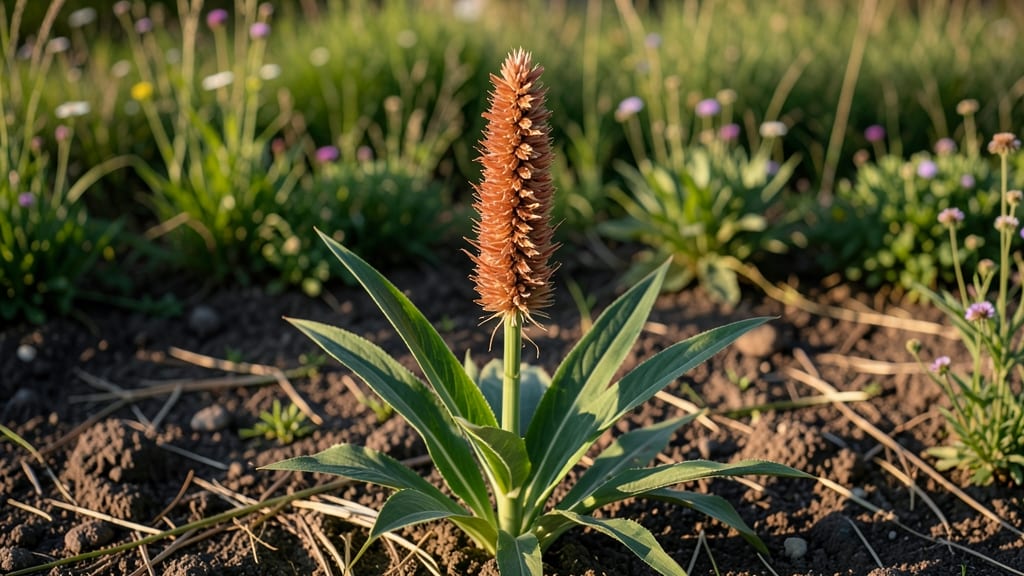
That towering sorghum seed head is nature’s own fragrant centerpiece. 🌾 I’ve learned the secret to drying and storing them properly—so you can bring next year’s garden the same dramatic beauty and sweet scent. The key lies in timing, airflow, and a little patience.
Harvest when the seed heads turn golden-brown and rattle with seeds inside. Cut the stalks early morning, bundle them upside-down in a dry, shaded spot, and let them cure for 2-3 weeks. Proper drying prevents mold and preserves that signature sorghum aroma.
Once fully dry, strip the seed heads and store them in breathable bags or hang them in bundles. They’ll stay fragrant for months, ready to add rustic charm to arrangements or next season’s garden. The process turns a summer staple into a year-round treasure.
Works for both ornamental varieties and grain sorghum—just adjust drying times based on humidity. Here’s how to do it without losing a single seed head’s magic.
📚 In This Guide
- What you need
- Instructions
- Tips and common mistakes
- Wrapping up and next steps
What you need
- ● Mature sorghum plants: Ensure they’ve fully dried on the stalk (seed heads should be crispy and golden-brown). Aim for at least 5–10 healthy plants for a good yield.
- ● Pruning shears or sharp scissors: Clean, sterilized tools to cut seed heads without damaging the stems.
- ● Brown paper bags or breathable mesh bags: 5–10 bags (one per seed head or cluster) to allow airflow and prevent mold.
- ● Drying rack or clean, dry surface: A flat tray, screen, or even a wooden board to lay seed heads out for drying.
- ● Labeling tags or markers: To note varieties (e.g., "Red Sunburst" or "Sweet Sorghum") if storing multiple types.
- ● Glove: Protects hands from prickly seed heads (nitrile gloves work well!).
- ● Fan or dehumidifier: Speeds up drying in humid climates.
- ● Food-safe storage containers: Airtight jars or containers with silica gel packets for long-term seed storage (e.g., quart-sized mason jars).
- ○ Seed viability kit: Tests moisture content (optional but handy for serious gardeners!).
- ● Dry weather: Harvest on a sunny, dry day (morning is ideal) to minimize moisture in seed heads.
- ● Patience: Seed heads need 2–4 weeks to fully dry indoors before storage.
- ● Cool, dark space: A basement, closet, or garage (keep temps between 50–70°F for optimal drying).
How to harvest, dry, and store sorghum seed heads
Here's the simple method I use to preserve sorghum seed heads for planting next season.
🌾 Step 1: Harvest at Peak Maturity
Wait until the seed heads turn a deep golden brown and the seeds rattle when you shake them gently. This usually happens about 4-6 weeks after flowering, depending on your climate. I like to harvest on a dry morning after the dew has evaporated—this prevents moisture from sticking to the seeds and causing mold later.
Use clean, sharp pruning shears to cut the entire seed head about 6 inches below the base. This extra stem length gives you more surface area to hang the heads for drying. Bundle 4-5 heads together with twine, leaving about 12 inches of stem exposed at the bottom for hanging.
☀️ Step 2: Dry Thoroughly in a Well-Ventilated Space
Find a dry, dark spot with good airflow—like a garage, basement, or covered porch. I avoid direct sunlight because it can overheat the seeds and reduce their viability. Hang the bundles upside down using the twine, spacing them about 12 inches apart to allow air circulation around each head.
Check weekly for dryness by gently squeezing a seed between your fingers. It should feel completely dry and crumbly with no moisture inside. If you see any signs of mold or dampness, move the bundle to a drier location immediately. Properly dried seed heads will take about 2-4 weeks, depending on your humidity levels.
✂️ Step 3: Clean and Remove Seeds from the Heads
Once fully dry, lay the seed heads on a clean tarp or sheet of newspaper. Use a small hand pruner or your fingers to strip the seeds from the stalks. I like to work in batches, focusing on one head at a time to avoid losing seeds. Place the seeds in a large bowl as you go—this makes it easier to sift through later.
Spread the seeds on a clean baking sheet and let them sit for another 24 hours to ensure any lingering moisture evaporates. Then, use a fine-mesh strainer or sifter to remove any chaff or debris. Store only the clean, dry seeds for planting.
🪴 Step 4: Store Seeds Properly for Next Season
Transfer the clean seeds to an airtight container, like a glass jar or sealed plastic bag. I label each container with the variety and date to keep track of freshness. Store the container in a cool, dark place—like a refrigerator or basement—where temperatures stay between 35-45°F.
Sorghum seeds remain viable for about 2-3 years under these conditions. Check the seeds annually for signs of moisture or pests. If you notice any issues, move them to a new container immediately to prevent spoilage. Properly stored seeds will be ready for planting next spring, giving you fragrant blooms year after year.
Tips & tricks for perfectly preserved sorghum seed heads
Real talk: Harvesting and storing sorghum seed heads correctly makes all the difference for next year's garden. Here's what I've learned after saving seeds for years.
Timing Secret: The 4-6 week window after flowering is critical—harvest too early and seeds won't be fully mature, too late and they'll shatter. I test by gently shaking the head: if seeds rattle loudly, they're ready. Morning harvests prevent dew from causing mold during drying. The 6-inch stem cut is key too—it gives you that extra surface area for even drying.
Drying Strategy: That 2-4 week drying period can feel long, but patience pays off. I've seen seed viability drop dramatically when people rush this step. If you're in a humid climate, consider using a small fan on low setting near your drying area to speed things up safely. And never skip the weekly dryness check—those crumbly seeds between your fingers are your best quality control.
Cleaning Hack: After removing seeds from the heads, I spread them on a baking sheet for that extra 24 hours. This final drying step prevents any hidden moisture that could cause mold in storage. Use a fine-mesh strainer to remove chaff—it's worth the extra effort to get perfectly clean seeds. I've saved hundreds of seeds this way that would have been lost otherwise.
Storage Wisdom: The 35-45°F range is non-negotiable for long-term viability. I keep my seed containers in the back of my refrigerator where it stays consistently cool. That 2-3 year viability window is only accurate if you maintain these conditions—any warmer and you risk losing germination rates. Labeling containers with dates helps track freshness, especially if you're saving multiple varieties.
Pro Tips for Sorghum Seed Head
- Real talk: Harvesting and storing sorghum seed heads correctly makes all the difference for next year's garden.
- Timing Secret: The 4-6 week window after flowering is critical—harvest too early and seeds won't be fully mature, too late and they'll shatter.
- Drying Strategy: That 2-4 week drying period can feel long, but patience pays off.
Frequently asked questions
Got questions about harvesting, storing, or troubleshooting your sorghum seed heads? You’re not alone! Here are some of the most common questions—and straightforward answers—to help you preserve those fragrant blooms for next year’s garden.
When is the best time to harvest sorghum seed heads?
Harvest seed heads when they’ve fully matured but before they shatter or fall apart. Look for dry, papery seed pods and a golden-brown hue. Late summer to early fall (typically 90–120 days after planting) is ideal. Cut stems with sharp shears, leaving a few inches of stalk for handling.
How long can I store sorghum seed heads before planting?
Properly dried and stored seed heads remain viable for 1–2 years in cool, dry conditions. Store them in a breathable paper bag or mesh sack in a dark, well-ventilated area (like a garage or pantry) with a humidity pack to prevent mold. Avoid plastic—it traps moisture and shortens shelf life.
Can I reuse last year’s seed heads for planting?
Sorghum is self-pollinating, so saved seeds will grow true to type. Just ensure they’re fully dry and free of pests or disease before storing. For variety consistency, mix seeds from multiple heads to reduce genetic drift. Pro tip: Label your seed packets with the harvest year!
What should I do if my seed heads attract pests?
Pests like weevils or rodents can damage stored seed heads. Prevent issues by:
- Inspecting heads before storage for eggs or larvae.
- Freezing seed heads for 48 hours to kill pests before drying.
- Using diatomaceous earth in storage containers as a natural deterrent.
Do I need to treat sorghum seed heads before storing?
No special treatment is required if your seed heads are clean and dry. However, you can optional steps like:
- Rinsing heads gently to remove debris.
- Drying them in a single layer under shade (avoid direct sun to prevent cracking).
- Lightly brushing off loose chaff before storage.
Wrapping up and next steps
Harvesting and storing sorghum seed heads is a rewarding way to ensure next year’s fragrant blooms while reducing waste. By following the right techniques—like proper drying, cleaning, and airtight storage—you’ll preserve their viability and even enjoy homegrown sorghum treats! 🌾
Ready to take the next step? Start small: Try harvesting a few seed heads this season, experiment with storage methods, and share your success with fellow gardeners. Your future garden—and maybe even your kitchen—will thank you!