
Lawn
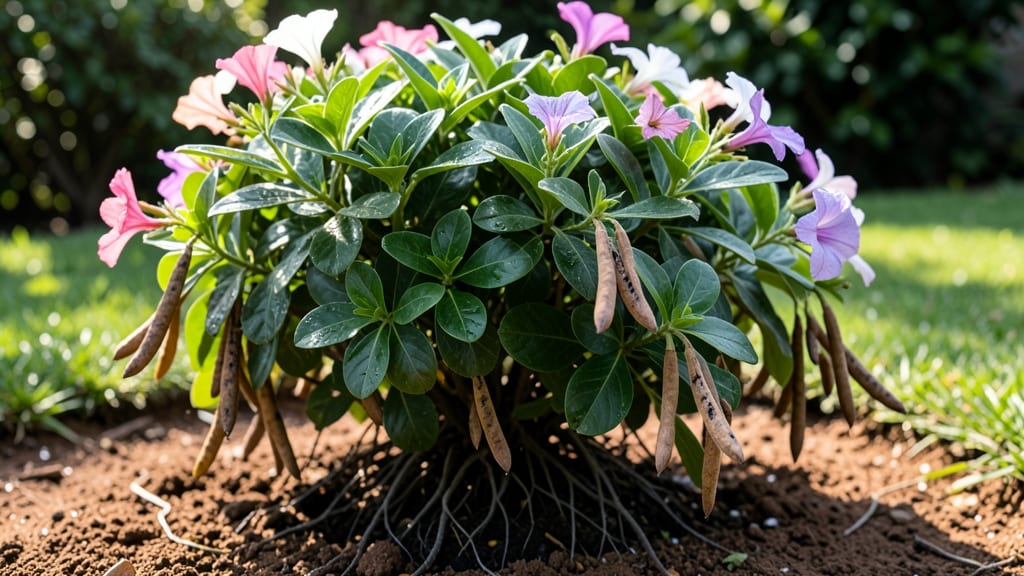
Harvesting vinca seed pods without the frustrating twist-and-pull struggle is the secret to reliable year-round propagation. 🌱 I’ve spent years wrestling with these stubborn pods—until I discovered the simple trick that makes seed collection effortless and ensures high germination rates.
The key lies in timing, technique, and a little patience that pays off with lush, self-sustaining vinca plants.
You’ll need just three things: sharp pruning shears, a paper bag for collection, and a sunny windowsill for drying. The real magic happens when you harvest pods at the right stage—when they’re plump but still green, not yet brown and brittle.
A quick twist (with the right grip!) releases the seeds cleanly, and within weeks, you’ll have fresh starts ready to replant or share.
What you end up with is a steady supply of vinca seedlings that thrive in containers, borders, or even tough urban spots. The plants stay vibrant all season, resist deer and drought, and multiply faster than store-bought starts.
Best of all, you’ll never again waste time on pods that refuse to open—or pay for plants that might not even survive your climate.
Works for both creeping myrtle and greater periwinkle varieties, and the same method applies whether you’re growing in full sun or partial shade. Here’s how to do it without the usual frustration.
📚 In This Guide
- What you need
- Instructions
- Tips and common mistakes
- Wrapping up and next steps
What you need
- ● Mature vinca plants (Catharanthus roseus) – Ensure pods are fully ripe (dry, brown, and slightly papery) for best results.
- ● Sharp pruning shears or scissors – A pair with bypass blades (to avoid crushing pods) for clean cuts.
- ● Brown paper bags or breathable seed envelopes – 2-3 bags (1 per harvest batch) to allow airflow and prevent mold.
- ● Drying tray or wire rack – A flat, elevated surface (like a baking sheet) to spread pods for 1-2 weeks of drying.
- ○ Fine-mesh strainer or sieve – #40 or finer mesh to separate seeds from chaff (optional but highly recommended).
- ● Small funnel – For transferring seeds into storage containers without spills.
- ● Air-tight seed storage containers – 2-4 small jars or envelopes with silica gel packets (to absorb moisture).
- ● Permanent marker – To label containers with date, variety (if applicable), and "Vinca Seeds".
- ● Gloves – If you’re sensitive to plant fibers or sap (vinca is generally mild but better safe!).
- ● Desiccant packets – Extra for long-term storage (beyond 1 year).
- ● Magnifying glass – For inspecting seeds for pests or damage before storage.
- ● Plant journal or notebook – To track germination rates and notes on growing conditions.
- ● Humidity monitor – If storing seeds in a basement or garage (ideal humidity: 30-40%).
How to harvest vinca seed pods without damaging the plant
Here's how to collect seeds from vinca plants without the usual messy twisting—keeping your plants healthy and your seeds viable.
🌿 Step 1: Identify Mature Seed Pods
Vinca seed pods turn from green to a papery brown when fully mature—this usually happens in late summer or early fall. Look for pods that feel dry to the touch and split open slightly at the seams. If you pick them too early, the seeds won't be fully developed, and if you wait too long, they'll scatter on their own.
I like to check my vinca plants every 3-4 days once the pods start changing color. The best time to harvest is in the morning after the dew has dried but before the heat of the day sets in. This keeps the pods from sticking together or falling apart in your hands.
✂️ Step 2: Cut Pods Cleanly at the Stem
Use clean, sharp pruning shears to snip each pod cleanly at the base where it meets the stem. Avoid twisting or pulling—the plant's stem is delicate, and rough handling can damage it or even uproot the plant. Cutting at a 45-degree angle helps water run off later, preventing rot.
Place the harvested pods in a paper bag or envelope immediately. I label each bag with the date and vinca variety if I'm growing multiple types. This prevents confusion later and helps track germination rates by harvest date.
🪴 Step 3: Dry and Store Seed Pods Properly
Spread the pods out on a clean, dry surface in a single layer. Let them dry for 1-2 weeks in a warm, dry, and well-ventilated area. A mesh bag or screen works well for airflow. You'll know they're fully dry when the pods rattle when shaken—this means the seeds inside are ready for storage.
Once completely dry, gently crush the pods between your fingers to release the seeds. Store them in a sealed envelope or small glass jar in a cool, dark place. Vinca seeds can stay viable for up to 5 years if stored properly, so there's no rush to plant them right away.
🌱 Step 4: Plant Seeds at the Right Time
Vinca seeds germinate best when sown directly in the garden in early spring or late summer. Scatter them lightly on the soil surface—don't bury them, as they need light to germinate. Press them gently into the top layer of soil and water lightly but thoroughly.
Keep the soil consistently moist until germination, which can take 2-4 weeks. You'll see tiny green sprouts emerge first, followed by the plant's characteristic glossy leaves. I like to use a humidity dome or plastic wrap over the seedlings for the first week to help them establish faster.
💧 Step 5: Maintain Seedlings for Healthy Growth
Once seedlings appear, remove the humidity cover and place them in a spot with bright, indirect light. Vinca plants thrive in full sun but can handle partial shade, especially in hotter climates. Water them when the top inch of soil feels dry to the touch—overwatering can lead to root rot.
Thin seedlings to 6-8 inches apart to give them room to grow. You'll know they're ready for transplanting when they have 2-3 sets of true leaves. Vinca plants are hardy and adaptable, so they'll reward you with beautiful, low-maintenance foliage for years to come.
Tips & tricks for harvesting vinca seed pods without damage
These little tricks will help you collect vinca seeds efficiently while keeping your plants thriving for next season.
Timing is Everything: I can't stress enough how important the 3-4 day check interval is once those pods start turning brown. This gives you the perfect window to harvest before they burst open naturally. I've learned the hard way—waiting too long means scattering seeds everywhere, and picking too early means underdeveloped seeds. The morning dew check is my secret weapon too; those damp pods are nearly impossible to handle cleanly.
Tool Selection Matters: While pruning shears are ideal, I've successfully used clean kitchen scissors in a pinch when I forgot mine. The key is always keeping your tools sharp—dull blades crush pods and damage stems. I keep a small bottle of rubbing alcohol handy to wipe down tools between uses, which prevents any potential disease transfer between plants. That 45-degree cut isn't just for looks—it really does help water run off properly and prevents rot at the stem.
Drying Strategy: The 1-2 week drying period is non-negotiable for seed viability, but I've found that spreading pods on a screen over a baking rack creates perfect airflow. Place this setup in a spot with indirect sunlight—direct sun can overheat and dry pods too quickly, which reduces germination rates. I test dryness by gently squeezing a pod; if it rattles like a maraca, it's ready. This simple test saves me from storing underripe seeds that won't germinate.
Storage Wisdom: While vinca seeds stay viable for years, I've noticed they germinate best when stored in paper envelopes rather than plastic. The paper allows for just enough moisture exchange to prevent mold while keeping seeds dry. I date each envelope and write the variety name—this has saved me from planting mixed batches that might have different growth characteristics. A cool basement corner works perfectly for long-term storage.
Pro Tips for Vinca Seed Pods
- These little tricks will help you collect vinca seeds efficiently while keeping your plants thriving for next season.
- Timing is Everything: I can't stress enough how important the 3-4 day check interval is once those pods start turning brown.
- Tool Selection Matters: While pruning shears are ideal, I've successfully used clean kitchen scissors in a pinch when I forgot mine.
Frequently asked questions
Got questions about harvesting vinca seed pods? You’re not alone!
Here are answers to the most common queries—from timing to troubleshooting—to help you master twist-free seed collection for year-round growing.
When is the best time to harvest vinca seed pods?
Harvest vinca seed pods when they turn light brown and start splitting open—usually late summer to early fall. Wait too long, and seeds may scatter; harvest too early, and they won’t be fully viable. Aim for dry but not brittle pods for the best results.
Why won’t my vinca seed pods open naturally?
If pods stay closed, they’re likely underripe. Try these fixes:
- Wait another 1-2 weeks—pods often open in warm, dry weather.
- Gently squeeze the pod (wear gloves!) to encourage splitting.
- Check for pests (like aphids) or disease, which can delay maturity.
Can I save vinca seeds from store-bought plants?
Yes! Store-bought vincas (like Catharanthus roseus) often produce viable seeds. Just ensure the plant is healthy and mature (at least 6 months old). Avoid hybrid varieties labeled “sterile”—they won’t yield seeds.
How do I store vinca seeds for next year?
Store seeds in a cool, dry place (like a paper envelope in the fridge) for up to 2 years. For longer storage, use a ziplock bag with a silica packet to prevent moisture. Label with the harvest date!
What if my vinca seeds don’t germinate?
Try these troubleshooting steps:
- Use fresh seeds (viability drops after 1 year).
- Soak seeds in warm water for 24 hours before planting.
- Plant in warm soil (70°F+)—vinca seeds need heat to sprout.
- Keep soil moist but not soggy; germination can take 2-4 weeks.
Wrapping up and next steps
Harvesting vinca seed pods doesn’t have to be a twisty, messy chore—with the right tools and techniques, you can collect viable seeds year-round while keeping your garden tidy! 🌱 Whether you’re a seasoned gardener or just starting out, these pods offer an easy way to propagate beautiful, low-maintenance plants.
Now that you’re equipped with the know-how, why not give it a try this season? Grab your gloves, snip those pods, and watch your vinca family grow effortlessly!
Pro tip: Share your newfound skills with fellow gardeners—you might inspire someone to start their own vinca collection! 🌟