
Lawn
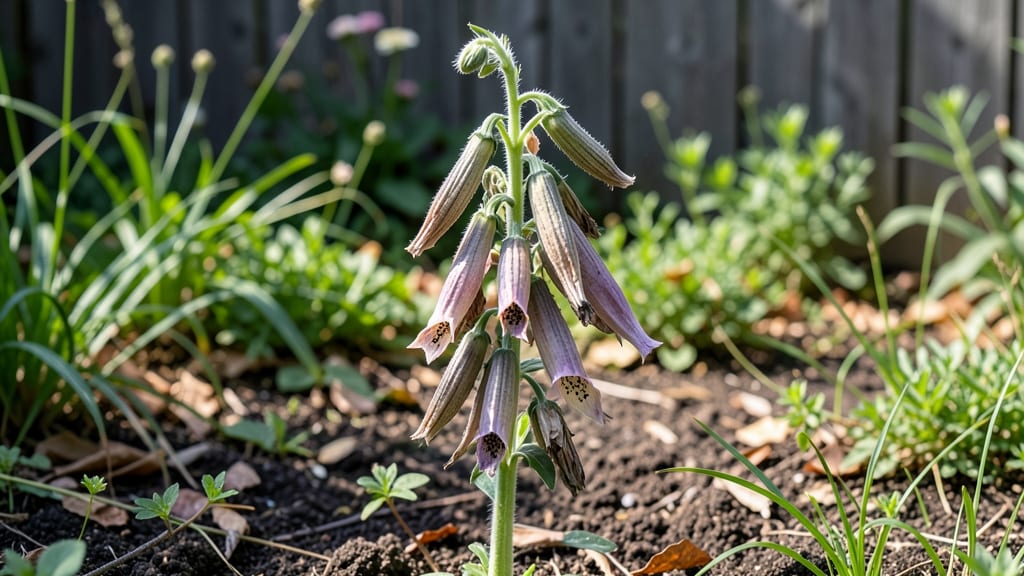
Harvesting foxglove seed pods before they twist open means saving seeds for next year's garden. ✨ The key is timing—wait until the pods turn brown and split slightly, but don’t let them crack wide open or the seeds scatter.
I’ve lost count of how many times I’ve missed this window, but now I mark my calendar for late summer when the pods are ready.
Once harvested, let the pods dry completely in a well-ventilated spot for 2-3 weeks. After they’re crisp, gently rub them between your fingers to release the seeds—no need for force, just patience.
Store the seeds in a paper envelope in a cool, dry place, and they’ll stay viable for 2-3 years. My first batch from last year still germinated like new this spring.
Sowing foxglove seeds is where the magic happens. Start them indoors in early spring, barely covering them with soil, since they need light to germinate. Keep the soil moist (not soggy) and warm—70°F is ideal.
Germination can take 2-4 weeks, but once those first green shoots appear, you’ll know it was worth the wait.
Seedlings need bright, indirect light at first, then gradually introduce them to full sun. They’re slow growers, so don’t rush—foxglove rewards patience with tall, dramatic blooms that’ll steal the show in your garden.
And if you’re wondering why your pods keep twisting too soon, it’s usually because they’re too dry or too wet—balance is everything.
📚 In This Guide
- What you need
- Instructions
- Tips and common mistakes
- Wrapping up and next steps
What you need
- ● Foxglove plants (Digitalis spp.) – Mature plants with fully developed seed pods (preferably Digitalis purpurea or Digitalis grandiflora). Aim for at least 3–5 healthy plants for a decent seed yield.
- ● Pruning shears or garden scissors – Sharp, clean tools to snip pods without crushing them. Sterilize with rubbing alcohol to prevent disease spread.
- ● Paper bags or breathable mesh sacks – 1–2 bags per plant to dry pods naturally. Avoid plastic; it traps moisture!
- ● Labeling tags & permanent marker – To mark varieties and harvest dates. Pro tip: 🎯 Use waterproof labels for outdoor drying!
- ○ Glove (optional but recommended) – Protects hands from Digitalis’s mild skin irritation.
- ○ Twist-resistant tool (optional) – A seed pod cracker or sturdy pair of pliers to gently pry open stubborn pods.
- ○ Air-tight glass jars or seed envelopes – For long-term storage. Mylar bags with oxygen absorbers (optional) extend shelf life.
- ○ Silica gel packets (optional) – To absorb excess moisture in sealed containers.
- ● Desiccant (e.g., rice or silica sand) – A thin layer in storage containers prevents mold.
- ● Notebook or digital tracker – To log harvest dates, pod maturity, and storage conditions.
How to harvest foxglove seed pods without breaking them
Here's how I collect and store foxglove seeds—no stubborn twisting required.
🌿 Step 1: Identify Mature Seed Pods
Wait until the pods turn a dry, papery brown and split open naturally along one side—that's your signal they're ready. I check plants in late summer, running my fingers along the stems to feel for the telltale dryness. Green or partially open pods won't yield viable seeds, so patience here pays off.
Look for pods that have already begun splitting—these release seeds most easily. If you harvest too early, the seeds inside won't have fully matured. A good pod feels light when shaken, like it's filled with tiny paper packets rather than moist, heavy contents.
✂️ Step 2: Cut Pods at the Right Time
Use clean pruning shears to snip the entire stem section with pods still attached. I cut about 2 inches below the lowest pod to include the stem's natural drying point. This prevents the pods from splitting open prematurely during transport, which ruins the seeds inside.
Work on a dry day when humidity is low—foxglove seeds are sensitive to moisture after harvest. Lay the cut stems in a single layer on newspaper or paper towels to air-dry for 24 hours. This initial drying prevents mold from forming when you later store the seeds.
🪴 Step 3: Extract Seeds Without Twisting
After the stems dry, gently rub the pods between your palms to release seeds. I do this over a clean white sheet of paper so I can spot any seeds that might fall. Never twist or squeeze the pods—foxglove seeds are delicate and will shatter if forced.
For stubborn pods, place them in a paper bag and shake gently. The seeds will fall out naturally while the bag catches any that might bounce away. This method preserves seed viability better than twisting, which can damage the seed coats and reduce germination rates.
⏰ Step 4: Store Seeds for Long-Term Viability
Once extracted, spread seeds on a screen or paper towel in a single layer. Let them dry for another 24 hours in a warm, dry place. This final drying step is critical—moisture is the enemy of long-term seed storage.
Transfer dried seeds to a labeled envelope or small jar with a desiccant packet. Store in a cool, dark place like a refrigerator. Foxglove seeds can remain viable for years this way, ready for spring planting. I always label my envelopes with the harvest date to track aging.
Tips & tricks for perfect foxglove seed collection
These simple strategies will help you harvest and store foxglove seeds like a pro—without the frustration.
Timing is Everything: The 24-hour drying time between cutting and seed extraction is non-negotiable. I've learned this the hard way—rushing this step leads to moldy seeds that won't germinate. Place your stems in a well-ventilated area with a small fan on low to speed up drying while preventing moisture buildup.
Storage Wisdom: For long-term viability, I triple-seal my seed envelopes with clear packing tape before adding desiccant packets. This extra barrier prevents any moisture from sneaking in during storage. Label each envelope with both the harvest date and variety if you're working with multiple types—this saves headaches when planning next year's garden.
Visual Cues for Maturity: In Step 1, look for pods that have split open naturally along one side—they should look like they've been gently unzipped. If you see seeds already spilling out, harvest immediately! These pods release seeds most easily, while fully closed pods may require more force. A good test: tap a mature pod against your palm—if seeds rattle inside, it's ready.
Equipment Upgrade: Consider using a small mesh screen instead of paper towels for the final drying stage. The increased airflow helps seeds dry more evenly and quickly. Place the screen in a warm, dark closet or over a radiator (not direct heat) for those final 24 hours. This method reduces the risk of uneven drying that can occur on flat surfaces.
Pro Tips for Foxglove Seed Pods
- These simple strategies will help you harvest and store foxglove seeds like a pro—without the frustration.
- Timing is Everything: The 24-hour drying time between cutting and seed extraction is non-negotiable. I've learned thi...
- Storage Wisdom: For long-term viability, I triple-seal my seed envelopes with clear packing tape before adding desicc...
Frequently asked questions
Got questions about harvesting, storing, or growing foxglove seed pods?
Here are the answers to the most common queries—from timing to troubleshooting—so you can master the process like a pro!
When is the best time to harvest foxglove seed pods?
Harvest seed pods after they’ve turned brown and split open (usually late summer to early fall). Wait until the seeds inside are fully mature but haven’t scattered yet. Early harvesting risks immature seeds, while waiting too long means they’ll disperse naturally. Aim for a dry, sunny day to avoid moisture issues.
How do I store foxglove seeds long-term without them germinating too soon?
Store seeds in a cool, dry place (like a paper envelope in the fridge) for up to 6 months. For longer storage, dry them completely, then refrigerate in an airtight container with silica gel packets. Never freeze—foxglove seeds are sensitive to extreme cold. Test viability by planting a few in spring before committing to a full batch!
Are foxglove seed pods toxic, even when dried?
Yes!
All parts of foxglove—including dried pods and seeds—contain digitalis, a cardiac glycoside toxic to humans and pets. Wear gloves when handling, and store seeds out of reach of children and animals. If accidental ingestion occurs, contact poison control immediately.
What if my foxglove seed pods won’t open naturally?
If pods stay closed, they may need help drying. Gently twist them off the stem and hang them upside down in a dry, shaded spot (like a mesh bag) for 2–3 weeks. Avoid direct sunlight, which can cause them to crack prematurely. If pods resist, they might be immature—wait a few more weeks before trying again.
Can I grow foxglove from seed pods the same year I harvest them?
Freshly harvested foxglove seeds often need cold stratification (mimicking winter) to germinate. Plant them in fall or refrigerate moist seeds in a sealed bag for 4–6 weeks before sowing. Spring planting works too, but germination rates may drop. Pro tip: Mix seeds with damp sand for even moisture during stratification!
What’s the difference between foxglove seed pods and other garden seed pods?
Foxglove pods are distinctive: tall, slender, and twisting when mature, with a zigzag pattern. Unlike poppies or snapdragons, they don’t explode to release seeds—you’ll need to harvest them manually. Compare them to lupine or delphinium pods, which also twist but lack foxglove’s iconic bell-shaped flowers.
Wrapping up and next steps
Harvesting foxglove seed pods with care ensures a steady supply of seeds for year-round gardening—whether you're reviving old favorites or experimenting with new varieties! 🌱 The key lies in timing (waiting for pods to split naturally) and gentle handling (avoiding moisture or rough storage).
With the right tools and techniques, you’ll unlock a world of easy propagation and stunning garden displays.
Ready to put your new skills to work? Start small: try storing just a few pods this season, then expand as you gain confidence. Happy harvesting—and may your garden bloom with foxglove magic next year! 🌿✨