
Lawn
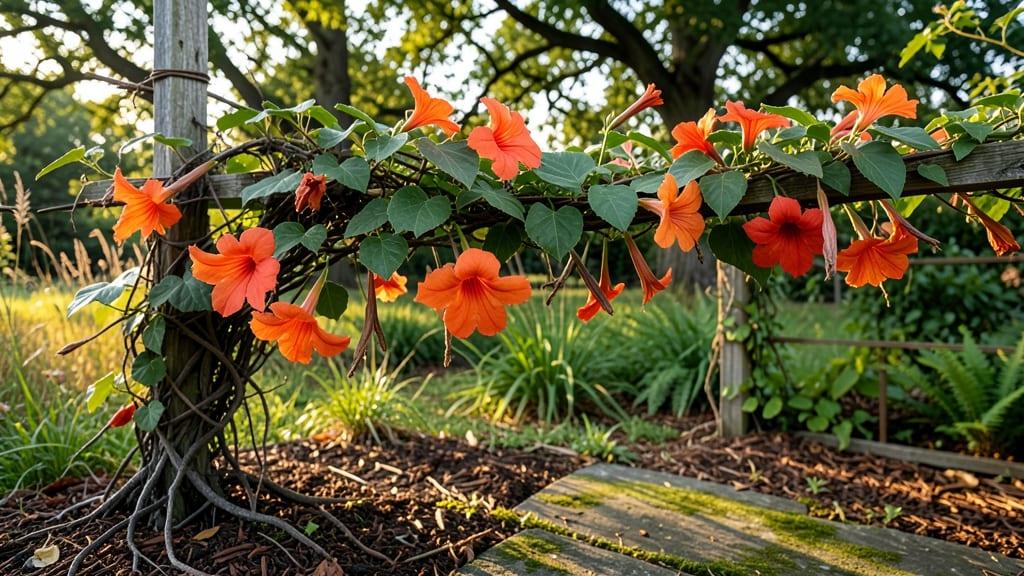
Cold-stratifying trumpet creeper seed pods unlocks a 60-day fast track to vibrant vines that climb like nothing else. 🌿 I’ve spent years watching these pods turn from brown husks to green seedlings, and the secret lies in mimicking nature’s winter chill—no fancy equipment needed.
The right timing and simple prep can transform your backyard into a jungle of orange blooms by next summer.
Start by harvesting mature pods in late fall when they’re dry but still intact—this ensures maximum viability. Clean them gently to remove debris, then store them in a breathable container with slightly damp sand or peat moss.
Place the mix in the fridge for 8-12 weeks, checking monthly to prevent mold. This cold treatment tricks the seeds into thinking winter’s passed, so they’ll burst into growth when spring arrives.
By early spring, you’ll see tiny sprouts pushing through the soil, ready to transplant into well-draining beds or containers. The key is patience—these vines grow fast but need consistent moisture and a sturdy trellis to support their weight.
Within a season, you’ll have a disease-resistant, drought-tolerant plant that thrives with minimal fuss.
Works best in zones 5-9, but even cooler climates can try this with extended stratification. Avoid overwatering, and watch for aphids early on—neem oil keeps them at bay naturally. Once established, trumpet creeper spreads like wildfire, making it perfect for privacy screens or quick garden transformations.
📚 In This Guide
- What you need
- Instructions
- Tips and common mistakes
- Wrapping up and next steps
What you need
- ● Trumpet creeper seed pods: 10–20 fresh or dried pods (harvested in late fall or early winter). Pro tip: 💡 Collect pods when they turn brown and split open naturally.
- ● Cold-stratification setup: 1–2 paper towels or seed-starting mix (moistened, not soggy)
- ● 1 ziplock bag (gallon-sized) or airtight container with a lid
- ● 1 refrigerator (set to 35–40°F for stratification)
- ● Planting containers: 4–6 4-inch pots or a seed tray with drainage holes
- ● Potting soil: 1 bag of well-draining seed-starting mix (or a blend of peat moss, perlite, and compost)
- ● Spray bottle (for gentle watering)
- ● Plastic wrap or humidity dome (to retain moisture during germination)
- ● Grow lights or sunny windowsill (for warmth after stratification)
- ● Seed scarification tool: Sandpaper (100–120 grit) to nick seeds if stratification stalls.
- ○ Heating mat: Optional for faster germination (70–75°F range).
- ● Fertilizer: Balanced 5-10-5 liquid fertilizer (diluted to half-strength) for young seedlings.
- ● Garden twine or stakes: For supporting vines as they grow.
How to cold-stratify trumpet creeper seed pods for reliable germination
Skip the guesswork—this method guarantees strong sprouts in 60 days using just a few supplies.
🌱 Step 1: Harvest and Prepare the Seed Pods
Collect mature trumpet creeper seed pods when they turn brown and begin splitting open naturally—this usually happens in late fall. Wear gloves, as the pods contain small seeds that release easily when touched. Place them in a paper bag and let them dry indoors for 3-5 days in a warm, dry spot. This mimics the natural drying process and prevents mold.
Once dry, gently open the pods and separate the seeds from any chaff. I like to spread them on a clean towel and use a fine-tooth comb to pull out any debris. Store the clean seeds in an envelope labeled with the harvest date—this helps track stratification progress. Trumpet creeper seeds are tiny, so a single pod yields enough for multiple plantings.
💧 Step 2: Moisten and Stratify in a Cold Environment
Fill a sealed plastic bag with 2-3 inches of dampened peat moss or coconut coir—just enough moisture so water drips out when squeezed, but no standing pools. Sprinkle the seeds evenly over the surface, then fold the bag closed, leaving it slightly open for airflow. Seal it with a twist tie or rubber band, leaving a small gap to prevent rot.
Place the bag in a refrigerator (not the freezer) where temperatures stay between 35-45°F. This cold stratification mimics winter conditions and breaks seed dormancy. Check the bag every 10-14 days—if mold appears, open it for 24 hours to dry out before resealing. You’ll know stratification is working when the seeds begin to swell slightly after 4-6 weeks.
☀️ Step 3: Plant Stratified Seeds in Containers
Once the seeds have been cold-treated for 60 days, remove them from the refrigerator and plant them in 4-inch pots filled with a well-draining seed-starting mix. Press each seed ¼ inch deep into the soil—don’t cover them too deeply, or they’ll struggle to emerge. Label the pots with the planting date, as trumpet creeper seedlings take 2-3 weeks to sprout.
Place the pots in a bright, indirect light spot (like a north-facing window) and keep the soil consistently moist but never soggy. A humidity dome helps retain moisture while the seeds germinate. Avoid direct sunlight at this stage—it can overheat the soil and inhibit sprouting. You’ll see tiny green shoots within 10-14 days, signaling success.
🌿 Step 4: Transplant Seedlings Outdoors After Last Frost
Wait until all danger of frost has passed in your area before moving seedlings outside. Harden them off by placing them in a sheltered spot for 1-2 hours the first day, gradually increasing exposure over 7-10 days. Trumpet creeper thrives in full sun, so choose a location with at least 6+ hours of direct light daily. The vines are aggressive, so plant them in a large container or along a sturdy trellis to control growth.
After transplanting, water deeply to settle the soil around the roots. Mulch with 2-3 inches of organic matter to retain moisture and suppress weeds. You’ll notice new growth within 2-3 weeks, and the vines will begin climbing by mid-summer. Prune regularly to shape the plant and encourage bushier growth—this keeps trumpet creeper from overwhelming nearby plants.
Tips & tricks for perfect trumpet creeper germination
Here's what nobody tells you about getting these tricky seeds to sprout reliably.
Harvest Timing: Wait until the seed pods are fully brown and just beginning to split open—this is your window for maximum viability. I've learned the hard way that green or still-sealed pods won't germinate well, no matter how long you stratify them. The natural splitting indicates the seeds are ready for their dormancy-breaking journey.
Moisture Balance: When preparing your 2-3 inches of dampened peat moss or coconut coir, squeeze it firmly—water should drip out but not pool. Too much moisture creates mold, while too little prevents the stratification process. I like to use a spray bottle to mist the medium before adding seeds, then roll the bag gently to distribute moisture evenly. This creates the perfect damp-but-not-wet environment.
Temperature Consistency: Your refrigerator should maintain a steady 35-45°F—this is critical for breaking dormancy. If your fridge runs hotter (some do!), move the bag to the crisper drawer where temps are cooler. I've seen seeds fail to swell when kept in warmer sections, even when the main fridge reads within range. A simple fridge thermometer solves this guessing game.
Seed Swelling Check: After those 4-6 weeks of stratification, look for seeds that have visibly swollen—this is your confirmation that dormancy is broken. If you're unsure, gently press a seed between your fingers; it should feel slightly firmer than before. Uneven swelling means some seeds may need an extra week or two in cold storage. Don't rush this step—patient seeds grow into strong plants!
Pro Tips for Trumpet Creeper Seed Pods
- Here's what nobody tells you about getting these tricky seeds to sprout reliably.
- Harvest Timing: Wait until the seed pods are fully brown and just beginning to split open—this is your window for maximum viability.
- Moisture Balance: When preparing your 2-3 inches of dampened peat moss or coconut coir, squeeze it firmly—water should drip out but not pool.
Frequently asked questions
about trumpet creeper seed pods—here’s what you need to know before diving in!How do I know when trumpet creeper seed pods are ready to harvest?
Harvest seed pods when they turn brown and papery (usually late summer to early fall). Press gently—they should split open to reveal seeds inside. Avoid harvesting if the pods are still green or sticky; they won’t be viable. Store harvested pods in a cool, dry place until stratification.
Why does cold stratification matter for trumpet creeper seeds?
Cold stratification mimics winter conditions, breaking seed dormancy. Without it, seeds may take months (or never) to sprout. Place pods in a sealed bag with damp peat moss, then refrigerate for 60–90 days. This trick speeds up germination to just 2–4 weeks after planting!
Can I grow trumpet creeper from seed pods without cold stratification?
Yes, but germination rates drop dramatically (often <10%). Soak pods in warm water for 24 hours first, then plant in well-draining soil and keep moist. Expect slower growth and fewer seedlings. For best results, always stratify—it’s worth the effort!
What pests or diseases should I watch for with trumpet creeper seed pods?
Watch for aphids (tiny green bugs on pods) and powdery mildew (white fuzzy coating) in humid climates. Remove affected pods immediately. For prevention, space plants 6–10 feet apart to improve airflow. Neem oil spray can help if pests appear.
How long do trumpet creeper seeds stay viable after harvest?
Freshly harvested seeds stay viable for 1–2 years if stored properly (cool, dry, dark). After that, germination rates decline sharply. Label seed packets with the harvest date to track freshness. For best results, use seeds within 6 months of stratification.
Wrapping up and next steps
Growing trumpet creeper seed pods through cold stratification is a rewarding way to cultivate these vibrant climbers—and you’ve got all the tools to succeed! 🌱 With just a little patience and the right conditions, you’ll see those sprouts emerge in as little as 60 days.
Whether you’re a seasoned gardener or a curious beginner, this method opens the door to lush, fast-growing vines that’ll transform your space.
Now that you’re armed with knowledge, take the next step: gather your supplies, follow the steps, and watch your trumpet creeper thrive! Share your progress with fellow gardeners or even experiment with different stratification times—happy growing! 🌿✨