
Planting
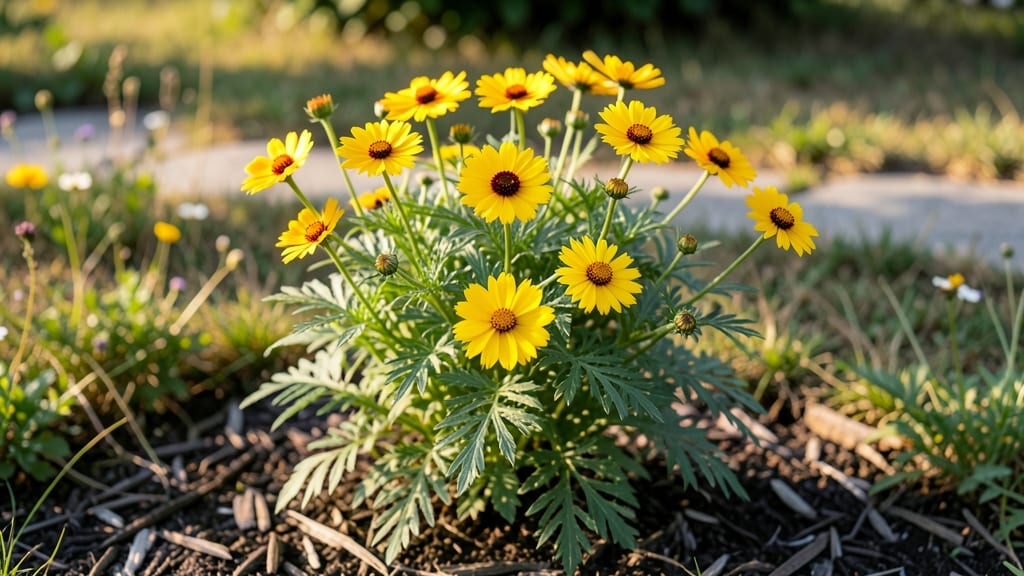
Tickseed plant care turns my garden into a sunburst of cheerful yellow and pink blooms with almost no effort. 🌻 These drought-tolerant perennials thrive in poor soil, need minimal watering, and keep blooming from spring until frost—making them the perfect plant for gardeners who want beauty without the fuss. The secret lies in their resilience: they handle neglect better than most perennials, yet reward even basic care with vibrant color and pollinator-friendly flowers.
Start with well-draining soil (they hate soggy roots) and full sun—at least six hours daily—for the best results. Water only when the top inch of soil feels dry, and you’ll avoid the most common mistake: overwatering, which causes yellow leaves and leggy growth.
A light fertilizer in early spring gives them a boost, but tickseeds are happy with neglect too. Prune back spent blooms in late summer to encourage fresh flowers until fall.
What you’ll end up with is a plant that multiplies happily over time, filling gaps in borders or brightening containers with almost no maintenance. The blooms attract butterflies and bees, and their airy stems add texture to any garden.
Even in my driest summer, these plants stay perky while others wilt.
They’re perfect for beginners, busy gardeners, or anyone who wants a reliable, low-fuss perennial. Once established, tickseeds handle drought, poor soil, and even deer browsing better than most plants. Here’s how to keep them thriving year after year—without the stress.
📚 In This Guide
- What you need
- Instructions
- Tips and common mistakes
- Wrapping up and next steps
What you need
- ● Tickseed seeds or nursery starts: Choose from varieties like Coreopsis verticillata (threadleaf) or Coreopsis grandiflora (largeflower). Buy 10–20 seeds for a full patch or 3–5 plants for potted displays.
- ● Well-draining potting mix or garden soil: 5–10 gallons (or enough to fill containers 6–12 inches deep). Mix in 1 part perlite or sand per 3 parts soil for optimal drainage.
- ○ Containers (optional for potted growth): 5–7 inch pots for seedlings (use 3–5 per pot for bushier growth).
- ● 12–18 inch pots or garden beds for mature plants (ensure 6+ inches of depth).
- ● Sunlight access: A spot with 6+ hours of full sun daily (partial shade tolerates 4–6 hours but may reduce blooms).
- ● Watering can or hose with a gentle spray nozzle: 1–2 gallons of water per plant during dry spells.
- ○ Fertilizer (optional but helpful): A balanced, slow-release granular fertilizer (10-10-10) or compost (mix 1 cup per 5 sq ft into soil at planting).
- ● Liquid bloom booster (e.g., fish emulsion) once monthly during growing season.
- ● Garden gloves (to protect hands from prickly stems).
- ● Trowel or small shovel (for transplanting seedlings).
- ● Pruning shears (to trim spent blooms and encourage regrowth).
- ○ Mulch (optional): 2–3 inches of shredded bark or straw to retain moisture and suppress weeds.
- ● Plant labels (to track varieties if growing multiple types).
Step-by-step instructions for growing thriving tickseed plants
Here's how to coax vibrant, low-maintenance tickseed into a nonstop flowering powerhouse.
🌱 Step 1: Choose the Perfect Light and Soil Spot
Tickseed loves full sun—at least 6-8 hours daily—so pick a south-facing window or a bright, sunny patio. If you're growing indoors, a south or west exposure works best. The plant tolerates some shade but will bloom less vigorously in low light.
Use well-draining soil—tickseed hates soggy roots. A mix of potting soil and perlite (or sand) in a 3:1 ratio works perfectly. If planting outdoors, amend heavy clay soil with compost to improve drainage. The ideal soil pH is slightly acidic to neutral, between 6.0 and 7.0.
💧 Step 2: Water Wisely to Keep Blooms Coming
Water tickseed when the top inch of soil feels dry—this plant is drought-tolerant once established, so don’t overwater. Stick your finger in the soil; if it’s damp, wait another day. Overwatering causes root rot, which can kill the plant quickly.
Water deeply but infrequently—aim for 1-2 times per week in summer, less in winter. The plant’s thick, fleshy stems store water, so it can handle dry spells. You’ll know you’re watering right when the leaves stay plump and green, not droopy or yellowing.
☀️ Step 3: Feed Lightly for Long-Lasting Blooms
Tickseed isn’t a heavy feeder, but a little fertilizer keeps it blooming all year. Use a balanced, water-soluble fertilizer (10-10-10 or 20-20-20) diluted to half strength every 4-6 weeks during spring and summer. Skip fertilizer in fall and winter—too much can burn roots when growth slows.
For organic options, mix a slow-release granular fertilizer into the soil at planting time. You’ll see the difference in 2-3 weeks: brighter flowers, bushier growth, and fewer gaps between blooms. If leaves turn yellow, that’s a sign of over-fertilizing—flush the soil with water immediately.
✂️ Step 4: Prune and Deadhead for Nonstop Color
Pinch back leggy stems in early spring to encourage bushier growth. Use clean, sharp scissors to trim just above a set of leaves. This step is key—if you skip it, the plant can get woody and sparse. You’ll notice new side shoots forming within 2-3 weeks.
Deadhead spent flowers regularly—snip them off at the base with your fingers or scissors. This prevents seed formation and redirects the plant’s energy into producing more blooms. You’ll see a surge in new flowers within 1-2 weeks of consistent deadheading. If you ignore this, the plant will focus on seeds instead of blooms.
🪴 Step 5: Protect and Repot as Needed
Tickseed thrives in containers or garden beds, but if growing in pots, choose ones with drainage holes. Repot every 2-3 years or when roots circle the pot. Spring is the best time—before new growth starts. Gently tease apart roots if they’re root-bound before repotting.
Watch for pests like aphids or spider mites, especially in dry conditions. Wipe leaves with a damp cloth or spray with water to deter them. If you see sticky residue on leaves, treat with insecticidal soap. The plant is tough but will reward your care with year-round blooms if you keep it healthy.
Tips & tricks for perfect tickseed plant care
These little-known tricks will transform your tickseed into a blooming machine with almost no effort.
Light Optimization: If your tickseed isn't getting enough sun, try rotating the pot every few days so all sides get equal exposure. For indoor plants, supplement with a grow light for 4-6 hours daily during winter months. I've seen plants that doubled their bloom production just by adding 2 extra hours of light—it's that sensitive to light consistency!
Soil Secret: The 3:1 potting soil to perlite mix is perfect, but for extra drainage, add a handful of coarse sand or even small pebbles to the bottom of the pot before adding soil. This creates an air pocket that prevents water from sitting at the roots. I learned this after losing two plants to root rot—never again!
Pruning Timing: Early spring is the absolute best time for that pinch-back pruning. Look for stems that are about 4-6 inches long and have at least 3 sets of leaves. You'll see new growth within 2-3 weeks, and the plant will fill out much bushier than if you wait until summer. Trust me on this!
Fertilizer Strategy: When you're using that diluted 10-10-10 fertilizer every 4-6 weeks, apply it to damp soil right after watering. This helps prevent root burn from the concentrated nutrients. And here's a pro move: alternate between water-soluble fertilizer and a seaweed-based liquid fertilizer every other feeding for even better results.
Pro Tips for Tickseed Plant Care
- These little-known tricks will transform your tickseed into a blooming machine with almost no effort.
- Light Optimization: If your tickseed isn't getting enough sun, try rotating the pot every few days so all sides get e...
- Soil Secret: The 3:1 potting soil to perlite mix is perfect, but for extra drainage, add a handful of coarse sand or ...
Frequently asked questions
Got questions about keeping your tickseed plant (Coreopsis) happy and blooming? You’re not alone! Here are some of the most common queries—plus quick, no-fuss answers to help you troubleshoot like a pro.
How often should I water my tickseed plant?
Water your tickseed plant when the top 1–2 inches of soil feel dry to the touch. These drought-tolerant beauties thrive on infrequent but deep watering—aim for about once a week (adjust for heatwaves or clay soil). Overwatering is the #1 killer, so let the soil dry out between sessions. Pro tip: Well-draining pots or garden beds prevent soggy roots!
When is the best time to plant tickseed outdoors?
Plant tickseed in early spring (after the last frost) or late summer (6–8 weeks before the first frost). They’re cold-hardy in USDA zones 3–11, but avoid planting in sweltering summer heat—young plants may struggle. For container growing, start seeds indoors 6–8 weeks before the last frost for a head start.
Why aren’t my tickseed flowers opening?
Blooms might stay closed due to shade, overcrowding, or poor soil. Move your plant to a sunnier spot (6+ hours of light daily), thin out overgrown foliage, and fertilize lightly with a balanced 10-10-10 mix. Deadheading spent blooms encourages more flowers! If pests like aphids are present, spray with soapy water or neem oil.
Can tickseed grow in containers, and what size pot do I need?
Tickseed thrives in containers with at least 12-inch-deep pots (bigger = better for stability). Use fast-draining soil (add perlite or sand) and ensure pots have drainage holes. For bushier growth, prune back by ⅓ after flowering. Bonus: Container plants can be moved indoors during harsh winters (they’re tender perennials in cold climates).
What’s a good alternative if tickseed doesn’t bloom for me?
If tickseed proves finicky, try these low-maintenance, long-blooming alternatives:
- Black-eyed Susan (Rudbeckia): Drought-tolerant, similar care, and thrives in poor soil.
- Zinnia (Zinnia elegans): Fast-growing annual with vibrant blooms; loves heat.
- Coneflower (Echinacea): Perennial, pollinator-friendly, and handles neglect like a champ.
Quick Troubleshooting Table
| Issue | Likely Cause | Fix It! |
|---|---|---|
| Yellow leaves | Overwatering or poor drainage | Let soil dry out; repot with better drainage. |
| Leggy stems | Not enough light | Move to sunnier spot; prune to encourage bushiness. |
| No blooms | Over-fertilizing or shade | Reduce fertilizer; deadhead spent flowers. |
| Pests (aphids, spider mites) | Dry conditions or stress | Spray with soapy water; increase humidity. |
Wrapping up and next steps
Caring for a tickseed plant is a breeze—whether you're a seasoned gardener or just starting out! With its low-maintenance needs, vibrant blooms, and resilience, this beauty rewards you with year-round color and charm. All it takes is a little sun, well-draining soil, and occasional love to keep it thriving.
Now that you’re armed with the know-how, why not give it a try? Grab your tickseed seeds or cuttings, pick a sunny spot, and watch your garden transform into a cheerful, low-fuss paradise. Happy planting! 🌸