
Lawn
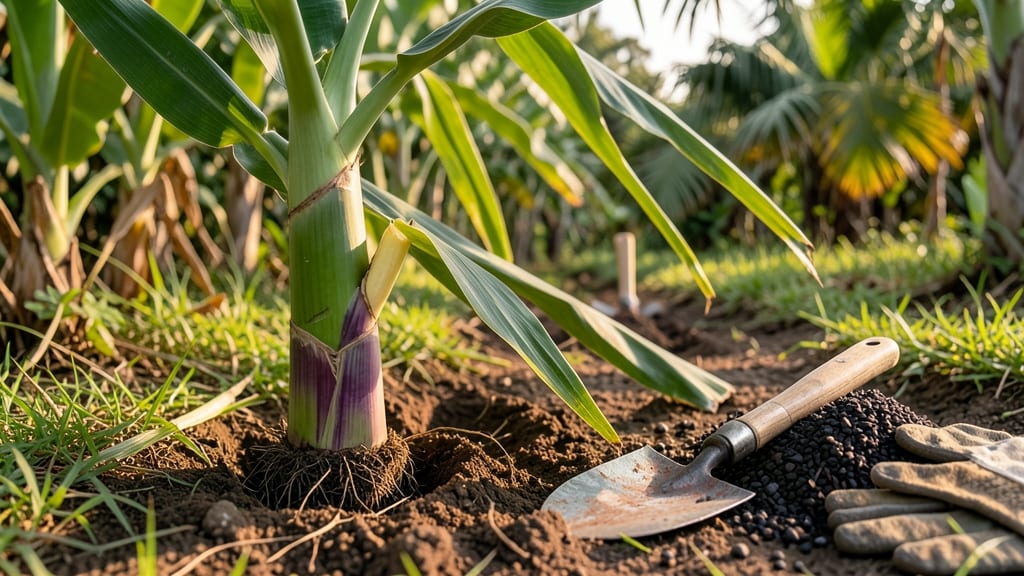
Growing sugarcane from seed cane means sweet rewards with minimal fuss. 🌱 I’ve propagated my own cane for years, and the process is simpler than most gardeners think—no fancy equipment, just patience and the right technique.
The key is starting with healthy, mature cane and giving it the warmth and moisture it craves. You’ll need just a few supplies: sharp pruners, a sunny spot with well-draining soil, and a way to keep the roots consistently damp.
Unlike many tropical plants, sugarcane thrives in heat and humidity, making it perfect for zones 10-12—but even cooler climates can grow it in containers. With the right prep, you’ll see shoots emerge in just 2-3 weeks, and harvests within 12 months.
The payoff? Fresh, crunchy stalks year-round, perfect for juicing or chewing. My plants produce 3-4 harvests annually, and the process gets easier each time. No more store-bought cane—just your own homegrown sweetness. Works for beginners or experienced growers, whether you’re planting in the ground or containers.
Let’s get those stalks growing!
📚 In This Guide
- What you need
- Instructions
- Tips and common mistakes
- Wrapping up and next steps
What you need
- ● Sugarcane seed cane: 5–10 healthy, disease-free stalks (1–2 ft long, with at least 2–3 buds per stalk). Pro tip: 💡 Choose stalks from mature, vigorous plants for best results!
- ● Growing medium: Potting mix: 1–2 bags (12–18 qt) of well-draining, fertile soil (e.g., 60% peat moss, 30% perlite, 10% compost).
- ● Outdoor beds: Loamy soil amended with 2–3 lbs of compost per 10 sq ft. Test soil pH (ideal: 5.5–7.0).
- ○ Containers (optional for indoor/early growth): 5–10 gallon pots (6–8 inches deep) with drainage holes.
- ● Watering supplies: Watering can or hose with a gentle spray nozzle.
- ● Misting bottle (for humidity control in early stages).
- ● Planting tools: Trowel or small shovel.
- ● Pruners (sterilized with rubbing alcohol).
- ● Fertilizer: Balanced fertilizer (10-10-10 or 20-20-20) for planting (1 tbsp per stalk).
- ● Slow-release organic fertilizer (e.g., compost tea or worm castings) for ongoing growth.
- ● Climate: Warm, tropical/subtropical zones (USDA Hardiness Zones 9–11). Cold-sensitive! 🌡️ Use row covers or greenhouses in cooler areas.
- ● Sunlight: Full sun (6–8+ hours daily). Partial shade may reduce yield.
- ● Water source: Reliable access to water (sugarcane loves moisture but hates waterlogged roots!).
- ● Mulch (straw or wood chips) to retain moisture and suppress weeds.
- ● Drip irrigation system for automated watering.
- ● Soil moisture meter to monitor hydration levels.
- ● Shade cloth (30–50%) for seedlings in intense afternoon sun.
Step-by-Step instructions for propagating sugarcane from seed cane
Here’s my foolproof method for growing sugarcane from seed cane—no special equipment needed, just patience and a warm spot.
🌱 Step 1: Select and Prepare Healthy Seed Cane
Choose thick, disease-free stalks with 3-5 buds (the swollen nodes where leaves attach). Cut them into 12-18 inch sections, ensuring each piece has at least 2 buds. I like to use a sharp knife or pruners to make clean cuts just below a bud—this prevents rot later.
Soak the cuttings in warm water for 24 hours to soften the tough outer layer and encourage rooting. This step is non-negotiable: sugarcane’s fibrous exterior slows water absorption, and pre-soaking gives roots a head start. Drain well before planting to avoid waterlogged soil.
🪴 Step 2: Plant in Well-Draining Soil and Warm Location
Fill 6-inch-deep containers or a prepared garden bed with loose, sandy soil mixed with compost (sugarcane hates compacted roots). Bury the cuttings halfway, leaving the top bud exposed. Space them 6 inches apart—crowding leads to weak stalks and disease.
Place the containers in a spot with full sun (6+ hours daily) and consistent warmth (75-85°F). A greenhouse or covered porch works perfectly, but even a sunny windowsill will do. Keep the soil evenly moist (not soggy) until roots form—usually 2-3 weeks. You’ll see new shoots emerge from the buds when roots are established.
☀️ Step 3: Maintain Heat, Water, and Support
Once shoots reach 6 inches tall, gradually introduce them to direct sunlight if they’ve been indoors. Sugarcane grows fast but needs support—install bamboo stakes or trellises early to prevent lodging. Tie stalks loosely with soft twine as they grow; tight knots will girdle the stems.
Water deeply 2-3 times per week, aiming for 1 inch total per week. Too much water causes rot; too little stunts growth. Watch for yellowing leaves—this signals overwatering or poor drainage. Fertilize lightly with balanced 10-10-10 every 4-6 weeks once stalks are 12 inches tall.
⏰ Step 4: Harvest and Propagate for Year-Round Growth
Harvest stalks when they’re thick and juicy (about 18-24 months) by cutting at the base. Save the top 12 inches of the stalk for replanting—these sections have the most buds. Store them in a cool, dry place until your next planting cycle. Sugarcane is perennial in warm climates, but in cooler zones, treat it as an annual and replant cuttings each spring.
Real talk: The first harvest might be modest, but each replanting cycle yields thicker, sweeter stalks. I’ve had plants produce for 3+ years with consistent care—just keep the soil warm, the water steady, and the sun abundant.
Tips & tricks for stress-free sugarcane propagation
These battle-tested strategies will help you avoid common pitfalls and maximize your sugarcane's growth potential.
Bud Selection: In Step 1, prioritize selecting buds that are plump and slightly raised—these are the most vigorous growth points. I've found that buds with a slight green tint (indicating freshness) produce stronger shoots than dry, brown ones. Avoid any buds with cracks or discoloration, as these often signal disease that could spread to your entire plant.
Soaking Secret: The 24-hour warm water soak in Step 1 is your secret weapon for faster rooting. I like to use a shallow container with just enough water to cover the cuttings by about an inch. Adding a pinch of cinnamon to the water can help prevent bacterial growth during this critical stage. After soaking, pat the cuttings dry with paper towels to remove excess moisture before planting—this prevents rot in the soil.
Soil Temperature Matters: While the instructions specify 75-85°F soil warmth, I've learned that maintaining consistent heat is more important than hitting that exact range. Use a soil thermometer to monitor temperature, especially in cooler climates. If your soil drops below 70°F, consider using a heat mat or planting in a greenhouse to maintain optimal conditions for root development.
Harvest Timing: The 18-24 month harvest window in Step 4 can feel like forever, but there's a visual cue to watch for: mature stalks will develop a slight woody texture at the base while remaining juicy when cut. I harvest when the stalks reach about 2 inches in diameter—this balance ensures sweetness while preventing the stalks from becoming too fibrous. In tropical climates, you might harvest as early as 12 months, but in cooler regions, patience pays off with sweeter results.
Pro Tips for Sugarcane Seed Cane
- These battle-tested strategies will help you avoid common pitfalls and maximize your sugarcane's growth potential.
- Bud Selection: In Step 1, prioritize selecting buds that are plump and slightly raised—these are the most vigorous growth points.
- Soaking Secret: The 24-hour warm water soak in Step 1 is your secret weapon for faster rooting.
Frequently asked questions
Got questions about growing sugarcane seed cane? You’re not alone—this fast-growing crop has a few quirks! Below, we tackle the most common concerns to help you plant with confidence and troubleshoot like a pro.
How do I know if my sugarcane seed cane is healthy enough to plant?
A healthy seed cane should be firm, green, and free of pests or rot. Look for thick, fibrous stalks (about 1–2 inches in diameter) with tight, unbroken buds. Avoid canes that are shriveled, hollow, or discolored—these may not root well. If buying from a nursery, ask for certified disease-free stock for the best start.
How long does it take for sugarcane seed cane to grow into a mature harvest?
Patience is key! From planting, it takes 12–18 months to reach maturity, depending on climate. In tropical regions, you might see first harvests in 10–12 months, while cooler zones could extend this to 20+ months. Regular pruning (removing old stalks) speeds up regrowth for year-round harvests.
Can I grow sugarcane seed cane in cold climates? What’s the ideal temperature?
Sugarcane thrives in warm climates (75–95°F), but hardy varieties (like ‘CP 72-2086’) tolerate brief cold snaps down to 28°F. For colder zones, grow in containers and move indoors during winter or plant near south-facing walls for extra heat. Avoid frost—it kills the plant!
What’s the best way to propagate sugarcane from seed cane if it doesn’t root?
If your seed cane refuses to root, try these fixes:
- Soak in water for 24 hours before planting to hydrate the buds.
- Use a rooting hormone (like clonazolin) to boost success.
- Plant in well-draining, sandy soil mixed with compost.
- Keep soil consistently moist (not soggy) and in partial shade for the first 4 weeks.
Are there alternatives to traditional sugarcane seed cane for propagation?
Yes! If seed cane is hard to find, consider:
- Sugarcane slips: Small offshoots from mature plants (easiest method).
- Tissue culture plants: Lab-grown, disease-free canes (pricier but reliable).
- Sugarcane setts: Short, 1–2 foot stalks with buds (common in commercial farming).
Why is my sugarcane seed cane turning yellow or wilting? Troubleshooting tips.
Yellowing or wilting usually signals stress. Check for:
- Overwatering: Root rot thrives in soggy soil—ensure good drainage.
- Nutrient deficiency: Feed with balanced fertilizer (10-10-10) every 6–8 weeks.
- Pests: Watch for borers or aphids—spray neem oil if spotted.
- Fungal diseases: Remove affected leaves and space plants for airflow.
Wrapping up and next steps
Growing sugarcane seed cane is a rewarding journey that unlocks year-round harvests with minimal stress—whether you're a backyard gardener or a small-scale farmer! 🌱 By selecting healthy seed cane, preparing the soil, and mastering propagation techniques, you’ve set the stage for lush, productive plants.
The key? Consistency in care and patience—your efforts will soon yield sweet, sustainable rewards.
Ready to take the next step? Start small—plant a few cuttings in your garden or containers this season and refine your approach.
Track your progress, experiment with local varieties, and soon, you’ll be harvesting golden, crunchy stalks like a pro! 🌟 Need a refresher? Dive back into our FAQs for quick tips.