
Lawn
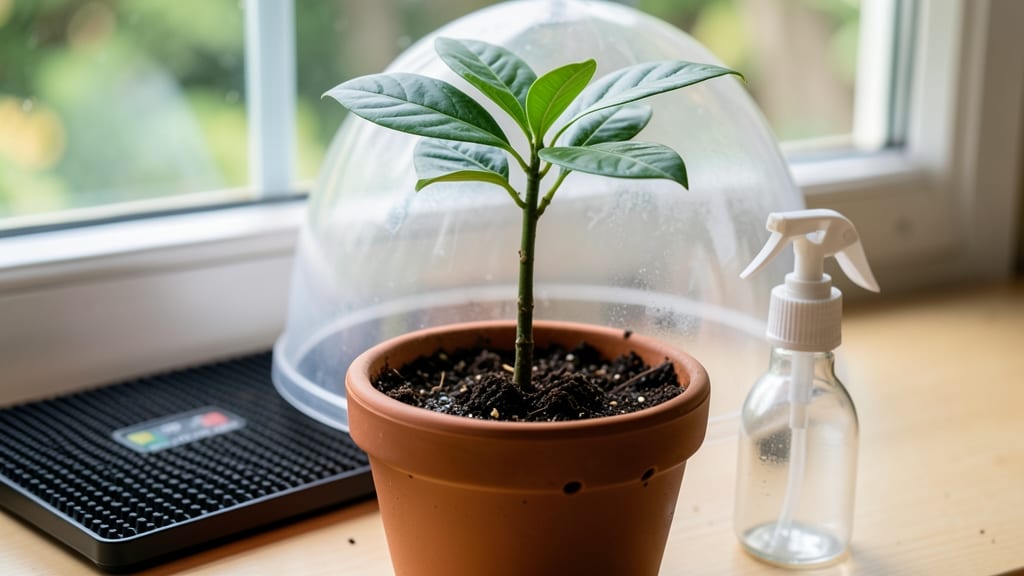
Growing a mango tree from seed in NYC isn’t just possible—it’s a thrilling challenge that turns your apartment into a tropical escape. 🌱 I’ve watched my own mango seedling grow from a stubborn sprout into a 4-foot indoor tree with glossy leaves, all while surviving our brutal winters.
The key isn’t just patience; it’s knowing when to bring it in, how to mimic its natural climate, and which varieties actually tolerate our swings from 90°F summers to freezing winters.
The biggest hurdle? Cold snaps. Most mango seeds need warmth year-round, so I keep mine near a south-facing window in winter (or under grow lights) and move it outside only after the last frost—usually late May.
You’ll need a 10-15 gallon pot with drainage, a well-draining soil mix, and a way to protect it from drafts. The payoff? A tree that can eventually produce fruit indoors with enough light and care—though it’ll take 5-7 years to bloom.
By summer, your mango seedling will stretch toward the sun, developing that signature tropical vibe. Prune it regularly to encourage bushier growth, and watch for the first signs of flowers—tiny yellow buds that signal it’s maturing.
Even if it never fruits in NYC’s climate, the journey is worth it: a living piece of the tropics thriving on your windowsill. The real magic happens when you see those first leaves unfurl in spring, proof that tropical dreams can grow here.
For those who want to push further, dwarf varieties like ‘Cogshall’ or ‘Ice Cream’ are your best bet—they handle indoor life better than full-size trees. And if you’re feeling ambitious, try grafting a fruiting branch onto your seedling later (yes, it’s advanced, but NYC gardeners don’t do things halfway).
The secret? Treating your mango like the delicate tropical it is—without letting NYC’s climate break its spirit.
📚 In This Guide
- What you need
- Instructions
- Tips and common mistakes
- Wrapping up and next steps
What you need
- ● Mango seed: 1 fresh, viable seed (from a ripe, organic mango—ask your local NYC market or grocery store like Trader Joe’s or Whole Foods for the best options). Pro tip: 💡 Save seeds from heirloom or non-hybrid mangos for the best germination rates!
- ○ Biodegradable seed-starting pots or paper towels: 1-2 (4" diameter pots work well for initial growth). Optional: Small plastic containers with drainage holes.
- ● Potting soil: 1 bag (2-3 quarts) of high-quality, well-draining seed-starting mix (avoid garden soil—it’s too dense!). Look for brands like FoxFarm or Espoma.
- ○ Clear plastic wrap or humidity dome: 1 sheet (to create a mini greenhouse effect). Optional: A spray bottle for misting.
- ● Small tray or saucer: 1 (to catch excess water and maintain moisture).
- ● Scissors or sharp knife: 1 (for slicing the seed open, if needed).
- ● Measuring cup: 1 (for precise watering—mango seeds hate soggy soil!).
- ● Spray bottle: 1 (for gentle misting).
- ● Grow lights or sunny windowsill: Access to bright, indirect light (6+ hours/day). NYC tip: 🌡️ South-facing windows or a LED grow light (like Sprout Pro) works best in winter!
- ○ Thermometer (optional): 1 (to monitor soil temp—ideal range: 75-85°F for germination).
- ● Patience: Germination can take 4-8 weeks—mango seeds are slow starters! ☕
- ● NYC housing rules: Check if your building allows indoor gardening (some co-ops restrict large plants). Pro tip: ✨ Start seeds in a basement or closet if natural light is limited!
- ● Outdoor space (future step): A large container (5+ gallons) or NYC community garden plot for transplanting (mango trees need full sun and warmth—they’re tropical, after all!).
- ● Fertilizer: Balanced liquid fertilizer (like Fish Emulsion 5-5-5) for when your seedling is ready to repot (after ~3 months).
Step-by-Step instructions for growing mango trees from seed in NYC
You can grow a mango tree from seed right in your NYC apartment—here's how to turn that grocery store pit into a thriving plant.
🌱 Step 1: Prepare the Mango Seed for Germination
Start with a fresh mango pit—older seeds germinate poorly. Rinse off any fruit residue, then gently scrape away the outer fibrous layer with a knife to expose the hard shell. This step is crucial because the seed needs moisture to soften before sprouting.
Place the cleaned seed between two damp paper towels, then fold the towels so the seed is snugly wrapped. Store in a sealed plastic bag and keep it in a warm spot—around 75-80°F. Check daily and mist with water if the towels dry out. Germination can take 2-4 weeks, so patience is key.
💧 Step 2: Plant the Germinated Seed
Once you see a 1-inch sprout emerging from the seed, it's time to plant. Fill a 4-inch pot with well-draining potting mix (equal parts peat moss, perlite, and coconut coir). Make a small hole about 1 inch deep and place the seed with the sprout facing upward.
Cover lightly with soil, leaving the sprout exposed. Water gently until the soil is moist but not soggy. Place the pot in bright, indirect light—direct sun at this stage can scorch the delicate seedling. Keep the soil consistently moist, but avoid waterlogging, which can cause root rot.
☀️ Step 3: Transition to Stronger Light and Larger Pot
After 4-6 weeks, when the seedling reaches 6 inches tall with a few true leaves, it's ready for a bigger pot. Move it to a 6-inch container with fresh potting mix. This is also the time to introduce it to more light—place it near a south-facing window where it gets 4-6 hours of indirect sunlight daily.
If your NYC apartment lacks natural light, supplement with a grow light for 12-14 hours per day. Watch for leggy growth—a sign the plant is stretching for light. Rotate the pot weekly so the seedling grows straight and sturdy. Fertilize lightly with a diluted houseplant fertilizer every 4 weeks.
🪴 Step 4: Maintain Year-Round Growth in NYC Conditions
Mango trees thrive in warmth, so keep your seedling in a spot where temperatures stay above 60°F. If your apartment gets chilly, use a small space heater near the plant during winter months. Water when the top 1 inch of soil feels dry, but avoid overwatering—mango trees are drought-tolerant once established.
By 1 year old, your mango tree will need pruning to encourage a bushier shape. Trim leggy branches just above a leaf node, and remove any dead or yellowing leaves. If you're lucky, you might even see small flowers—but fruit production from seed-grown trees can take 5-10 years. Enjoy the journey of nurturing this tropical beauty indoors!
Tips & tricks for growing mango trees from seed in NYC
Here's what I learned the hard way after trying this in my tiny Brooklyn apartment—these tricks make all the difference for urban mango growers.
Germination Speed Boost: To encourage faster germination in Step 1, soak the cleaned seed in warm water for 24 hours before wrapping it in damp paper towels. This pre-hydration mimics tropical rainfall and can cut your 2-4 week wait by nearly half. Just make sure the seed stays moist but not soggy during this soaking phase.
Lighting Hacks for Small Spaces: NYC apartments often lack natural light, so I recommend using a simple LED grow light on a timer for those 12-14 hours per day in Step 3. Place it about 6 inches above the plant and adjust height as the seedling grows. I've found that even a basic 10-watt bulb works wonders—just position it so the light covers the entire plant evenly. Rotate the pot daily to prevent leaning.
Soil Mix Secrets: The 4-inch pot in Step 2 needs that well-draining mix for a reason—mango trees hate soggy roots. I like to add a handful of perlite to the mix to improve aeration. For the 6-inch upgrade in Step 3, consider adding a small layer of gravel at the bottom of the pot to prevent water from pooling at the roots. This mimics the natural drainage of tropical soil.
Winter Survival Strategy: When temperatures dip below 60°F in Step 4, move your mango tree to the warmest spot in your home—often near kitchen appliances or south-facing windows. I've had success placing mine on top of the refrigerator during cold months. If you notice yellowing leaves, this usually indicates cold stress rather than overwatering, so adjust the location rather than the watering schedule.
Pro Tips for Mango Seed Nyc
- Here's what I learned the hard way after trying this in my tiny Brooklyn apartment—these tricks make all the difference for urban mango growers.
- Germination Speed Boost: To encourage faster germination in Step 1, soak the cleaned seed in warm water for 24 hours before wrapping it in damp paper towels.
- Lighting Hacks for Small Spaces: NYC apartments often lack natural light, so I recommend using a simple LED grow light on a timer for those 12-14 hours per day in Step 3.
Frequently asked questions
Got questions about growing mango seeds in NYC? You’re not alone—urban gardening comes with its own set of challenges! Below, we’ve rounded up the most common queries from NYC growers, from germination tricks to troubleshooting common pitfalls. Let’s dive in!
How long does it take for a mango seed to sprout in NYC’s climate?
A mango seed typically takes 4–8 weeks to sprout indoors, depending on warmth and moisture. In NYC’s cooler months (fall/winter), use a seedling heat mat (70–85°F) to speed things up. Once sprouted, seedlings are sensitive to cold—keep them indoors until spring before transplanting outdoors (after last frost, ~May). Patience is key!
Can I grow a mango tree successfully in NYC’s urban environment?
Yes, but with caveats! Mango trees thrive in USDA Zones 10–11, so NYC’s cold winters (Zone 7) limit outdoor growth. Your best bets:
- Indoor pot culture: Grow as a dwarf variety (e.g., ‘Cogshall’) in a large container near a sunny window or grow light.
- Seasonal transplanting: Move potted trees outdoors in summer (June–September) and bring them inside before temps drop below 50°F.
- Greenhouse/co-op spaces: NYC’s community gardens or greenhouses (like GreenThumb) can extend the growing season.
What do I do if my mango seedling gets mold or fungus?
Mold or fungus (like powdery mildew) often strikes due to overwatering or poor airflow. Here’s how to fix it:
- Prune affected leaves immediately to stop spread.
- Improve airflow: Space seedlings 6+ inches apart and use a small fan on low.
- Natural remedy: Spray with a 1:10 water-vinegar solution or neem oil (follow label instructions).
- Avoid: Overwatering—let the top inch of soil dry out between waterings.
Will my homegrown mango tree actually produce fruit in NYC?
It’s possible, but challenging! Mango trees need:
- Full sun (6+ hours/day)—NYC’s skyscrapers cast long shadows, so south-facing windows or greenhouses are ideal.
- Warmth: Trees need consistent temps above 60°F to flower/fruit. Indoor grow lights + heat mats help.
- Patience: Dwarf varieties may take 3–5 years to bear fruit, while standard trees can take a decade.
Where can I buy mango seeds or saplings in NYC?
NYC has hidden gems for tropical seeds and saplings:
- Local nurseries: Planting Fields Arboretum (Long Island) or The Greenhouse (Brooklyn) sometimes carry tropical varieties.
- Online: Etsy (search “mango seed”) or Fast-Growing-Trees.com for dwarf saplings.
- DIY: Save seeds from organic mangoes (avoid store-bought—often treated to prevent sprouting). Rinse, dry, and plant!
- NYC farmers’ markets: Ask vendors at Union Square Greenmarket for seed sources.
Wrapping up and next steps
Growing mango seeds in NYC isn’t just possible—it’s a rewarding way to bring tropical vibes to your urban space! 🌱 With patience, the right tools, and a dash of creativity, you can nurture a thriving mango tree from seed.
Whether you’re a green thumb or a curious beginner, this journey teaches resilience and connection to nature.
Ready to take the next step? Start small—plant that seed today and watch your urban oasis grow! Share your progress with fellow NYC gardeners or explore local workshops to deepen your skills. Your future mango harvest awaits! 🍈✨