
Lawn
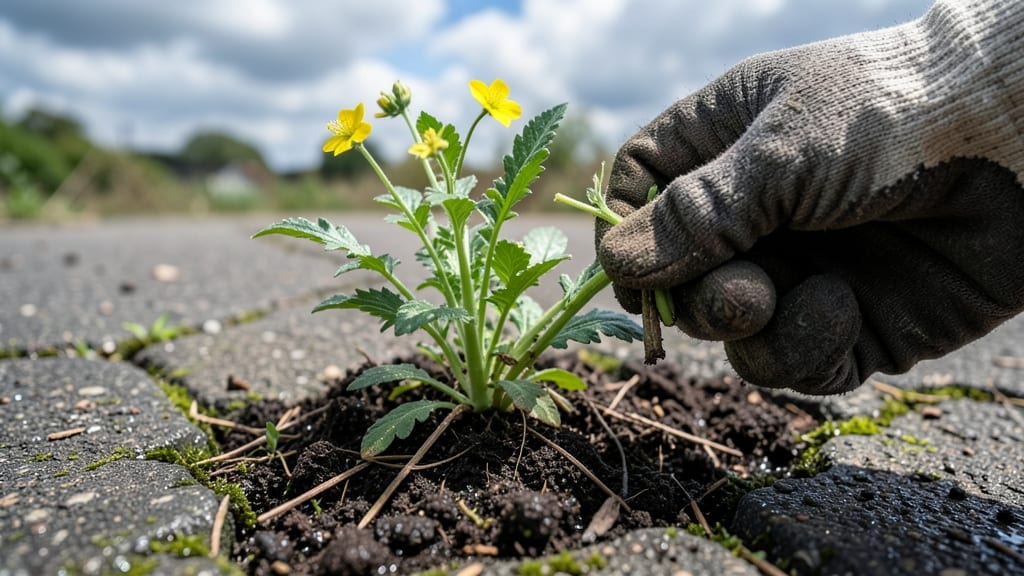
That clingy, stubborn weed with seeds that stick to everything is your lawn’s worst enemy. 🌱 I’ve wrestled with sticky seed weeds for years, and I’ll show you how to banish them without losing your sanity—or your lawn.
These weeds (like spurge or lambsquarters) spread fast, thanks to their velcro-like seeds that hitch rides on clothes, pets, and tools. The key to stopping them? Pulling them early, before seeds form, and smothering bare soil where they love to sprout.
A quick gloved yank beats waiting for them to take over. You’ll end up with a cleaner lawn, fewer sticky surprises on your shoes, and a yard that stays weed-free with minimal effort. The secret is timing—act now, before those seeds get a chance to spread.
Works for any lawn type, from shady patches to sunny spots. Let’s get those weeds out for good!
📚 In This Guide
- What you need
- Instructions
- Tips and common mistakes
- Wrapping up and next steps
What you need
- ● Garden gloves – A pair of nitrile-coated or heavy-duty leather gloves (2-3 pairs for comfort).
- ● Hand weeder or dandelion digger – A sturdy, stainless-steel tool with a serrated edge (1-2 units).
- ● Lawn rake – A bendable-tine rake with wide teeth (1 unit).
- ● Pruning shears – Sharp, bypass-style shears for stubborn roots (1 pair).
- ○ Organic weed killer (optional but helpful) – A vinegar-based or citric acid spray (1 gallon).
- ● Compost or mulch – Shredded bark or grass clippings (5-10 gallons, depending on lawn size).
- ● Knee pads – For comfort during long sessions (1-2 pairs).
- ○ Watering can or hose – For post-removal hydration (optional but recommended).
- ● Trash bags – Heavy-duty 13-gallon bags for debris (2-3 bags).
- ● Sun hat & sunscreen – Because no one wants a sunburn mid-weeding! 🌞
How to remove sticky seed weed without damaging your lawn
Here's the straightforward method I use every spring—no harsh chemicals, no struggling with stubborn roots.
🌱 Step 1: Identify and Wait for the Right Time
Sticky seed weed (or hairy bittercress) thrives in early spring when lawns are still cool. Look for its distinctive small white flowers that turn into sticky seed pods—those pods are the real problem. The best time to tackle it is when the pods are just starting to form but haven't burst yet. This usually happens 4-6 weeks after the first frost, when temperatures stay above 50°F during the day.
Here's the thing—don't pull it when the ground is wet. The roots will snap off, leaving the weed to regrow from the broken stem. Wait for a dry morning after an overnight dew has evaporated. You'll know it's the right time when the grass feels springy underfoot and the weed stems stand upright without bending.
✂️ Step 2: Pull by Hand at the Base
Grab the weed as close to the base as possible—this is where the root system is strongest. I like to use a pair of gardening gloves (the sticky sap is no joke) and pull firmly upward while twisting slightly. The goal is to remove the entire root system in one go. If you leave even a small piece behind, it'll regrow within a week.
Work in small sections—about 3 feet by 3 feet at a time—and focus on the weeds first. You'll notice the sticky seed pods are lighter in color than the rest of the plant, so they're easy to spot. Don't worry about getting every last bit of root out immediately; just prioritize the main stems. The rest will weaken over time.
💧 Step 3: Prevent Regrowth with Cornmeal
Once you've removed the visible weeds, spread a thin layer of food-grade cornmeal over the area where they were growing. Cornmeal contains natural fungicides that prevent new weeds from sprouting. Use about ½ cup per 10 square feet—just enough to lightly dust the soil surface. Water it in gently with a hose to help it settle.
This step is crucial because sticky seed weed spreads like crazy through those sticky pods. The cornmeal won't kill existing weeds, but it'll stop new ones from taking hold. Reapply every 4-6 weeks during the growing season, especially after rain or heavy watering. You'll see fewer new weeds popping up within a few days of application.
☀️ Step 4: Maintain a Healthy Lawn
A thick, healthy lawn is your best defense against sticky seed weed. Mow your lawn to a height of 3-4 inches to shade out weed seeds and encourage grass growth. Water deeply 1-2 times per week (early morning is best) to promote strong root development. You'll notice the grass grows faster and fills in bare spots where weeds used to thrive.
In late summer, apply a slow-release nitrogen fertilizer to give your lawn a boost. This helps the grass outcompete any remaining weed seeds. If you see new sticky seed weed popping up later in the season, pull those individually before they set seed. Consistency is key—don't let a few weeds go to seed, or you'll be fighting a bigger battle next spring.
Tips & tricks for perfect sticky seed weed removal
These simple strategies will help you tackle sticky seed weed without the usual frustration.
Timing is Everything: The 4-6 week window after the first frost is critical—this is when the weed's energy shifts from root growth to seed production. If you wait until the pods burst, you'll be fighting thousands of new seedlings instead of just a few plants. I always check for those tiny white flowers as my signal to start pulling, because once the pods turn yellow and sticky, it's too late to stop the spread.
Gloves Are Non-Negotiable: That sticky sap isn't just annoying—it's a signal that the plant is actively defending itself. I've learned the hard way that skipping gloves means sticky fingers for hours. Regular gardening gloves work, but I prefer rubber-coated ones because they're easier to clean. And for heaven's sake, don't touch your eyes after handling this stuff—the sap can cause irritation.
Cornmeal Application Hack: When you're spreading that ½ cup per 10 square feet of cornmeal, don't just dump it randomly. Use a push broom or leaf rake to distribute it evenly—this prevents clumping which could create bare spots where weeds might sneak through. I also like to apply it after a light watering when the soil is just damp, because the cornmeal sticks better and works more effectively.
Lawn Maintenance Payoff: The 3-4 inch mowing height might feel high, but it's the secret weapon against sticky seed weed. Taller grass shades out weed seeds and develops deeper roots that outcompete weeds for nutrients. I've seen lawns go from patchy and weed-infested to lush green just by sticking to this height and watering consistently. The key is patience—it takes about 3 weeks for the grass to fill in noticeably after you start this routine.
Pro Tips for Sticky Seed Weed
- These simple strategies will help you tackle sticky seed weed without the usual frustration.
- Timing is Everything: The 4-6 week window after the first frost is critical—this is when the weed's energy shifts from root growth to seed production.
- Gloves Are Non-Negotiable: That sticky sap isn't just annoying—it's a signal that the plant is actively defending itself.
Frequently asked questions
Got questions about sticky seed weed?
You’re not alone—this pesky plant can be tricky to tackle! Below are the most common concerns homeowners have, along with straightforward answers to help you reclaim your lawn without the hassle.
What exactly is sticky seed weed, and why does it keep coming back?
Sticky seed weed (also called Galinsoga or "quickweed") is an annual plant with small, white daisy-like flowers that release thousands of tiny, sticky seeds. These seeds hitchhike on clothing, pets, and even lawn equipment, making it spread effortlessly. Its rapid growth (up to 3 feet tall!) and prolific seeding mean it’s a persistent nuisance if not controlled early.
When is the best time to remove sticky seed weed from my lawn?
The golden window is spring or early summer when the plant is young and hasn’t yet released seeds. Pulling weeds by hand (roots and all) or spot-treating with vinegar or pre-emergent herbicide before seeds sprout can prevent regrowth. If you’re dealing with a mature patch, focus on removing flower heads first to stop seed production.
What’s the most effective way to get rid of it without harming my grass?
Start with manual removal: Use a weeding tool or gloved hands to pull weeds before they flower. For stubborn patches, a vinegar-based herbicide (20-30% acetic acid) works well—just avoid spraying on sunny days to prevent grass burn. For prevention, improve lawn health with regular mowing, overseeding, and proper watering to outcompete weeds naturally.
Will sticky seed weed grow back if I just cut it down?
Yes! Cutting the plant above the seed heads won’t kill it—it’ll just regrow and produce more seeds. To stop it for good, pull the entire plant (roots included) or use a targeted herbicide. If you’re dealing with a large area, consider smothering it with cardboard or mulch for a few weeks to block sunlight and prevent regrowth.
How can I prevent sticky seed weed from spreading to other parts of my yard or garden?
Prevention is key! Here’s how to break the cycle:
- Clean tools and shoes after working in infested areas to avoid spreading seeds.
- Remove weeds before they flower—this stops seed production.
- Improve soil health with compost or fertilizer to make your lawn less inviting to weeds.
- Mulch garden beds to block sunlight and suppress weed growth.
For stubborn cases, consider pre-emergent herbicides in early spring to prevent seeds from germinating.
Wrapping up and next steps
Removing sticky seed weed from your lawn doesn’t have to be a battle—just a strategic, eco-friendly effort! With the right tools, timing, and techniques, you can reclaim a lush, weed-free yard without harsh chemicals. Remember, consistency is key, and patience pays off.
Ready to take action? Start small: tackle one section at a time, and soon, your lawn will be the envy of the neighborhood. You’ve got this! 🌱
- 📅 Schedule a weekly check to monitor progress and reapply treatments as needed.
- 🌿 Consider preventative measures like overseeding or mulching to keep weeds at bay long-term.