
Lawn
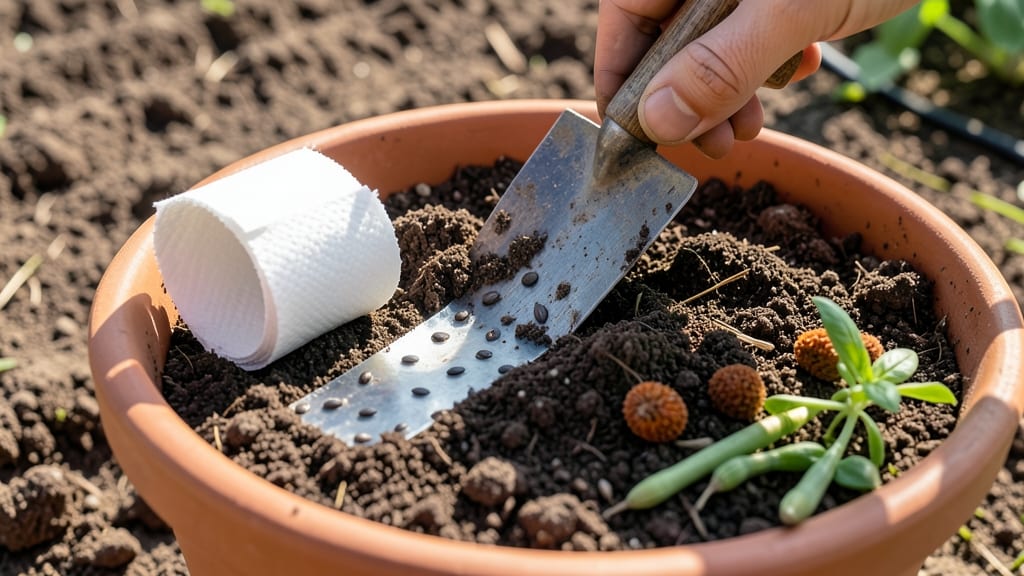
Making seed tape from toilet paper turns your wildflower dreams into a twist-free, perfectly spaced lawn in minutes. ✨ The trick is using recycled toilet paper as biodegradable backing, then gluing seeds in neat rows—no more dropping seeds or guessing spacing.
I tried this last spring and ended up with a meadow that bloomed like a pro's design, not a beginner's mess.
You'll need toilet paper rolls, flour-and-water paste (or biodegradable glue), wildflower seeds, and a flat surface to dry. The paste is the secret weapon—it holds seeds firmly but dissolves when planted.
My first attempt used too much glue and clogged the dispenser, so I switched to a thin, runny mix that worked perfectly. Spread seeds in rows about 1/4 inch apart, then roll the toilet paper over them.
Once dry, you'll have seed tape that unspools like a ribbon, letting you plant wildflowers in perfect lines. No bending to scatter seeds, no worrying about overcrowding—just roll it out and cover with soil.
By midsummer, you'll have a pollinator paradise where every bloom feels intentional. The best part? Even kids can help without making a muddy mess.
Works for any wildflower mix or even veggies like beans. For best results, plant in early spring or fall when soil is cool and moist. Store the tape in a cool, dry place until ready to use—it keeps for months.
Now go turn that patch of dirt into a thriving meadow without the fuss.
📚 In This Guide
- What you need
- Instructions
- Tips and common mistakes
- Wrapping up and next steps
What you need
- ● Toilet paper rolls – 2–4 empty, clean rolls (the more, the merrier for larger areas!)
- ● Wildflower seeds – 1–2 lbs (or ~500–1,000 seeds, depending on variety). Choose fast-growing, native wildflowers for best results.
- ● Flour or cornstarch – ½ cup (as a natural adhesive to bind seeds to the paper).
- ● Water – Small bowl or spray bottle for mixing.
- ● Scissors or craft knife – For cutting toilet paper into strips.
- ● Ruler or measuring tape – To ensure even seed spacing (~1–2 inches apart).
- ○ Garden gloves (optional but recommended) – To keep hands clean while handling seeds.
- ● Paintbrush or old toothbrush – For applying the seed-flour mixture.
- ● Newspaper or parchment paper – To protect your workspace.
- ○ Hair dryer (low heat, optional) – Speeds up drying time if you’re impatient like us!
- ● Prepped soil – Loose, weed-free, and lightly raked. Wildflowers thrive in sunny spots with minimal competition.
- ● Watering can or hose with gentle spray – For post-planting hydration.
- ○ Mulch or straw (optional) – Helps retain moisture and protect seedlings.
Step-by-Step instructions for creating seed tape from toilet paper
Here's how to transform a simple roll into a twist-free planting system for wildflowers!
🌱 Step 1: Cut and Prepare the Toilet Paper Roll
Start with a fresh, unused roll of toilet paper—no scented or textured varieties, as they may contain additives that could deter germination. Carefully slice the roll lengthwise into 4 equal strips using a sharp knife or scissors. You'll end up with four long, flat strips about 1 inch wide each.
Lay each strip flat on a clean surface and gently unroll it completely. This creates a 12-foot-long strip for each piece. I like to work with one strip at a time to avoid tangling. If you're making multiple seed tapes, keep them separated by clipping a small corner of each strip with a paperclip to track which is which.
🌿 Step 2: Apply Seed Spacing and Adhesive
Measure and mark 6-inch intervals along the strip using a ruler or measuring tape. At each mark, place a single wildflower seed directly in the center. For a twist-free lawn, I recommend using a mix of fast-growing annuals like cosmos and marigolds alongside slower-growing perennials like black-eyed Susans. This ensures quick ground cover while building long-term beauty.
To secure the seeds, apply a dab of white glue or flour paste (mix 1 part flour with 2 parts water) around each seed. This acts as a natural adhesive that holds the seed in place while allowing water to penetrate. Press gently to ensure the seed sticks firmly but doesn't get buried under glue. Let the glue dry completely before handling the strip further.
💧 Step 3: Roll and Store Until Planting
Once the glue is dry, carefully roll the seed tape back into a neat coil, starting from one end and rolling toward the other. This creates a compact, easy-to-handle unit that unfurls smoothly when planted. Store the rolled seed tapes in a cool, dry place away from direct sunlight until you're ready to plant. I keep mine in a small cardboard box lined with tissue paper to prevent any potential sticking.
For best results, plant your seed tapes within 2-3 weeks of making them. Over time, the adhesive may lose its grip, and seeds could fall out. If storing longer, place the rolled tapes in a sealed plastic bag with a few silica gel packets to absorb moisture and prevent mold.
☀️ Step 4: Planting Your Twist-Free Wildflower Lawn
When you're ready to plant, lay the seed tape directly onto the prepared soil. For a wildflower lawn, space the tapes 12-18 inches apart in rows, depending on the mature size of your flower varieties. Gently press the tape into the soil to ensure good seed-to-soil contact. The tape's structure helps maintain even spacing, so you won't have to worry about overcrowding or gaps.
Water lightly but thoroughly after planting to settle the soil and activate the seeds. Avoid heavy watering, as it can dislodge the seeds from the tape. You'll see the first signs of germination within 7-14 days, depending on the seed types and weather conditions. Once sprouts appear, reduce watering slightly to encourage strong root development.
Tips & tricks for perfect seed tape from toilet paper
Transforming toilet paper into seed tape is easier than you think—here are the game-changing details that'll make your wildflower lawn a breeze!
Precision Cutting: Use a sharp utility knife or scissors to slice the toilet paper roll lengthwise—dull blades will crush the fibers and make strips uneven. I like to press down firmly along the marked lines for clean cuts. For extra precision, fold the roll in half before cutting to create a crease as a guide. This ensures your 4 equal strips, each 1 inch wide, will work perfectly for planting.
Seed Selection Strategy: In Step 2, I recommend pairing fast-growing annuals like cosmos and marigolds with perennials like black-eyed Susans. The annuals give you quick color while the perennials establish roots for long-term beauty. Pro tip: Pre-mix your seeds in a small bowl before placing them on the tape—this saves time and keeps your workspace organized. You'll need about 20 seeds per 12-foot strip when spaced every 6 inches.
Adhesive Alternatives: While white glue or flour paste works great, you can also use a tiny dab of honey or even diluted corn syrup as a natural adhesive. Just be sure to let it dry completely before rolling—this prevents seeds from shifting during storage. I've also had success with a light application of diluted school glue (the kind that dries clear), which holds seeds securely without leaving residue.
Storage Hack: To keep your rolled seed tapes organized and ready for planting, store them in a small cardboard box lined with tissue paper. Place each rolled tape in a separate compartment or label them with masking tape. This prevents tangling and makes it easy to grab just the right one when it's time to plant. If storing longer than 2-3 weeks, add a silica gel packet to absorb moisture and prevent mold.
Pro Tips for Seed Tape Toilet Paper
- Transforming toilet paper into seed tape is easier than you think—here are the game-changing details that'll make your wildflower lawn a breeze!
- Precision Cutting: Use a sharp utility knife or scissors to slice the toilet paper roll lengthwise—dull blades will crush the fibers and make strips uneven.
- Seed Selection Strategy: In Step 2, I recommend pairing fast-growing annuals like cosmos and marigolds with perennials like black-eyed Susans.
Frequently asked questions
Got questions about seed tape toilet paper?
You’re not alone! Here are some of the most common concerns—and straightforward answers—to help you get started with your twist-free wildflower lawn.
What exactly is seed tape toilet paper, and how does it work?
Seed tape toilet paper is a clever, pre-seeded paper roll designed to replace traditional toilet paper rolls. It’s embedded with wildflower or grass seeds, so when you unroll it, you’re sowing seeds directly into the soil—no scattering or measuring required! Just plant it like you would toilet paper, and watch your lawn grow in neat, twist-free rows.
How long does it take for the seeds to sprout and grow into a lawn?
The sprouting time depends on the seed type, but most wildflower or grass seed tape starts showing greenery in 7–14 days under ideal conditions (warm soil, consistent moisture, and sunlight). A full, lush lawn may take 4–8 weeks, depending on the variety. For faster results, opt for fast-growing seeds like clover or creeping thyme.
Do I need to water it differently than regular seed tape?
Yes! Since seed tape toilet paper is planted directly onto the soil, keep it consistently moist (not soggy) for the first 2–3 weeks to encourage germination. Water gently in the morning to avoid washing away seeds. After sprouting, reduce watering to 1–2 times per week unless your area experiences extreme heat or drought.
Can I use seed tape toilet paper for anything other than lawns?
This eco-friendly hack is perfect for garden borders, wildflower meadows, or even vertical gardens. You can also use it to fill gaps in potted plants or create a pollinator-friendly path. Just adjust the planting depth—deeper for lawns, shallower for delicate wildflowers—and let nature do the rest!
What if my seed tape won’t unroll or the seeds won’t stick?
If the tape resists unrolling, try soaking it in warm water for 5–10 minutes to soften the paper. For seeds that won’t stick, press them gently into the soil with your fingers or a small rake after unrolling. If the tape tears, no worries—just overlap the edges and continue planting. Pro tip: Roll it out on a damp cloth first to make handling easier!
Wrapping up and next steps
Transforming your lawn into a vibrant wildflower haven has never been easier—or more fun! With seed tape toilet paper, you’re not just saving time and effort; you’re embracing a sustainable, low-maintenance solution that brings beauty and biodiversity to your backyard. 🌸
Ready to take the next step? Start small—try a patch in a sunny corner—and watch your twist-free wildflower lawn bloom in no time! Grab your seed tape, roll up your sleeves, and let nature do the rest.